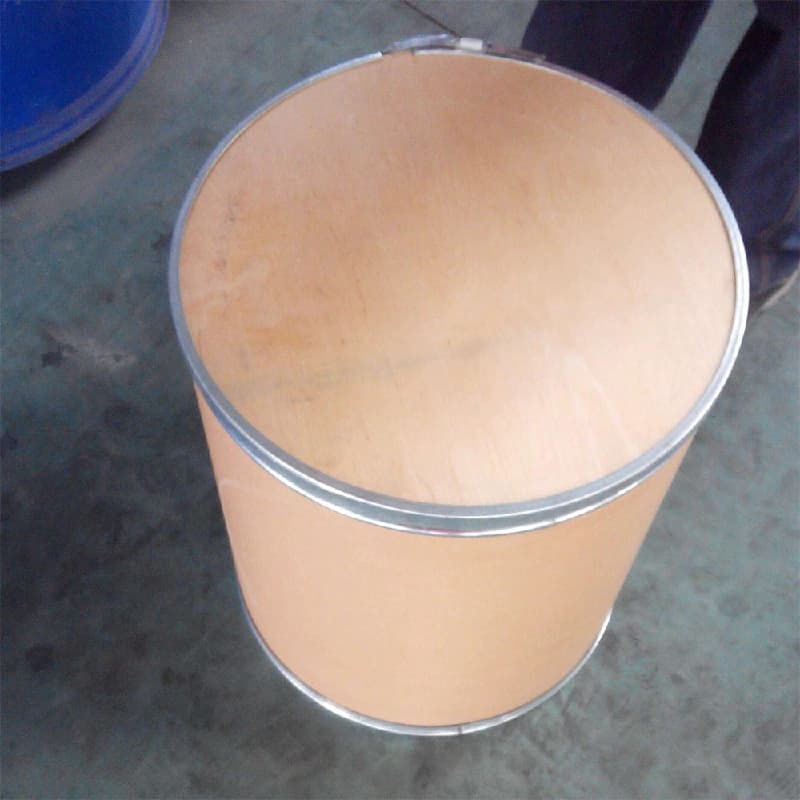
Gentamicin sulfate CAS#1405-41-0
Gentamicin sulfate CAS#1405-41-0
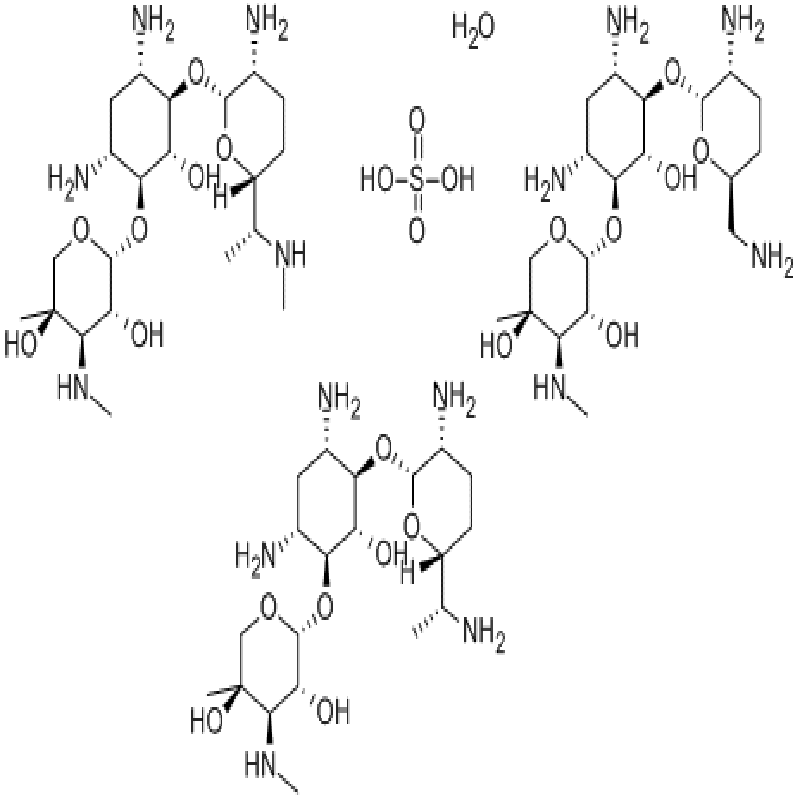
Gentamycin sulfate is a bactericidal glycoside antibiotic consisting of amino sugars and ligands. As the sulfate salt of gentamicin, it boasts an antibacterial spectrum comparable to that of kanamycin. Primarily, it is indicated for systemic or local infections induced by Gram-negative bacteria, including Escherichia coli, Shigella dysenteriae, Klebsiella pneumoniae, Proteus, and Pseudomonas aeruginosa. In ophthalmology, it is employed for treating conditions like conjunctivitis and keratitis. Orally administered, it can address intestinal infections or be used as a preoperative preparation for colon surgery; additionally, it may be combined with metronidazole or clindamycin to lower the infection risk associated with colon surgical procedures.
Gentamicin sulfate Chemical Parameters
Melting point | 218-237°C |
alpha | D25 +102° |
density | 1.000 g/cm3 |
storage temp. | 2-8°C |
solubility | H2O: 50 mg/mL As stock solution, store at −20°C. Stable at 37°C for 5 days. |
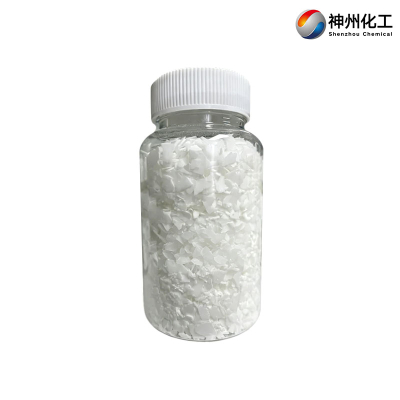
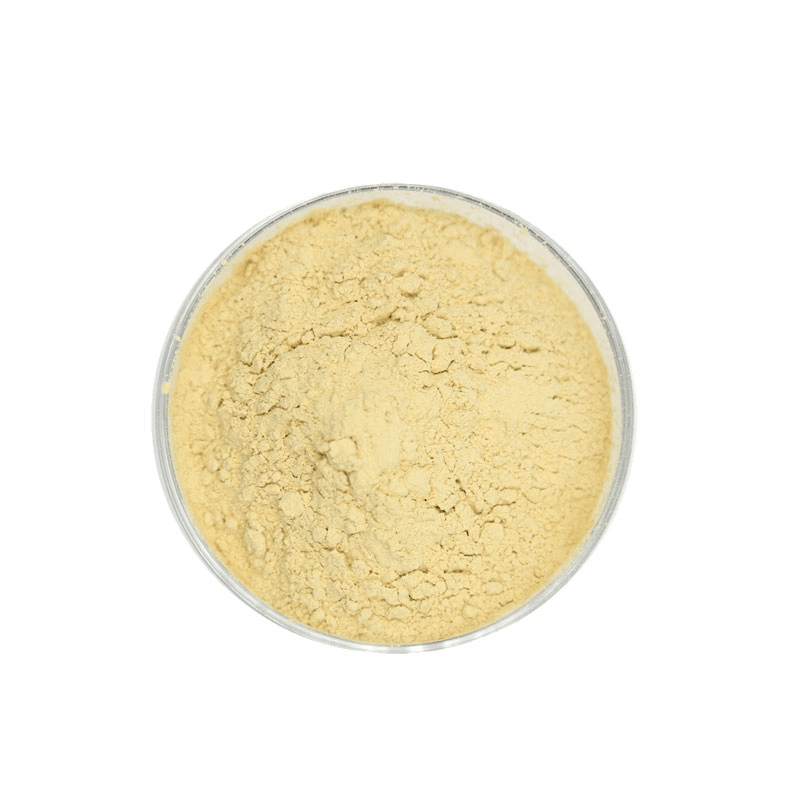
form | powder |
color | colorless to light yellow |
Odor | odorless |
PH | 4.0-5.5 (0.1g/mL in H2O) |
optical activity | [α]20/D +110±8°, c = 1% in H2O |
biological source | Micromonospora purpurea |
Water Solubility | Soluble in water |
Merck | 134403 |
InChIKey | RDEIXVOBVLKYNT-HDZPSJEVSA-N |
CAS DataBase Reference | 1405-41-0(CAS DataBase Reference) |
EPA Substance Registry System | Gentamicin sulfate (1405-41-0) |
Safety Information | |
Hazard Codes | Xn |
Risk Statements | 42/43 |
Safety Statements | 23-36/37-45-22-24/25 |
WGK Germany | 2 |
RTECS | LY2625000 |
F | 3 |
HS Code | 29419010 |
Toxicity | LD50 in mice (mg base/kg): 430 i.p.; 485 s.c.; 75 i.v.; >9050 orally (Black) |
Gentamicin sulfate CAS#1405-41-0 Application
Clinically, it is utilized for treating sepsis, respiratory tract infections, biliary tract infections, purulent peritonitis, intracranial infections, urinary tract infections, and bacillary dysentery. These conditions are caused by sensitive bacteria such as Staphylococcus aureus, Pseudomonas aeruginosa, Escherichia coli, Shigella dysenteriae, Klebsiella, and Proteus.Gentamicin exerts its effect by binding to the 30S ribosomal subunit, inducing code-reading errors and inhibiting the transfer of peptidyl-tRNA from the acceptor site to the donor site. For Pseudomonas, its bactericidal mechanism involves binding to the outer membrane component of the bacterial cell membrane, displacing native cations to destabilize the membrane and form pores on the cell surface. Its antibacterial spectrum encompasses Gram-negative bacteria, Staphylococcus, and other Gram-positive bacteria.Additionally, it is indicated for the treatment of conditions including sepsis, urinary tract infections, staphylococcal infections, and endocarditis.
Factory Show
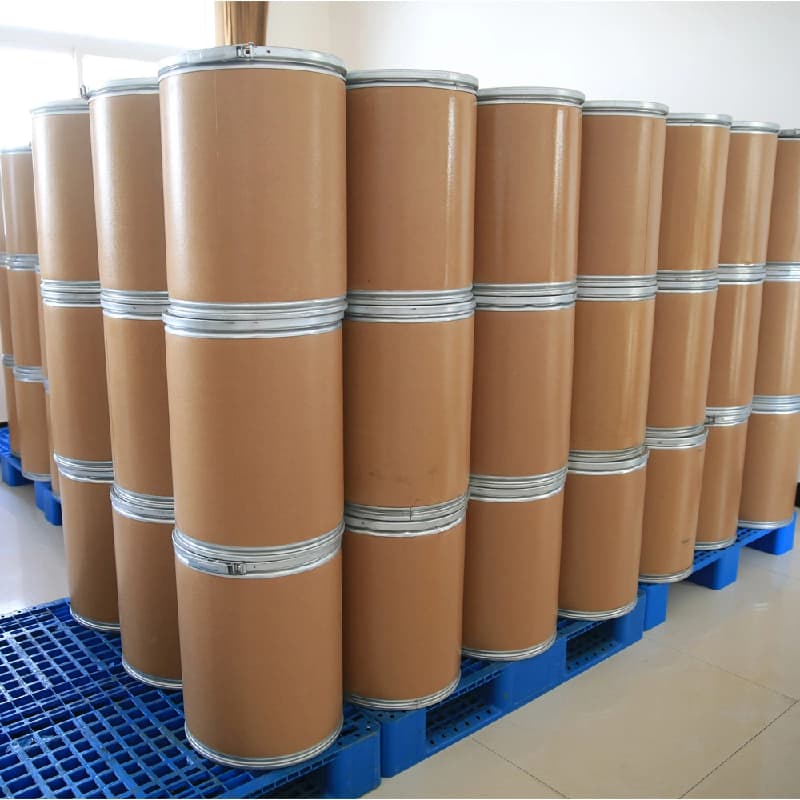
As an ISO-certified chemical exporter with 15 years of professional experience, we leverage leading production technology, advanced equipment, and a professional team to provide high-quality chemical raw materials to over 2,000 companies worldwide. Our products are widely used in pharmaceuticals, agriculture, food manufacturing, and industrial production, with business spanning six continents. We are committed to providing reliable supply chain support and solutions to customers across various industries.