4,4'-Diphenylmethane diisocyanate CAS#101-68-8
CAS Number: 101-68-8
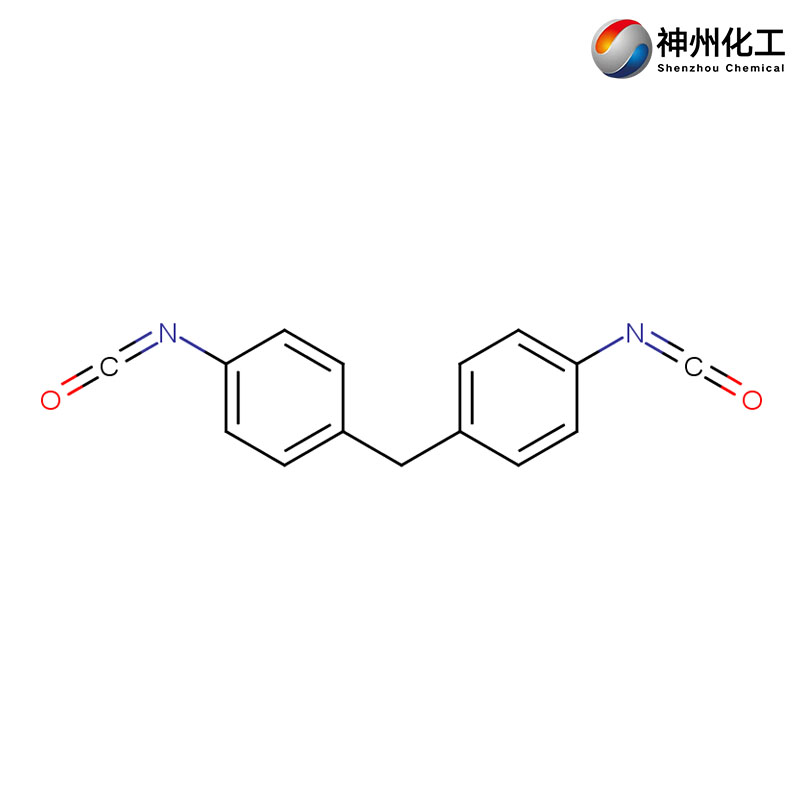
Chemical Formula: C15H10N2O2
Synonyms:
1,1’-methylenebis(4-isocyanato)-benzene;para
Para’-diphenylmethanediisocyanate;para
METHYLENEDIPHENYL 4,4'-DIISOCYANATE
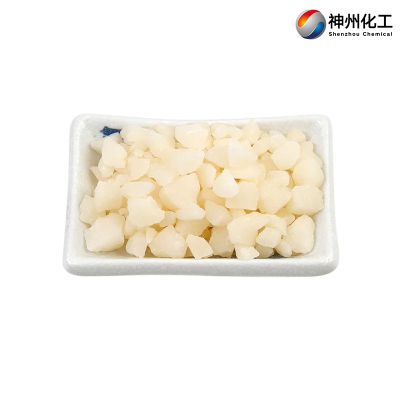
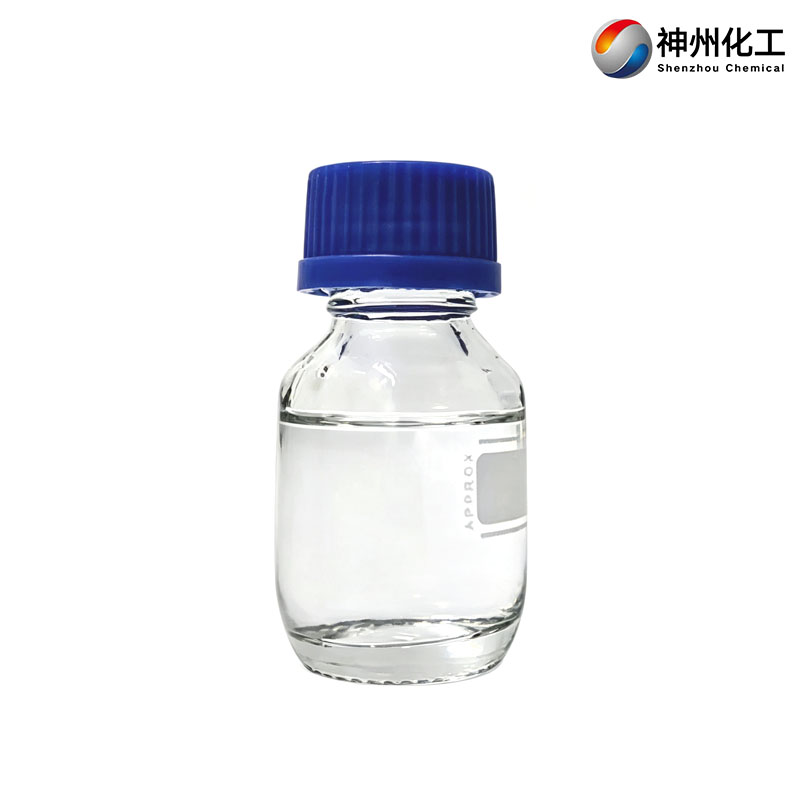
Appearance: Room temperature/ White to slightly yellow solid tablets or crystals
HS Code: 29291090
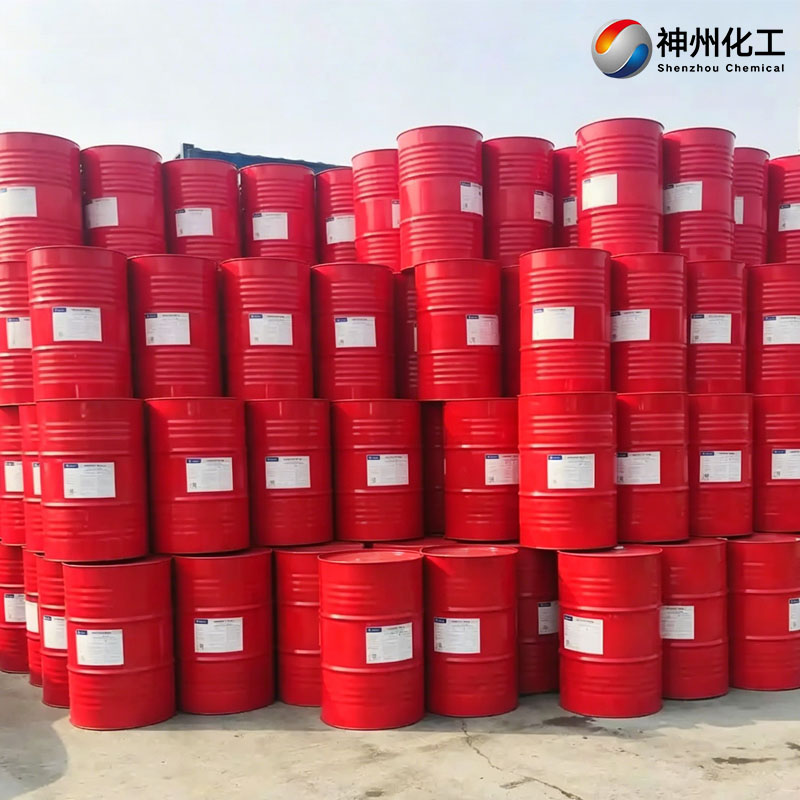
MOQ (Minimum Order Quantity): 1 FCL (Full Container Load)
Products Description of 4,4'-Diphenylmethane diisocyanate
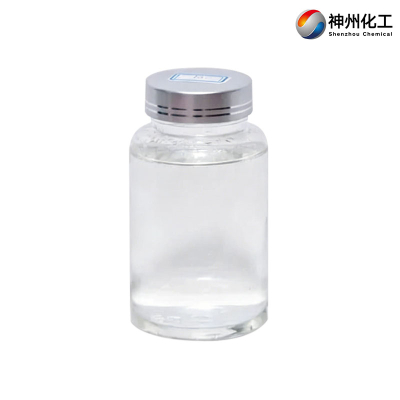
4,4'-Diphenylmethane diisocyanate (CAS# 101-68-8) is commonly referred to as pure MDI or MDI-100 in the industrial field. It is one of the most important and core raw materials for producing polyurethane (PU). At room temperature, it usually appears as white to slightly yellow solid flakes or crystals, and will turn into colorless to slightly yellow liquid after melting. It is a hazardous chemical. It contains isocyanate groups (-N=C=O), and will produce a pungent odor when heated; and it is sensitive to moisture, and will undergo decomposition reactions when exposed to water. Therefore, it usually needs to be stored in a cool, dry, and well-ventilated environment, and must be strictly protected against water and moisture.
Parameters
Melting point | 38-44 °C |
Boiling point | 392 °C |
density | 1.19 |
vapor pressure | 0.066 hPa (20 °C) |
refractive index | 1.5906 (estimate) |
Fp | 196 °C |
storage temp. | -20°C |
solubility | 2g/l (decomposition) |
form | solid |
color | White to slightly yellow |
Specific Gravity | 1.180 |
explose limit | 0.4%(V) |
Water Solubility | decomposes |
FreezingPoint | 37℃ |
Sensitive | Moisture Sensitive/Lachrymatory |
BRN | 797662 |
Exposure limits | TLV-TWA 0.051 mg/m3 (0.005 ppm) (ACGIH and NIOSH); ceiling (air) 0.204 mg/m3 (0.02 ppm)/10 min (NIOSH and OSHA); IDLH 102 mg/m3 (10 ppm). |
Dielectric constant | 10.0(Ambient) |
Stability: | Stable. Combustible. Incompatible with strong oxidizing agents. Reacts violently with alcohols. |
CAS DataBase Reference | 101-68-8(CAS DataBase Reference) |
NIST Chemistry Reference | Benzene, 1,1'-methylenebis[4-isocyanato-(101-68-8) |
IARC | 3 (Vol. 19, Sup 7, 71) 1999 |
EPA Substance Registry System | 4,4'-Methylenedi(phenyl isocyanate) (101-68-8) |
Safety Information
Hazard Codes | Xn,T,C |
Risk Statements | 42/43-36/37/38-20-48/20-40 |
Safety Statements | 45-36/37-23 |
RIDADR | 2206 |
OEB | D |
OEL | TWA: 0.05 mg/m3 (0.005 ppm), Ceiling: 0.2 mg/m3 (0.020 ppm) [10-minute] |
WGK Germany | 1 |
RTECS | NQ9350000 |
Autoignition Temperature | >600 °C |
Hazard Note | Toxic/Corrosive/Lachrymatory/Moisture Sensitive |
TSCA | Yes |
HazardClass | 6.1 |
PackingGroup | II |
HS Code | 29291090 |
Hazardous Substances Data | 101-68-8(Hazardous Substances Data) |
Toxicity | LD50 orally in Rabbit: > 5000 mg/kg LD50 dermal Rabbit > 9000 mg/kg |
IDLA | 75 mg/m3 |
Product Application of 4,4'-Diphenylmethane diisocyanate
MDI is a key component of synthetic polyurethane materials, and its downstream applications are extremely extensive:
Elastomers and microporous materials: used for manufacturing thermoplastic polyurethane elastomers, shoe soles, solid tires, car bumpers, interior components, etc.
Synthetic fibers: an important raw material for manufacturing synthetic fibers such as spandex.
Adhesives and coatings: used for producing high-performance polyurethane adhesives, sealants, artificial leather resins, and solvent-free coatings.
Foam plastics: used for manufacturing hard foam insulation materials and high-performance soft foam plastics.
Factory and Equipment Show

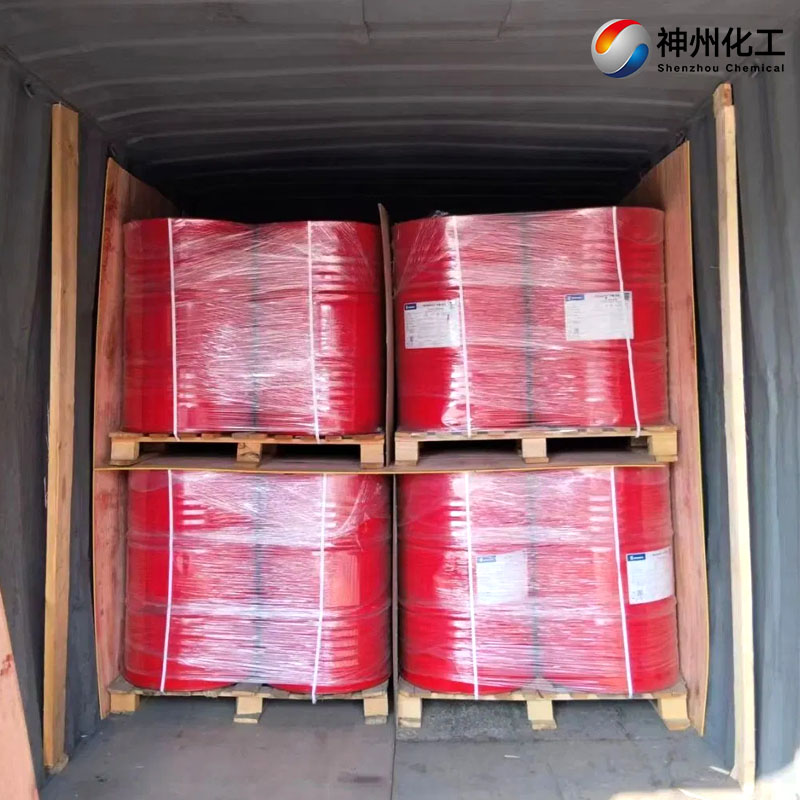
Fast delivery time
Inventory 2-3 working days New production 7-10 working days