The Key Role of Different Types of Chemical Additives in Production
Chemical additives are various substances used in chemical production processes to enhance product performance, improve production efficiency, adjust material properties, or optimize processing techniques. By influencing chemical reactions, physical properties, or processing procedures, these chemical additives help achieve objectives such as improving product quality, increasing production efficiency, and reducing production costs. Chemical additives are widely used in the production and processing of a variety of fields, including plastics, rubber, coatings, oils and fats, textiles, pharmaceuticals, and agriculture.
Chemical additives come in a wide variety of types and can be categorized into many groups based on their functions and applications. Common categories include plasticizers, vulcanizing agents, colorants, preservatives, light stabilizers, and surfactants. Each type of chemical additive has specific functions and application areas, playing an important role throughout the production and processing stages.
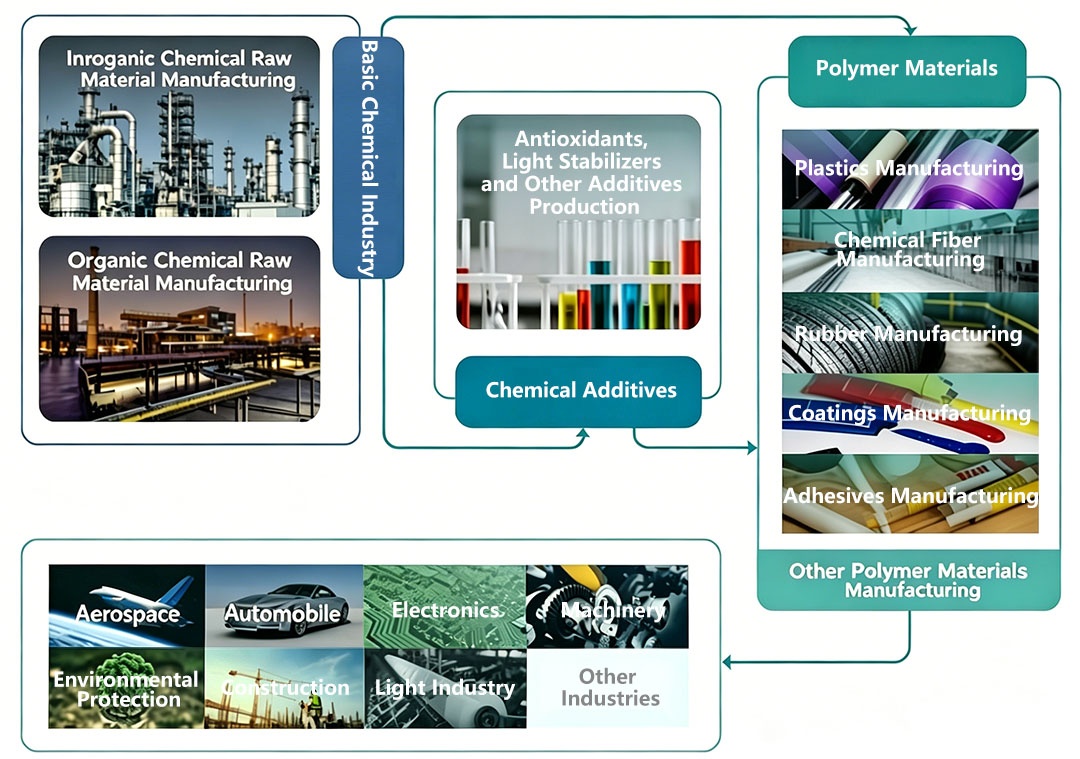
A classification method for chemical additives based on their functional roles:
Stabilizing additive
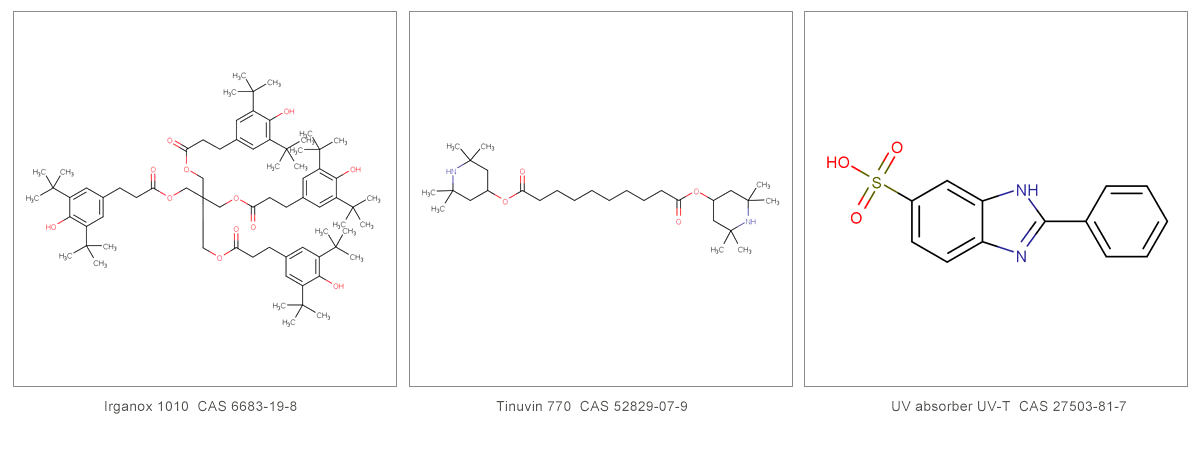
Stabilizing additives are primarily used to enhance the stability and durability of products. These additives are commonly referred to as anti-aging agents. They can extend the service life and shelf life of products by preventing the effects of factors such as chemical reactions, light exposure, oxidation, and thermal decomposition. Stabilizing additives are widely used in industries including plastics, rubber, coatings, oils and fats, and pigments. Common types of stabilizing additives include antioxidants, light stabilizers, heat stabilizers, antifungal agents, preservatives, and rust inhibitors.
Mechanical Property Improvement Additive
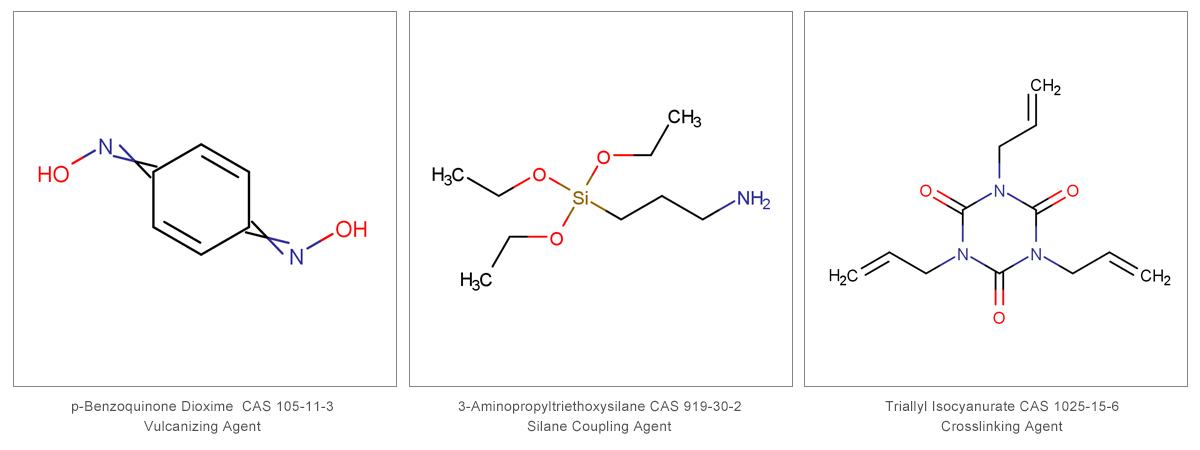
Additives for improving mechanical properties are primarily used to enhance the mechanical performance of materials, such as strength, toughness, and hardness. By adjusting the structure and properties of the material, these additives can improve its mechanical performance, making it better suited to specific application requirements. Common additives for enhancing mechanical properties include vulcanizing agents, vulcanization accelerators, anti-scorch agents, coupling agents, crosslinking agents, reinforcing agents, fillers, and impact modifiers.
Processing Aid for Improved Performance
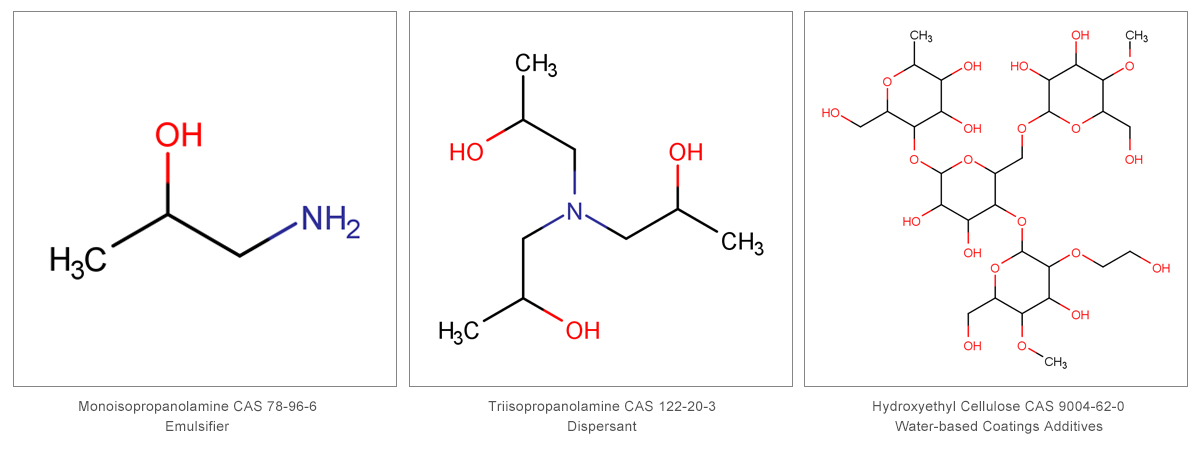
Processing aids are a class of chemical additives used to enhance the performance of materials during processing. They can improve properties such as material flowability, processability, and lubricity, making the materials easier to process and mold. Common processing aids include:Lubricating additive, mold release agent, plasticizer, softening agent, defoaming agent, leveling agent, adhesive, crosslinking agent, thickener, dye-promoting agent, anti-dyeing agent, emulsifier, dispersant, co-solventWait.
Softening and Lightweighting Additives
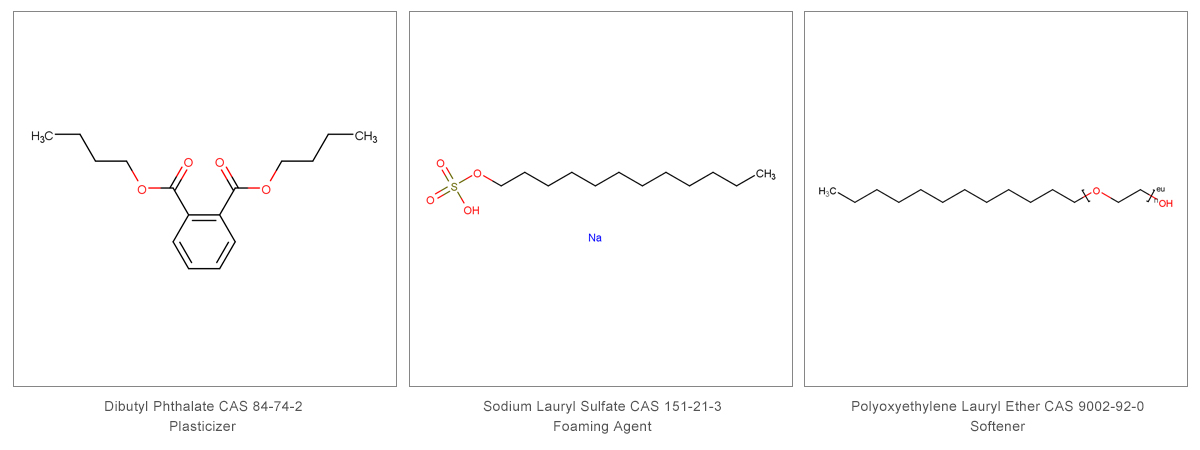
Softening and lightweighting additives are a class of chemical additives used to improve the softness of materials and reduce their density. Common softening and lightweighting additives include:Plasticizer, foaming agent, softenerWait.
Additives for improving surface performance and appearance
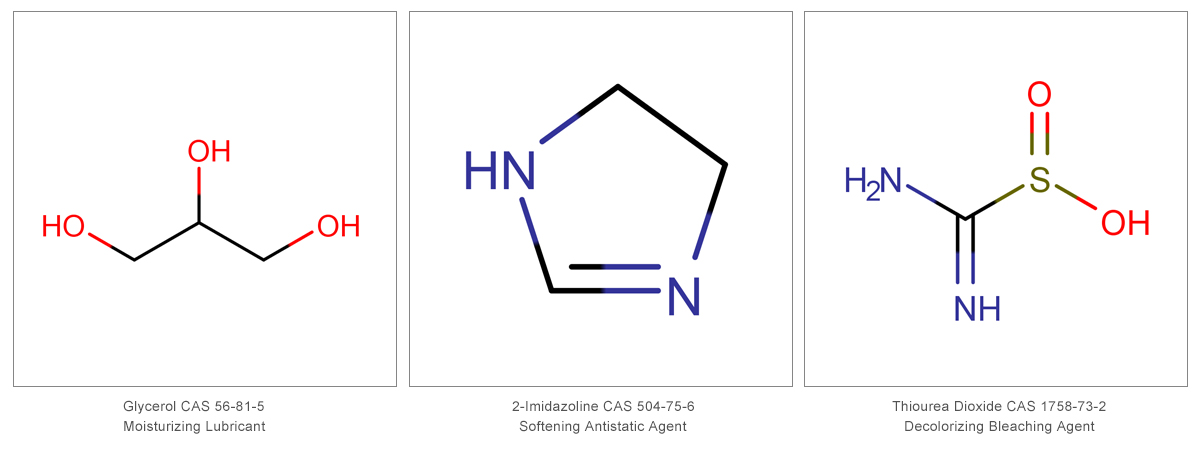
Additives that improve surface performance and appearance are a class of chemical additives used to enhance the surface properties and aesthetic appeal of materials. Common additives that improve surface performance and appearance include:Lubricant, antistatic agent, anti-fogging agent, colorant, color fixative, whitening agent, brightener, anti-sticking agent, slip agent, detergent, penetrant, bleach auxiliary, emulsifier, dispersantWait.
Flame-retardant additive
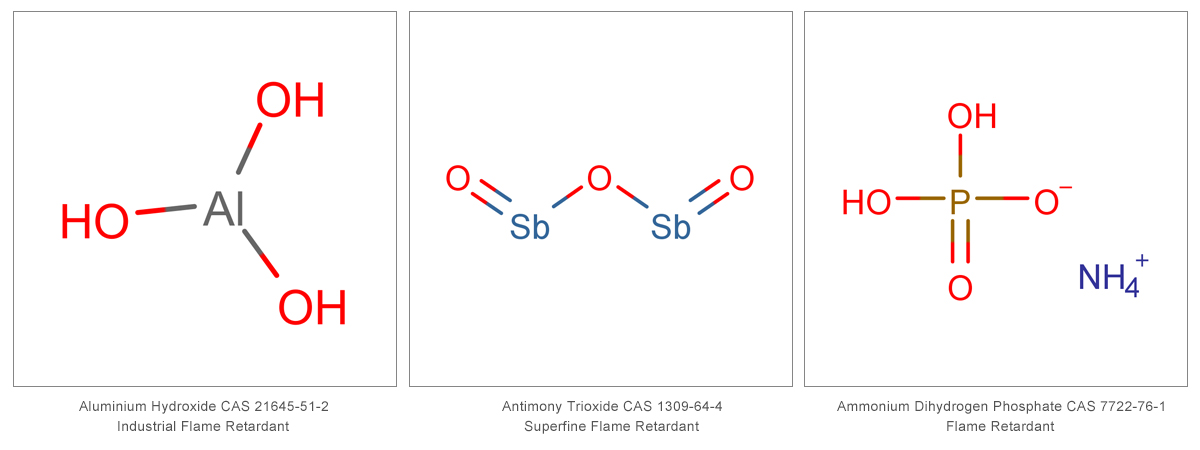
Flame-retardant additives are a class of chemical additives used to enhance the fire resistance of materials. They can slow down the burning rate of materials, reduce the risk of flame spread, and minimize the release of toxic gases and smoke. Common flame-retardant additives include:Flame retardant, char-forming agentWait.
Strength and Hardness Enhancing Additive
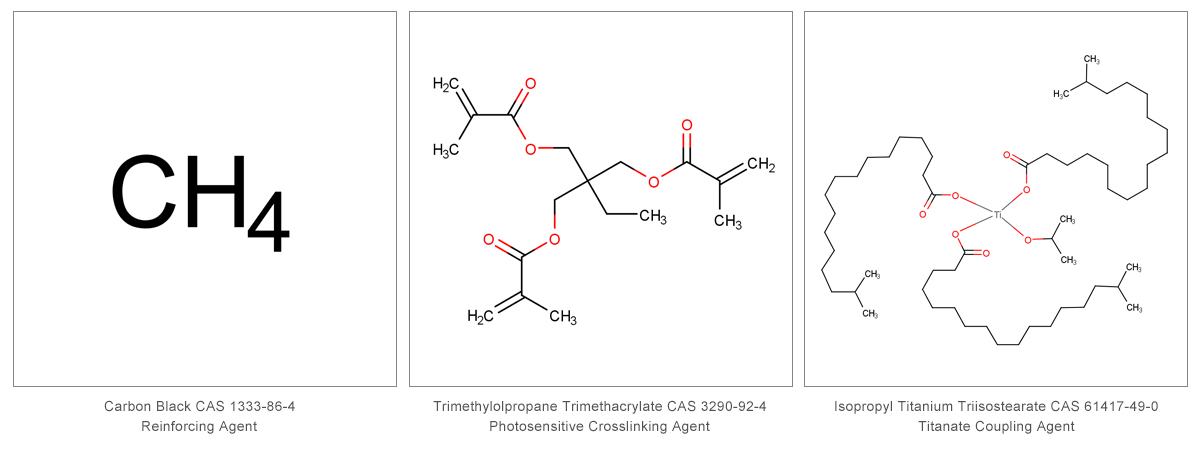
Strength and hardness enhancers are primarily used to increase the strength and hardness of materials. These additives interact with the material, altering its microstructure or physical properties and thereby making the material stronger and more durable. Common strength and hardness enhancers include:Filler, reinforcing agent, toughening agent, crosslinking agent, coupling agentWait.
Change the flavor enhancer
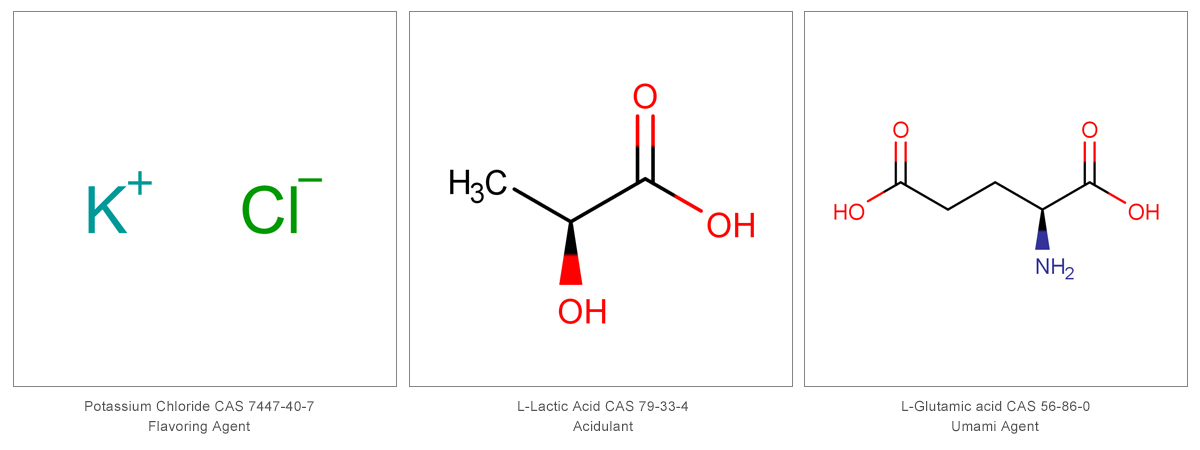
Flavor-modifying agents are chemical substances or additives used to alter the taste of food or beverages. These agents can modify the taste experience by adjusting characteristics such as flavor, texture, sweetness, acidity, saltiness, and bitterness in foods. Common flavor-modifying agents include:Flavoring agents, acidulants, umami enhancers, variety-improving agentsWait.
Additives for improving flow and rheological properties
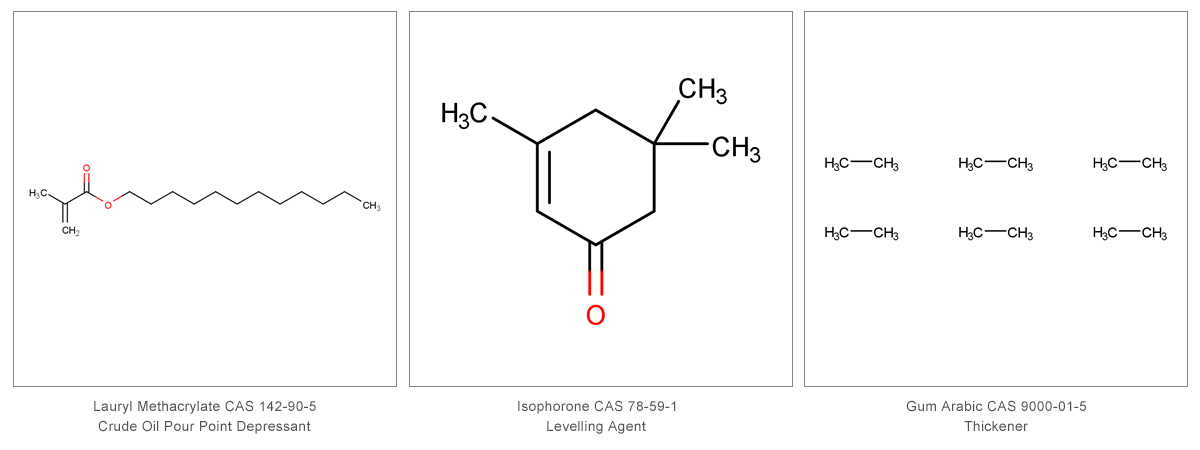
Additives that improve flow and rheological properties are typically used to adjust the fluidity, viscosity, and other performance characteristics of materials, thereby meeting specific processing or application requirements. Common improvements...Flow and rheology additives include pour-point depressants, viscosity index improvers, leveling agents, thickeners, and rheology modifiers.Wait.
The classification of chemical additives is not absolute but rather based on their functions and intended uses. In practical applications, certain chemical additives may serve multiple functions, leading to overlaps or intersections in their classification. Moreover, as technology advances and research deepens, new chemical additives continue to emerge, posing additional challenges to classification. Therefore, in real-world applications, chemical additives can be classified and used flexibly according to specific circumstances and needs, thereby achieving optimal results and benefits.
Source: Qianyan Chemistry Network