The development guidelines for chemical new materials industry during the "14th-15th Five-Year Plan" period have been released.
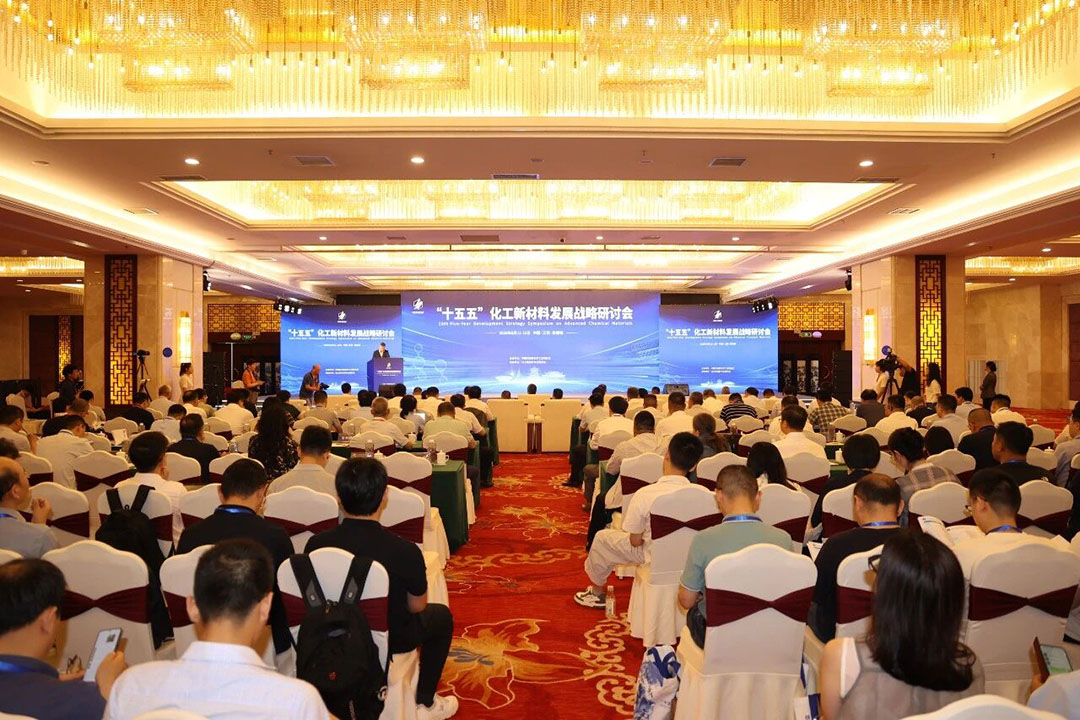
On June 12th, a seminar on the "15th Five-Year Plan" for the development of chemical new materials was held in Jingdezhen, the porcelain capital. Bu Xinping, the secretary-general of the Chemical New Materials Committee of the China Petroleum and Chemical Industry Federation, released and deeply interpreted the "Development Guidelines for Chemical New Materials Industry during the 15th Five-Year Plan" at the meeting.
Bu Xinping introduced that the "Guidelines" were developed through a year-long in-depth research, covering major state-owned enterprises, local state-owned enterprises, leading private enterprises, foreign-funded enterprises and research institutions. Through multiple rounds of discussions, on-site visits and written solicitation of opinions, it gathered the genuine voices from the upstream and downstream of the industrial chain as well as the most cutting-edge judgments. The "Guidelines" emphasize the combination of bottom-up and top-down approaches, aiming to create an action plan that consolidates the consensus of the entire industry.
According to Bu Xinping, during the "14th Five-Year Plan" period, China's chemical new materials industry witnessed explosive growth. The industry's scale and self-sufficiency capacity achieved a historic leap. The total production capacity of the industry was 84.5 million tons, the total output was 53.5 million tons, with an industry scale of 1.2 trillion yuan, and the overall self-sufficiency rate was 86.3%. This is not only an absolute increase in numbers, but also a concentrated manifestation of the continuous improvement of the industrial system and the continuous breakthrough of core technologies. China has firmly taken the position of the world's largest producer and consumer of chemical new materials. The huge industrial scale has laid a solid material foundation for the next step towards high-quality development.
The "Guidelines" state that during the "15th-16th Five-Year Plan" period, the main business income and fixed asset investment of the chemical new materials industry will maintain a rapid growth. It is aimed to achieve coordinated development of basic and high-end products by 2030, with a green and low-carbon production mode and a significant improvement in economic operation quality. Focusing on ten major series of chemical new materials products, seven key tasks will be emphasized. By the end of the "15th-16th Five-Year Plan", it is expected to ensure adequate supply of basic products, achieve basic self-sufficiency of high-end products, expand the export scale of advantageous products, significantly enhance innovation capabilities, ensure complete supply of raw materials and production equipment, promote collaboration and mutual promotion among industry, research, education, and application, and basically achieve full parity with the United States, Europe, and Japan, and even lead in some fields.
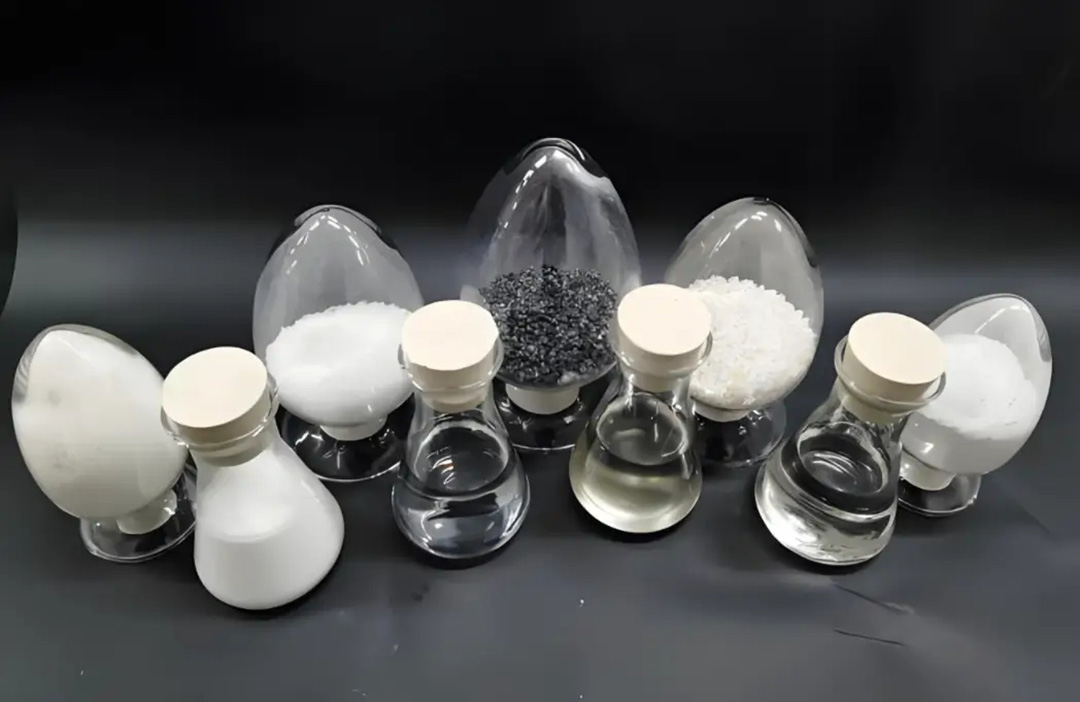
Self-sufficiency rate has further increased.
By 2030, the total production capacity of ten major categories such as high-performance resins and electronic chemicals will reach 110 million tons, with a production volume of 79 million tons and a consumption volume of 84 million tons. The number of categories with net exports will reach 5, and 2 more categories will be ready for breakthrough. The overall self-sufficiency rate of chemical new materials will reach 94%, among which the self-sufficiency rate of high-end polyolefins, electronic chemicals and special engineering plastics and other high-end products will reach 70% or more.
The intensive development of the industry has achieved results.
By 2030, the production layout of chemical new materials across the country will continue to be optimized, and the levels of park-based and intensive development will be further enhanced. Approximately 30 chemical new materials parks with an annual output value of over 10 billion yuan will be formed.
Cultivate a group of industry leaders.
Build a group of leading chemical new material enterprises, and cultivate about 100 "specialized, innovative, distinctive and high-quality" small and medium-sized enterprises. Some of these enterprises will have reached the international advanced level in terms of innovation capabilities and market influence.
The innovation capacity has been significantly enhanced.
Significant progress has been made in the construction of the independent innovation system. The proportion of research and development investment in the annual main business revenue has reached 3% or more. The collaborative innovation system among industry, academia and research institutions has been increasingly improved. A number of national-level chemical new materials research and development platforms have been established, forming new driving forces and advantages for promoting transformation and upgrading.
Green and low-carbon goals.
By 2030, the comprehensive energy consumption per unit value of the chemical new materials industry will decrease by more than 15% compared to 2025; bio-based materials will achieve a reduction of over 30% in carbon emissions in specific application fields; an independent carbon footprint standard certification system for chemical new materials will be established, and it will achieve equivalent mutual recognition with the international mainstream carbon border mechanisms.
The blueprint has been drawn up. The key lies in its implementation. To ensure the smooth realization of the strategic goals for the "15th Five-Year Plan", the guideline has systematically deployed seven strategic projects, covering technological research and development, raw material supply assurance, equipment autonomy, platform construction, talent cultivation, green transformation, and internationalization development. These constitute a complete "action engine" supporting the construction of a material power country, converting strategic planning into practical and feasible implementation measures.
Source: Chemical Industry News Network