Potential New Food Raw Material α-Glucosyl Hesperidin - How to Transform Functional Foods and Cosmetics
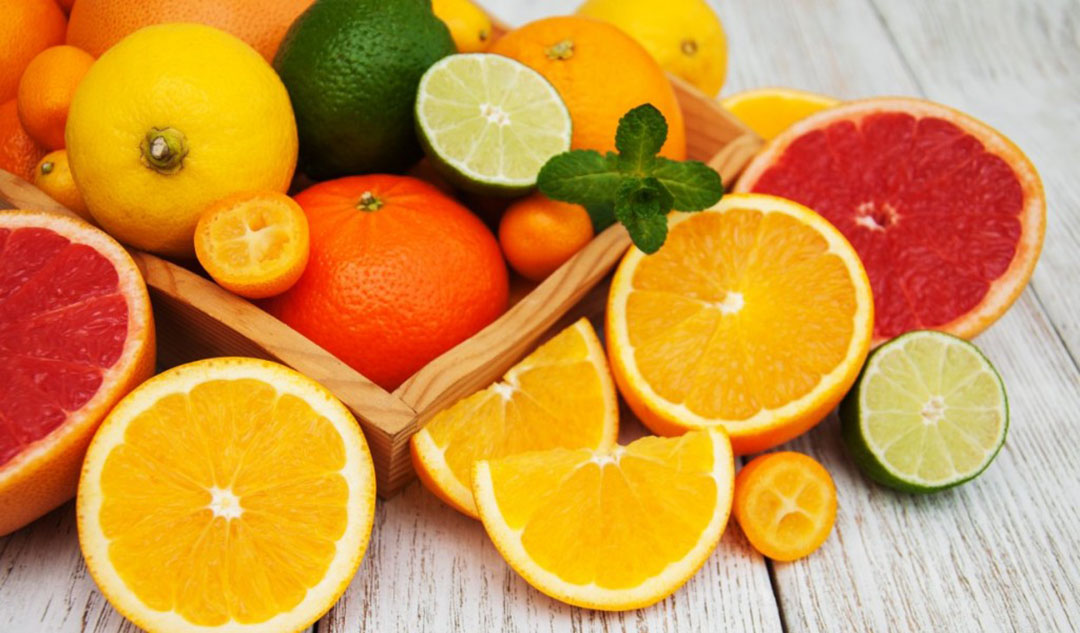
Hesperidin is a natural flavonoid compound widely present in citrus fruits, possessing physiological activities such as antioxidation and anti-inflammation. However, the water solubility of hesperidin is extremely poor and its bioavailability is limited, which poses many challenges in practical applications. Scientists have modified the structure of hesperidin through enzymatic glycosylation technology, obtaining a derivative with significantly improved water solubility - α-Glucosyl Hesperidin (CAS: 161713-86-6 ). This modified product has a water solubility that is over 1200 times higher than that of the original molecule. It retains the original biological activity while demonstrating excellent stability in pH 3-7 aqueous solutions. The content decline rate after storage at 40°C for 12 months is less than 3%. Currently, glucosyl hesperidin has been approved for use in multiple countries and regions such as Japan, South Korea, the United States, and the European Union. China is also advancing the relevant regulatory process in 2026. This component shows broad application prospects in functional foods and cosmetics.
What is α-Glucosyl Hesperidin?
α-Glucosyl Hesperidin is a modified flavonoid compound formed by the connection of glucose and hesperidin through an α-1,4 glycosidic bond. Its molecular formula is C34H44O20, with a molecular weight of 772.71 g/mol. From its appearance, it is a pale yellow to brownish-yellow powder, with a melting point ranging from 185 to 195°C, a boiling point of 1086.1 ± 65.0°C, and a density of approximately 1.70 ± 0.1 g/cm³.
This substance retains the core dihydroflavonoid skeleton of hesperidin, but introduces a glucose unit into its glycoside structure. The subtle adjustment of the molecular structure has led to a significant improvement in solubility: it is highly soluble in water and remains stable within a wide pH range of 3-7, and has low sensitivity to light. These properties make it more suitable for use as a raw material in food and cosmetics.
Core physical parameters
CAS Number: 161713-86-6
English Name: Alpha-Glucosyl Hesperidin / α-Glucosyl Hesperidin
Molecular Formula: C34H44O20
Molecular Weight: 772.71 g/mol
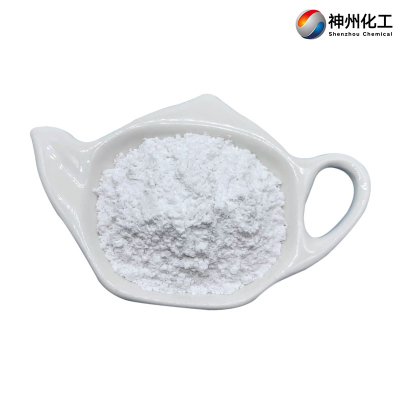
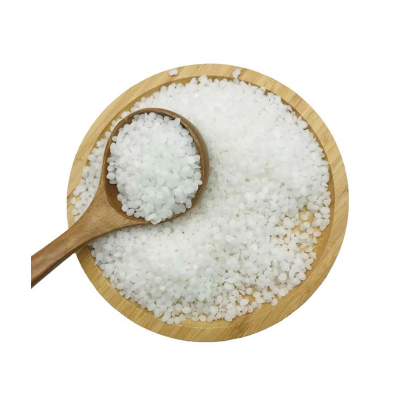
Appearance: Pale yellow to brown powder
Melting Point: 185-195°C
Boiling Point: 1086.1 ± 65.0°C
Density: 1.70 ± 0.1 g/cm³
pKa Value: 7.13 ± 0.40
Water Solubility: Easily soluble in water (more than 1200 times higher than hesperidin)
Storage Conditions: 2-8°C
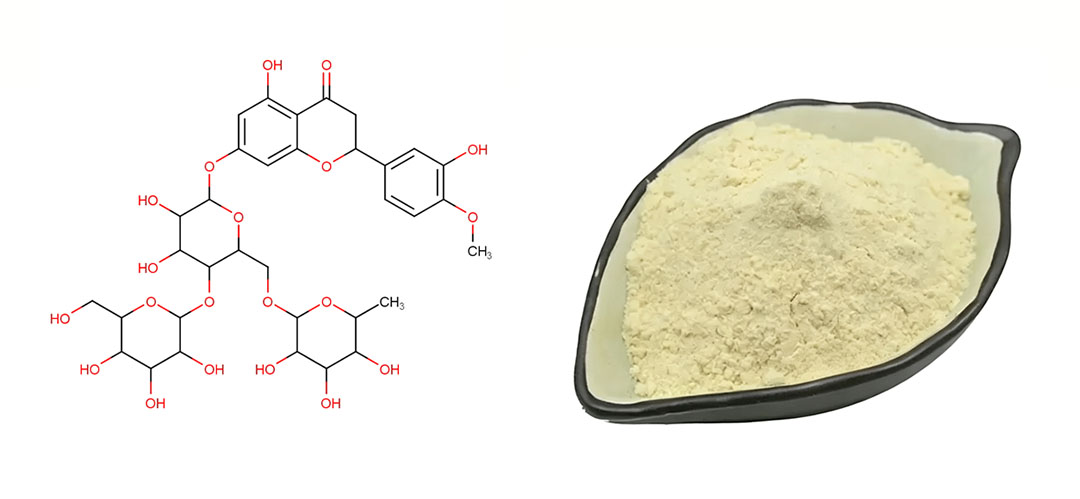
Research History: From Citrus By-Product to Functional Ingredient
Hesperidin naturally occurs in the peels, pulp and juice of citrus fruits, making it one of the primary by-products of the citrus processing industry. Scientists discovered hesperidin as early as the early 20th century and gradually uncovered its physiological activities including antioxidant and anti-inflammatory properties. Nevertheless, hesperidin has a water solubility of merely around 0.1 mg/mL and exhibits extremely low oral absorption rate, which greatly restricts its scope of application.
Starting from the 1980s to 1990s, researchers began to explore chemical and biological approaches to improve the solubility and bioavailability of hesperidin. Enzymatic glycosylation technology has gradually matured and become the dominant research direction in this field. Compared with chemical synthesis, enzymatic reactions feature mild conditions, high selectivity and fewer by-products, making them more suitable for the production of food-grade raw materials.
The 2010s witnessed an explosive growth in applied research on glucosyl hesperidin. In 2015, Japan took the lead in incorporating glucosyl hesperidin into the Food with Function Claims system, permitting enterprises to label functional claims under compliant conditions.
Application Fields: Diverse Scenarios in Food and Cosmetics
Cosmetic Applications
With its antioxidant and skin-brightening effects, glucosyl hesperidin has become a popular raw material in the cosmetics industry. It is clearly listed in the Inventory of Existing Cosmetic Raw Materials (2021 Edition), so it can be legally added into various cosmetic formulations.
Its core functions cover anti-oxidation, skin brightening and freckle fading, microcirculation improvement, moisturizing & repairing, as well as anti-inflammatory soothing. In cosmetics, glucosyl hesperidin is widely formulated into eye creams, serums, facial masks, moisturizing creams and other products.
Food Applications
According to the draft for public consultation issued by China National Center for Food Safety Risk Assessment, the recommended daily intake of glucosyl hesperidin shall not exceed 500 mg. Its maximum usage limits vary by food category:
Liquid beverages (packaging ≤50 ml): ≤5 g/kg
Liquid beverages (packaging 51–500 ml): ≤0.5 g/kg
Modified milk and flavored fermented milk: ≤0.5 g/kg
Jellies: ≤10 g/kg
Cocoa products, chocolates and chocolate products: ≤10 g/kg
Confectionery: ≤28 g/kg
Functional food case
In the Japanese and North American markets, functional foods containing glucosyl naringin have become quite common. Fancl's "Neutral Fat Support" supplement contains 350mg of glucosyl naringin per 4 capsules; Sanxiong Dairy's black vinegar beverage adds 178mg of glucosyl naringin per bottle; UHA Taste Sugar's lemon-flavored throat lozenge also contains this ingredient [3]. These products are mainly targeted at areas such as metabolic health, weight management, and cardiovascular support.
Market Prospect: A continuously growing blue ocean market
According to market research data, the global market size of glucosyl naringenin-related products was approximately 1.98 billion US dollars in 2019. With the enhancement of consumers' health awareness and the increasing demand in an aging society, this market is expected to maintain stable growth.
Professional institutions predict that during the period from 2024 to 2032, the compound annual growth rate (CAGR) of this market will be approximately 7.19%, and the market size is expected to reach 3.7 billion US dollars by 2032. The main factors driving market growth include: the rising demand for functional foods and dietary supplements, the expansion of the application of natural ingredients in cosmetics, and the market access opportunities brought about by the gradual improvement of regulations in various countries.
Source: Qianyan Chemistry Network