New trends in the eye health market: What other ingredients work for eye care besides lutein?
Magic Mirror Insight data shows that 35.8% of the population suffers from myopia, and 21.8% have eye-care demands due to frequent use of electronic devices. The eye health market has long evolved into a trillion-yuan consumer blue ocean.
Lutein’s Decline & Rise of Niche Ingredients
In the past, lutein stood as the undisputed star of this blue ocean. During the MAT2025 period (June 2024 – May 2025), sales of single-ingredient lutein reached 1.6 billion yuan, accounting for half of the eye-health food market. Leading brands including By-health, Usay, and Swisse all adopted lutein as the core ingredient in their eye-care supplements.
Yet market trends have shifted drastically today. Lutein’s sales fell 21.6% year-on-year. By contrast, three lesser-known raw materials with minimal brand recognition have skyrocketed in sales: crocin (brand awareness only 0.2%) surged 156.3%, grape seed extract (0.4%) rose 48.8%, and bilberry (0.8%) grew 19.6%. An industry revolution featuring niche raw materials replacing mainstream lutein is unfolding across eye-care products.
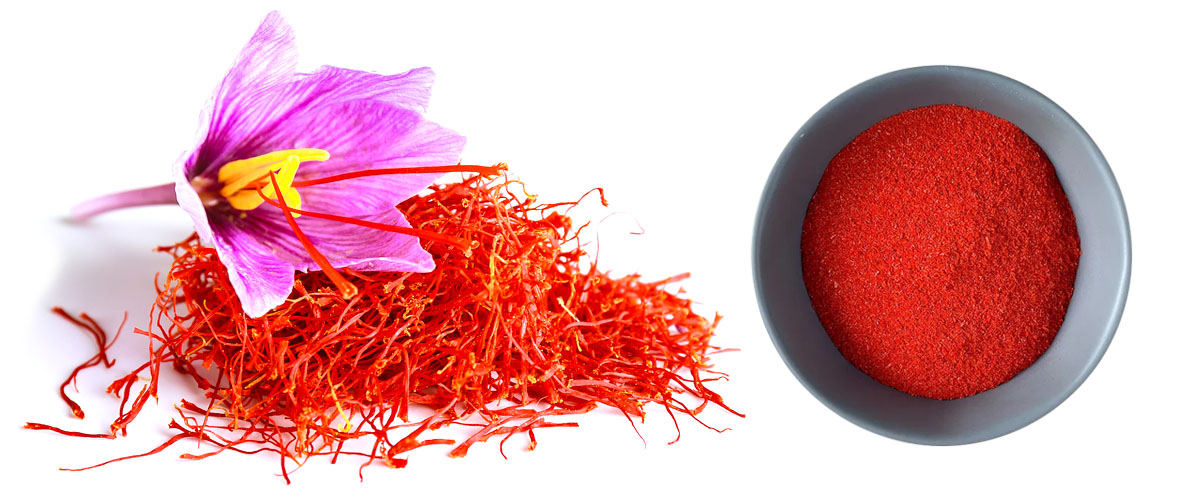
1. Crocin(CAS 42553-65-1): A Medicinal & Edible Eye-Protecting Ingredient
Saffron, also known as crocus or Spanish saffron, is a perennial herb in the Iridaceae family. Boasting dual strengths as both a medicinal and edible substance plus targeted eye benefits, crocin has emerged as a dark horse among niche raw materials. Saffron was officially added to China’s List of Medicinal and Edible Homologous Substances back in 2019.
Its core active compound, crocin, is a water-soluble carotenoid with multiple benefits including neuroprotection and blood lipid reduction, and its eye-protective effects stand out particularly. Research demonstrates that crocin significantly elevates the level of brain-derived neurotrophic factor (BDNF) in mouse retinas. This protein facilitates repositioning of cone opsins, restoring visual function and boosting high-spatial-frequency visual contrast sensitivity. Simply put, crocin sharpens vision for fine details, making it ideal for people with blurred vision from prolonged screen exposure.
2. Grape Seed Extract(CAS 84929-27-1): Combats Retinal Epithelial Aging
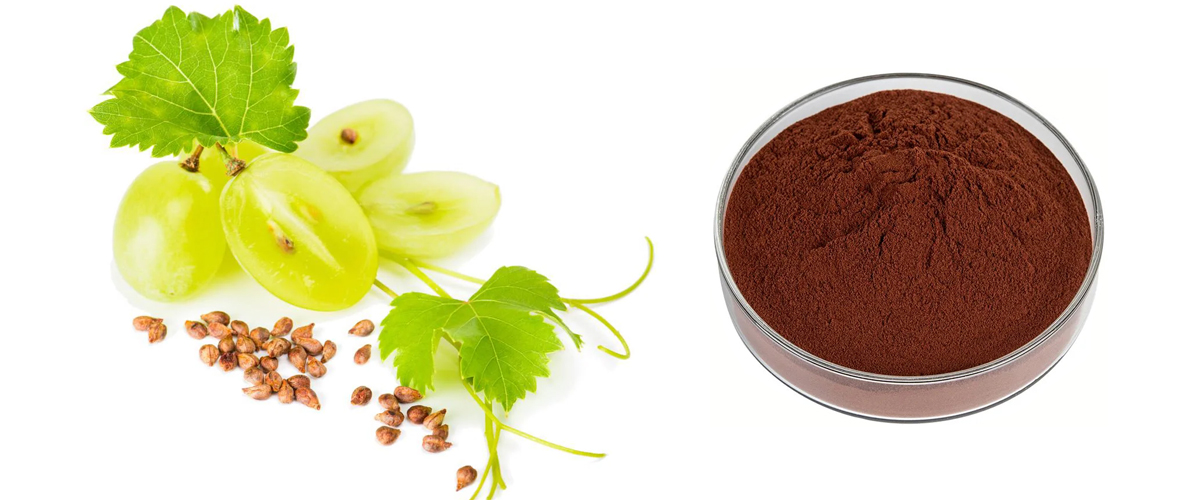
Grape seed extract opens an affordable eye-care track with two core merits: high-value utilization of agricultural byproducts and multi-path ocular protection. China ranks among the world’s top grape cultivators, yet grape seeds were long discarded as processing waste until their hidden benefits were uncovered. Grape seeds contain 50–70% polyphenols, over 95% of which are proanthocyanidins — powerful compounds hailed as vascular protectors.
For eye health, proanthocyanidins improve retinal microcirculation: they reduce capillary fragility and leakage in retinal microvessels. Meanwhile, they upregulate NAMPT (nicotinamide phosphoribosyltransferase) expression and raise NAD+ concentrations, delaying retinal pigment epithelial aging via the NAMPT/SIRT1/NLRP3 pathway. Retinal epithelial degeneration is a primary trigger of presbyopia and macular degeneration.
Notably, grape seed extract has obtained GRAS (Generally Recognized As Safe) certification from the U.S. FDA. It can be added as an antioxidant or emulsifier to beverages, cereals, dairy and other daily foods at a dosage of 0.01–0.08% to deliver its effects. Unlike lutein that requires separate capsule intake, grape seed extract can be integrated into regular meals, making it far more consumer-friendly. It also delivers additional benefits for brain aging and cardiovascular health, aligning with the mainstream holistic wellness trend.
3. Bilberry Extract(CAS 84082-34-8): The "Super Blueberry" Ideal for Lutein Compounding
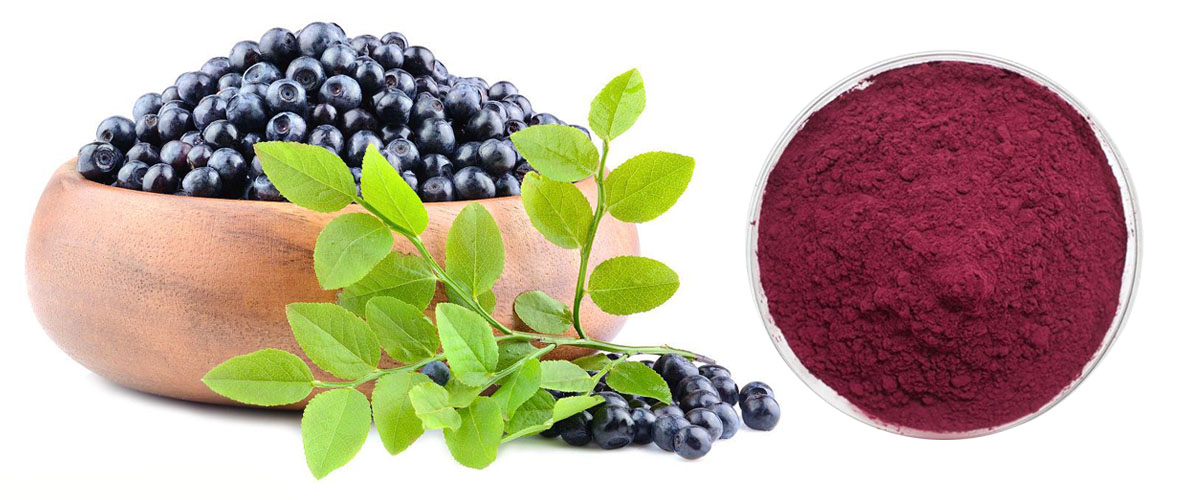
European bilberry earns its reputation as lutein’s perfect complementary ingredient, steadily capturing market share thanks to high anthocyanin content and synergistic compounding advantages. Despite its name, it differs vastly from common blueberries: its anthocyanin content exceeds that of ordinary blueberries by more than 15 times, and its anthocyanins efficiently cross the blood-retinal barrier — a critical hurdle many eye-care ingredients fail to overcome.
Clinical studies confirm bilberry anthocyanins protect eyes on three fronts:
①Inhibit oxidative damage to photoreceptor cells and mitigate blue light harm to the retina;
②Accelerate rhodopsin regeneration to boost dark adaptation (eliminating blurriness when moving from bright to dim environments);
③Improve ocular microcirculation to relieve dryness and soreness caused by eye strain.
MAT2025 data records bilberry eye-care product sales hitting 300 million yuan, a 19.6% year-on-year jump. Top-selling products all adopt bilberry + lutein/zeaxanthin compound formulas. This combination leverages lutein’s core function of filtering blue light and shielding the macula, while bilberry anthocyanins deliver deep retinal repair and fatigue relief, compensating for the limitations of standalone lutein formulations.
Underlying Logic of Market Shifts
The decline of the 1.6-billion-yuan lutein market and explosive growth of niche raw materials reflect refined upgrading in consumer eye-care demands. Consumers no longer settle for basic eye protection; instead, they seek targeted solutions: office workers want relief from eye strain and clearer vision, middle-aged and elderly groups aim to slow retinal aging and prevent macular degeneration, while teenagers hope to slow myopia progression.
Crocin, grape seed extract and bilberry precisely match these segmented needs. Coupled with the marketable labels of "medicinal & edible" and "naturally extracted", they fully align with today’s consumer preference for natural wellness.
China also boasts abundant reserves of eye-protective raw materials beyond these three niche ingredients, including chrysanthemum, wolfberry, cassia seed and other medicinal-edible herbs, as well as ginkgo leaf and fish oil for health supplements.