Chloranil CAS#118-75-2
Products Description of Chloranil CAS#118-75-2
Benzyl alcohol (also referred to as phenylmethanol) has a molecular formula of C₆H₅CH₂OH and a density of 1.045 g/mL at 25°C (per literature data). As the simplest fatty alcohol containing a phenyl group, it can be defined as either hydroxymethyl-substituted benzene or phenyl-substituted methanol. It presents as a colorless, transparent, viscous liquid with a faint aromatic scent. When stored for extended periods, it may develop a slight bitter almond odor—attributed to oxidation that produces benzaldehyde.
Possessing polarity, low toxicity, and low vapor pressure, benzyl alcohol serves as an alcohol solvent. It is flammable, slightly soluble in water (approximately 1 gram dissolves in 25 mL of water), and miscible with organic solvents such as ethanol, ether, benzene, and chloroform. Naturally, it exists in essential oils either in free form or as esters, including jasmine oil, ylang-ylang oil, frangipani oil, hyacinth oil, moonflower oil, Peru balsam, and Tolu balsam (per Chemicalbook).
Benzyl alcohol is not suitable for long-term storage. It slowly oxidizes in air to form benzaldehyde and anisole, which is why commercial products often carry the characteristic almond aroma of benzaldehyde. Additionally, it is readily oxidized to benzoic acid by various oxidizing agents (e.g., concentrated nitric acid). It exhibits anesthetic properties and strong irritancy to the eyes, skin, and respiratory system. Ingestion, inhalation, or skin contact can be harmful to the human body: ingestion may cause headaches, nausea, vomiting, gastrointestinal irritation, convulsions, coma, and even death in severe cases. The median lethal dose (LD₅₀) in rats is 1230 mg/kg.
Once in the human body, benzyl alcohol is first oxidized to benzoic acid, which then condenses with glycine in the liver and is excreted as hippuric acid. Intramuscular injections using benzyl alcohol as a solvent may lead to gluteal muscle contracture.
Parameters
Melting point | -15 °C |
Boiling point | 205 °C |
density | 1.045 g/mL at 25 °C(lit.) |
vapor density | 3.7 (vs air) |
vapor pressure | 13.3 mm Hg ( 100 °C) |
FEMA | 2137 | BENZYL ALCOHOL |
refractive index | n20/D 1.539(lit.) |
Fp | 201 °F |
storage temp. | Store at +2°C to +25°C. |
solubility | H2O: 33 mg/mL, clear, colorless |
pka | 14.36±0.10(Predicted) |
form | Liquid |
color | APHA: ≤20 |
Odor | Mild, pleasant. |
Relative polarity | 0.608 |
explosive limit | 1.3-13%(V) |
Odor Type | floral |
biological source | synthetic |
Water Solubility | 4.29 g/100 mL (20 ºC) |
Merck | 14,1124 |
JECFA Number | 25 |
BRN | 878307 |
Henry's Law Constant | <2.70 x 10⁻⁷ at 25 °C (thermodynamic method-GC/UV, Altschuh et al., 1999) |
Exposure limits | No exposure limit is set. Because of its low vapor pressure and low toxicity, the health hazard to humans from occupational exposure should be very low. |
Dielectric constant | 13.1(20℃) |
InChIKey | WVDDGKGOMKODPV-UHFFFAOYSA-N |
LogP | 1.05 at 20℃ |
Surface tension | 39.2mN/m at 293.15K |
CAS DataBase Reference | 100-51-6(CAS DataBase Reference) |
NIST Chemistry Reference | Benzyl alcohol(100-51-6) |
EPA Substance Registry System | Benzyl alcohol (100-51-6) |
Safety Information
Hazard Codes | Xn,T |
Risk Statements | 20/22-63-43-36/37/38-23/24/25-45-40 |
Safety Statements | 26-36/37-24/25-23-53 |
RIDADR | UN 1593 6.1/PG 3 |
WGK Germany | 1 |
RTECS | DN3150000 |
F | 8-10-23-35 |
Autoignition Temperature | 817 °F |
TSCA | Yes |
HS Code | 29062100 |
Hazardous Substances Data | 100-51-6(Hazardous Substances Data) |
Toxicity | LD50 orally in rats: 3.1 g/kg (Smyth) |
Product Application of Chloranil CAS#118-75-2
Benzyl alcohol is widely utilized as a solvent in the dielectrophoretic reconfiguration of nanowires, as well as in inks, paints, lacquers, and epoxy resin coatings. It also serves as a precursor for various esters that are applied in soaps, perfumes, and flavorings. Additionally, it functions as a local anesthetic, alleviating the pain associated with lidocaine injections. Its applications extend to a range of personal care and cosmetic products, including baby products, bath items, soaps and detergents, eye makeup, blushers, cleansing products, general makeup, and hair, nail, and skin care products.
Factory and Equipment Show
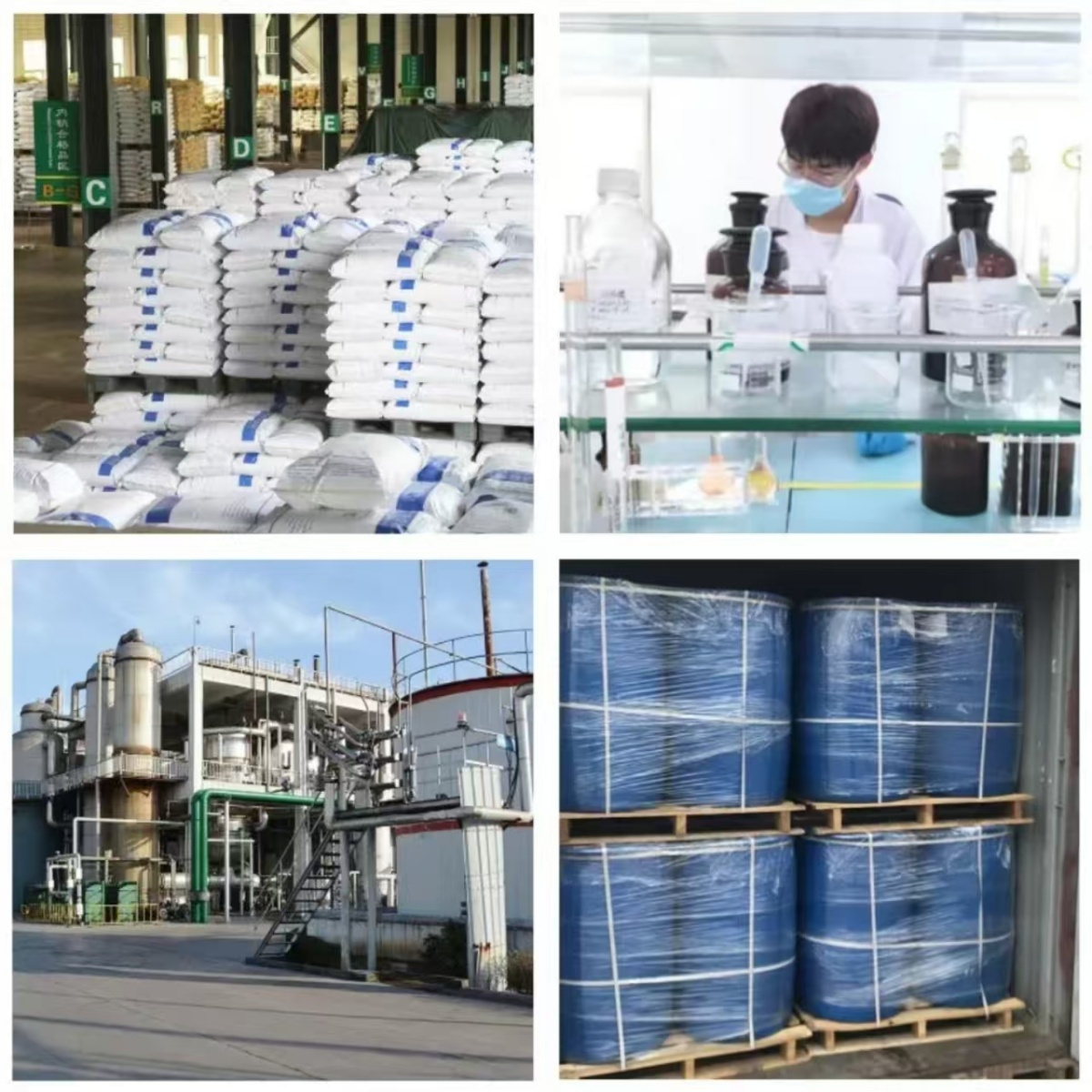
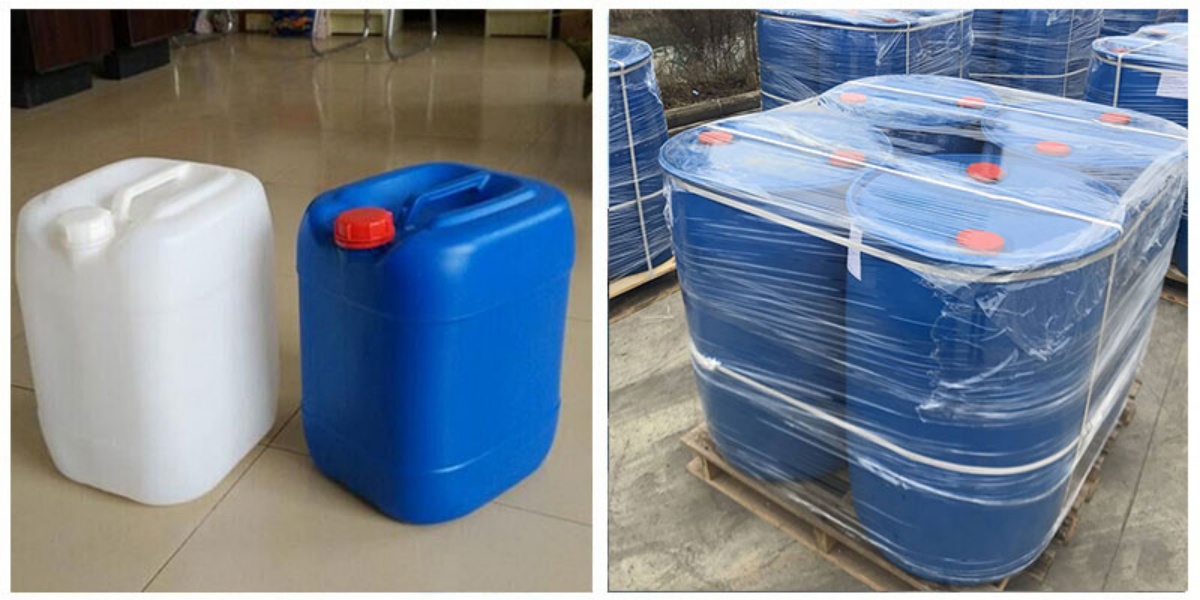
Fast delivery time
Inventory 2-3 working days New production 7-10 working days