Products Description of Aluminum hydroxide CAS #21645-51-2
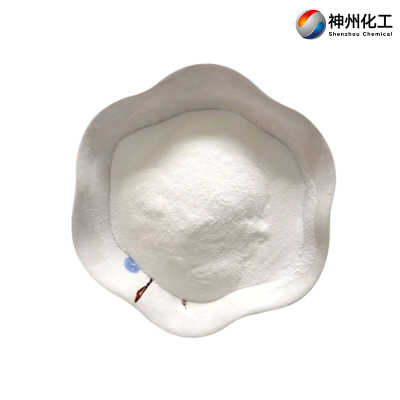
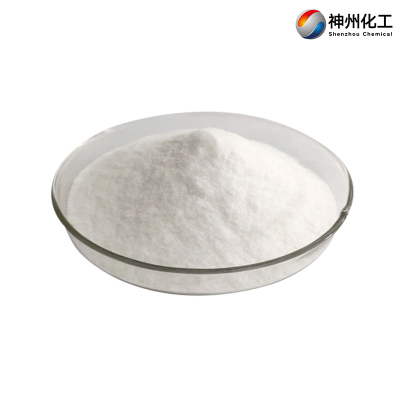
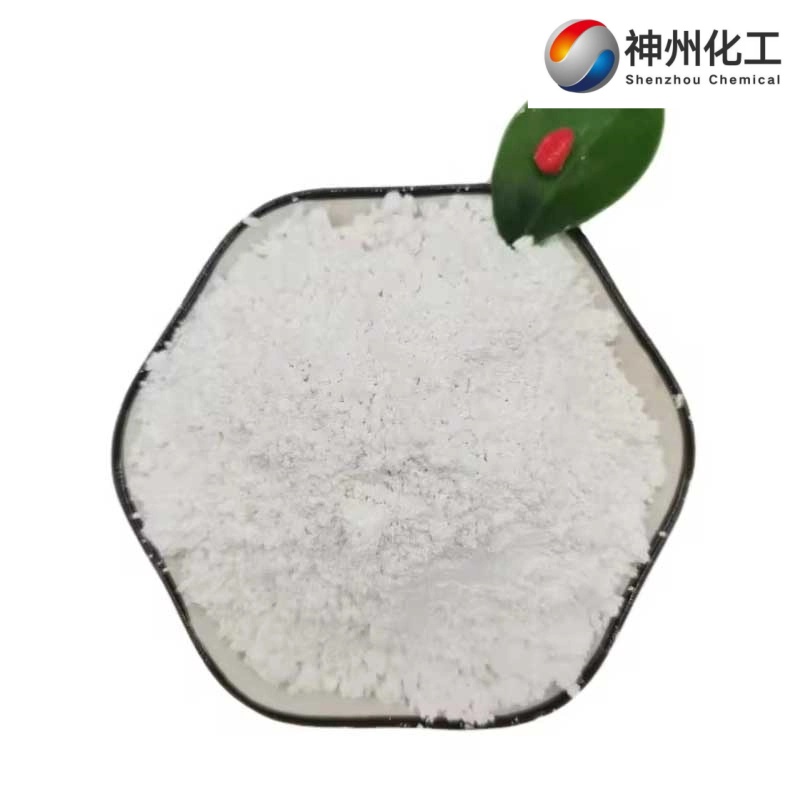
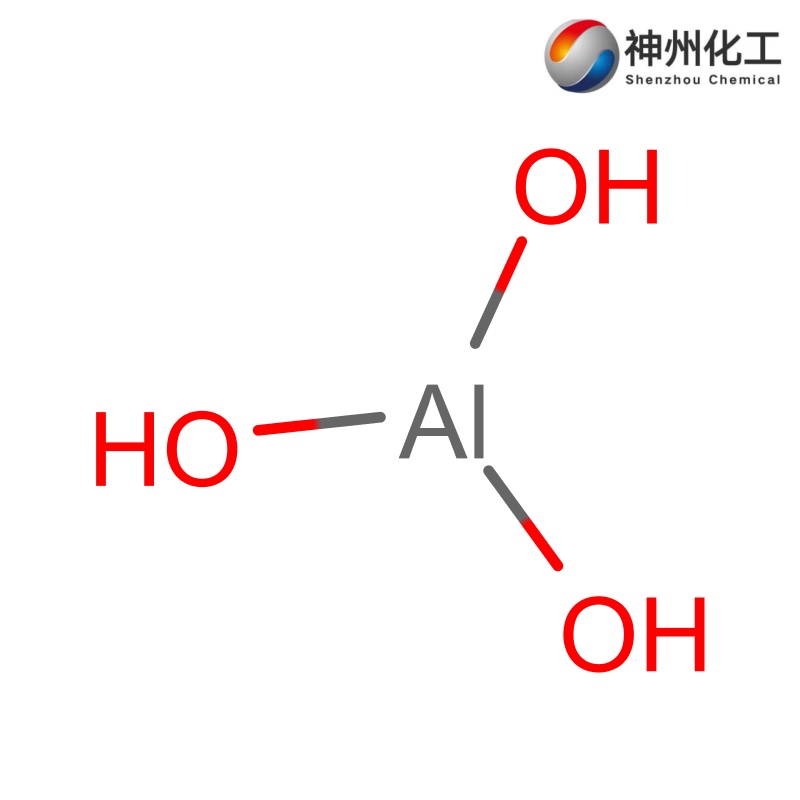
Aluminum hydroxide (chemical formula: Al(OH)₃) is a white solid that is insoluble in water but soluble in acids or alkalis, making it a typical amphoteric hydroxide. When heated and dehydrated in air, it can be converted into aluminum oxide—this property is of great significance for aluminum oxide production. Aluminum hydroxide reacts with acids to form salts and water, and also reacts with strong alkalis to produce salts and water (per Chemicalbook), confirming its amphoteric nature. Due to its inherent acidic characteristics, it is also referred to as aluminic acid (H₃AlO₃).
Parameters
Melting point | 300℃ |
Boiling point | 2980℃[at 101 325 Pa] |
bulk density | ~90g/100 mL |
density | 2.42 g/cm3 at 20 °C |
vapor pressure | <0.1 hPa (20 °C) |
refractive index | Average refractive index: 1.57-1.59 |
storage temp. | Store at +5°C to +30°C. |
solubility | 0.0015g/l |
form | colloidal suspension |
Specific Gravity | 2.42 |
color | White |
PH | 8-9 (100g/l, H2O, 20℃)(slurry) |
Odor | Odorless |
PH Range | >7 |
Water Solubility | insoluble |
Crystal Structure | Monoclinic |
Merck | 14,342 |
Solubility Product Constant (Ksp) | pKsp: 32.89 |
Exposure limits | ACGIH: TWA 1 mg/m3 |
Dielectric constant | 2.2(Ambient) |
Stability: | Stable. Incompatible with strong bases. |
LogP | -1.380 (est) |
CAS DataBase Reference | 21645-51-2(CAS DataBase Reference) |
EPA Substance Registry System | Aluminum hydroxide (21645-51-2) |
Safety Information
Hazard Codes | Xi |
Risk Statements | 36 |
Safety Statements | 26-36 |
WGK Germany | - |
RTECS | BD0940000 |
TSCA | Yes |
HS Code | 28183000 |
Hazardous Substances Data | 21645-51-2(Hazardous Substances Data) |
Toxicity | TDLo oral in child: 79gm/kg/2Y-I |
Product Application of Aluminum hydroxide CAS #21645-51-2
Aluminum hydroxide serves as an absorbent in chromatography, and is involved in the production of glass, paper, inks, ceramics, lubricants, and cosmetics. It is used as a desiccant powder, as well as a filler in paper, plastics, rubber, and cosmetics. Additionally, it functions as a smoke suppressant and mordant in dyeing processes. In the pharmaceutical field, it is utilized in capsules as an antacid and antihyperphosphatemic agent. It also acts as a Claus catalyst support for water-resistant fabrics. As an important starting material, it is employed in the preparation of other aluminum compounds—including calcined alumina, aluminum sulfate, polyaluminum chloride, zeolites, sodium aluminate, activated alumina, and aluminum nitrate. Furthermore, it is widely used as a flame retardant.
Factory and Equipment Show
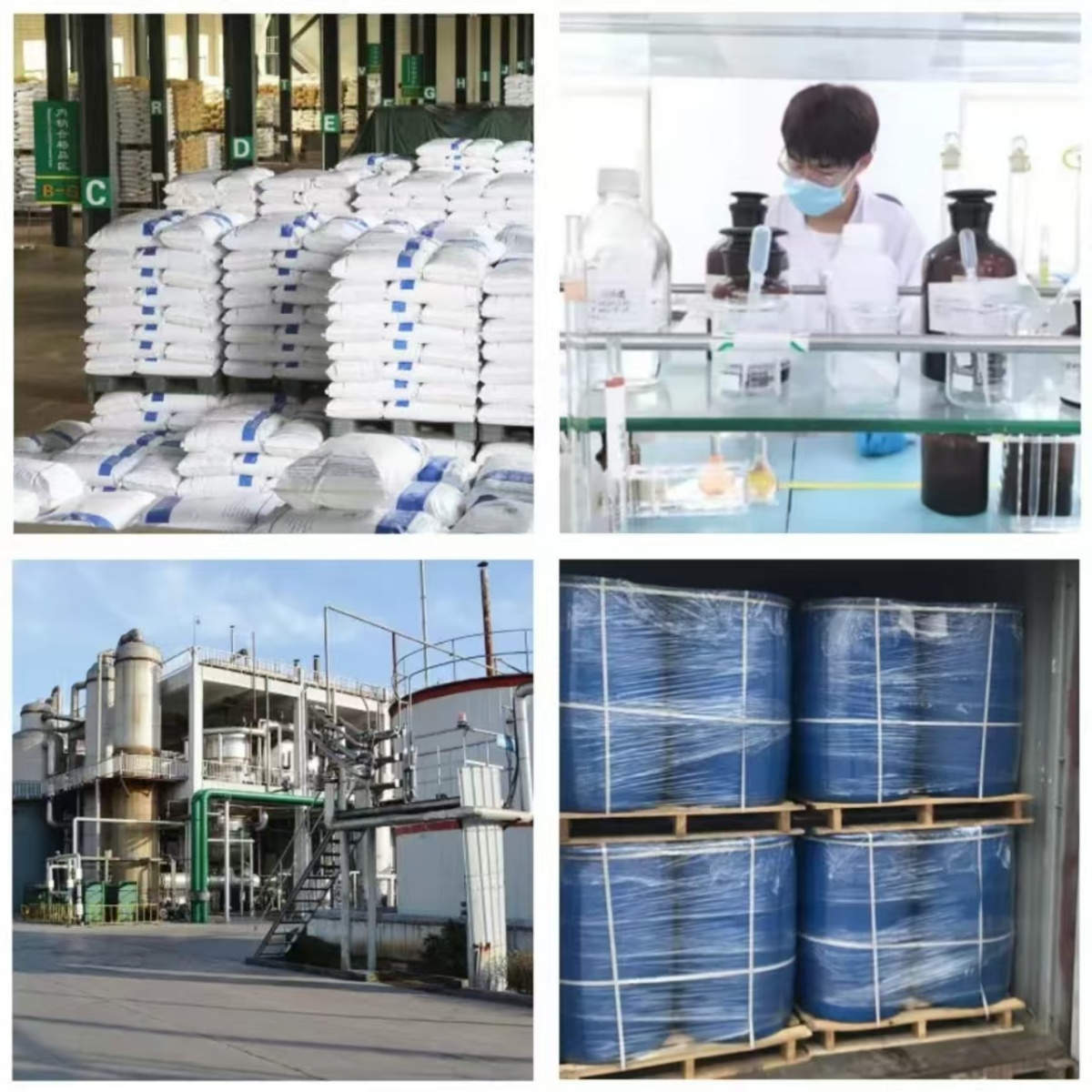
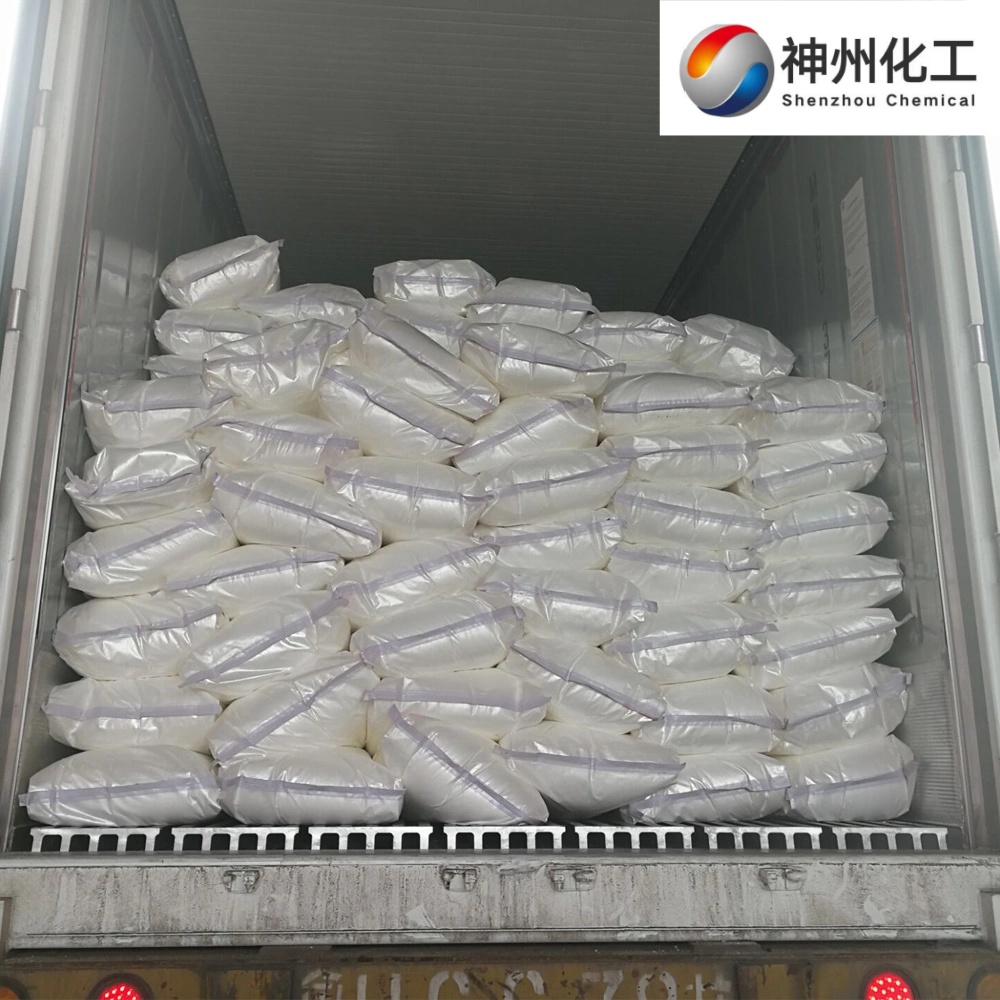
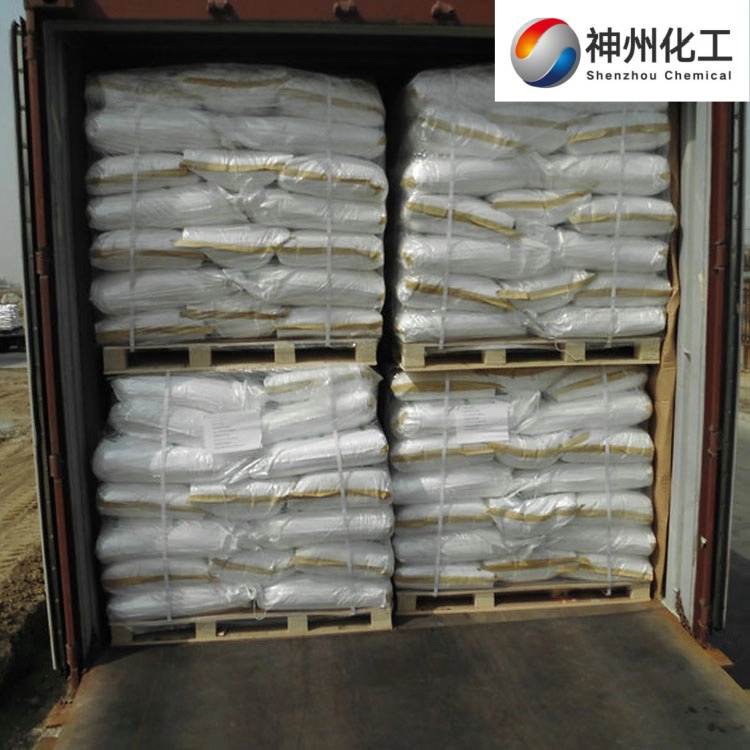
Fast delivery time
Inventory 2-3 working days New production 7-10 working days