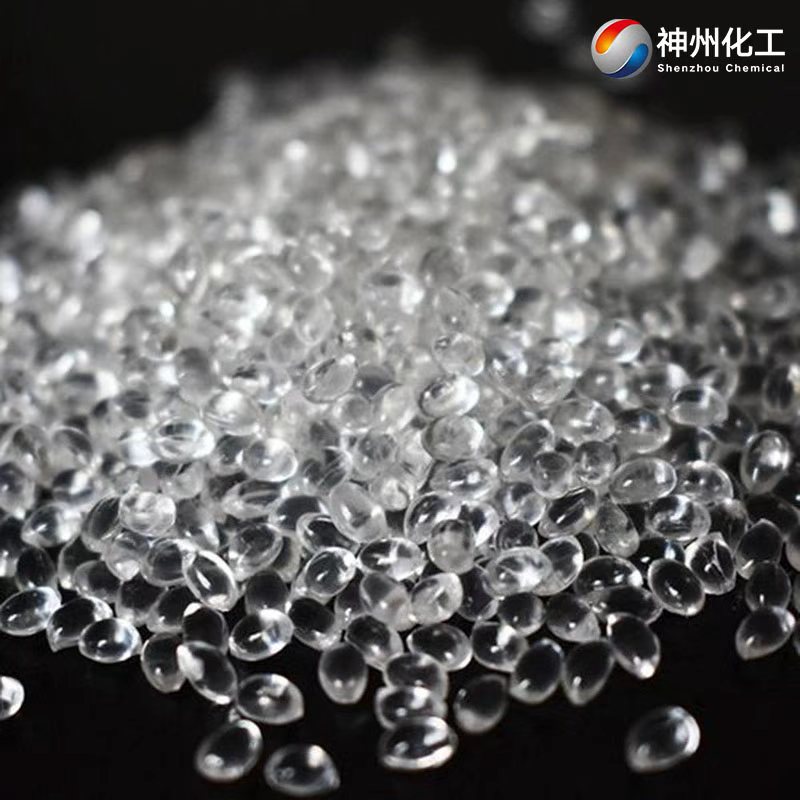
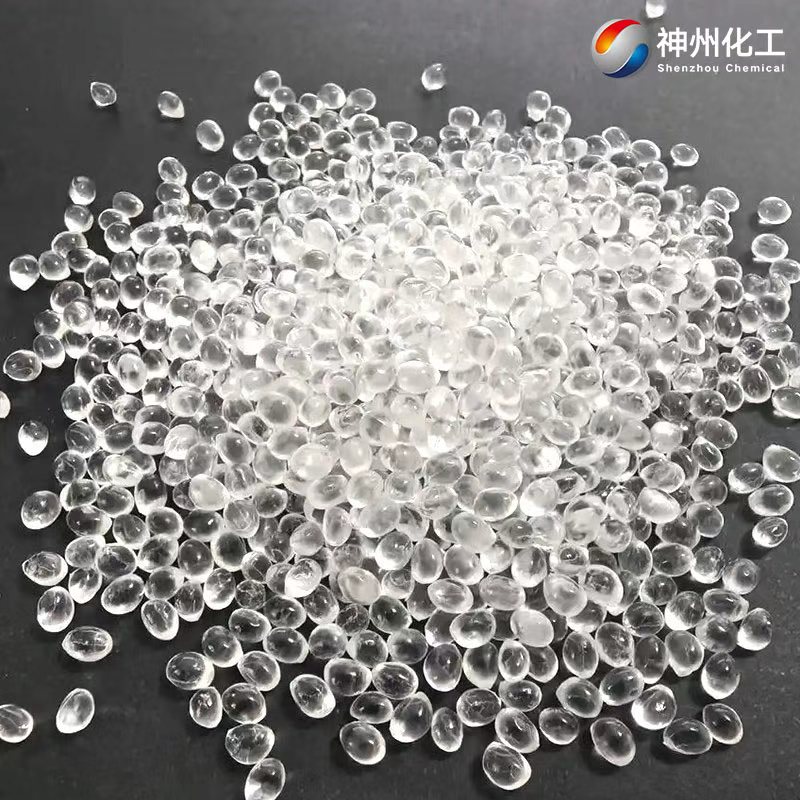
Products Description of Polyurethane (CAS: 9009-54-5)
Polyurethane can be synthesized with various isocyanate monomers, such as tolylene diisocyanate (TDI), hexamethylene diisocyanate (HDI), dicyclohexylmethane diisocyanate and other associated substances.The majority of these isocyanates exist as low-viscosity liquids under ambient temperature. In contrast, 4,4'-diphenylmethane diisocyanate (MDI) generally appears as crystalline solids.
Aromatic isocyanates possess stronger reactivity than aliphatic varieties. For this reason, they are extensively adopted to
manufacture polyurethane foams, coatings and elastomers.
Besides, aromatic and alicyclic isocyanates feature cyclic structures. These structures boost molecular rigidity within polyurethane formulations, effectively lifting the overall properties of finished polyurethane products.
Polyurethane Chemical Properties
| bulk density | 0.08g/cm3 |
| form | foam |
| Stability: | Stable. Combustible. Incompatible with strong oxidizing agents. |
| InChI | InChI=1S/C3H8N2O/c1-2-5-3(4)6/h2H2,1H3,(H3,4,5,6) |
| InChIKey | RYECOJGRJDOGPP-UHFFFAOYSA-N |
| SMILES | N(CC)C(N)=O |
| CAS DataBase Reference | 9009-54-5 |
| IARC | 3 (Vol. 19, Sup 7) 1987 |
Product Application of Polyurethane CAS#9009-54-5
Polyurethane can be applied to orthopedic assistive devices like bone fixation splints. In addition, as resins and foams, it ranks among the most vital polymer materials for industrial use.
Polyurethane resins and foams are available in rigid, semi-rigid and flexible foam types as well as resin finished goods. This characteristic enables PUR to serve diverse commercial scenarios.
The material finds extensive utilization in furniture, bedding supplies, automobile sealing parts, adhesives, carpets, packaging raw materials, coatings and numerous other industrial and consumer goods.
Thanks to favorable oil resistance, light stability and solvent resistance, coupled with remarkable mechanical strength and flexibility, polyurethane enjoys high recognition across various industries.
This kind of polymer is generally produced via the polyaddition reaction of diisocyanates and polyhydroxy substances including polyols. Such synthesis route allows flexible formula adjustment to satisfy varied performance demands.
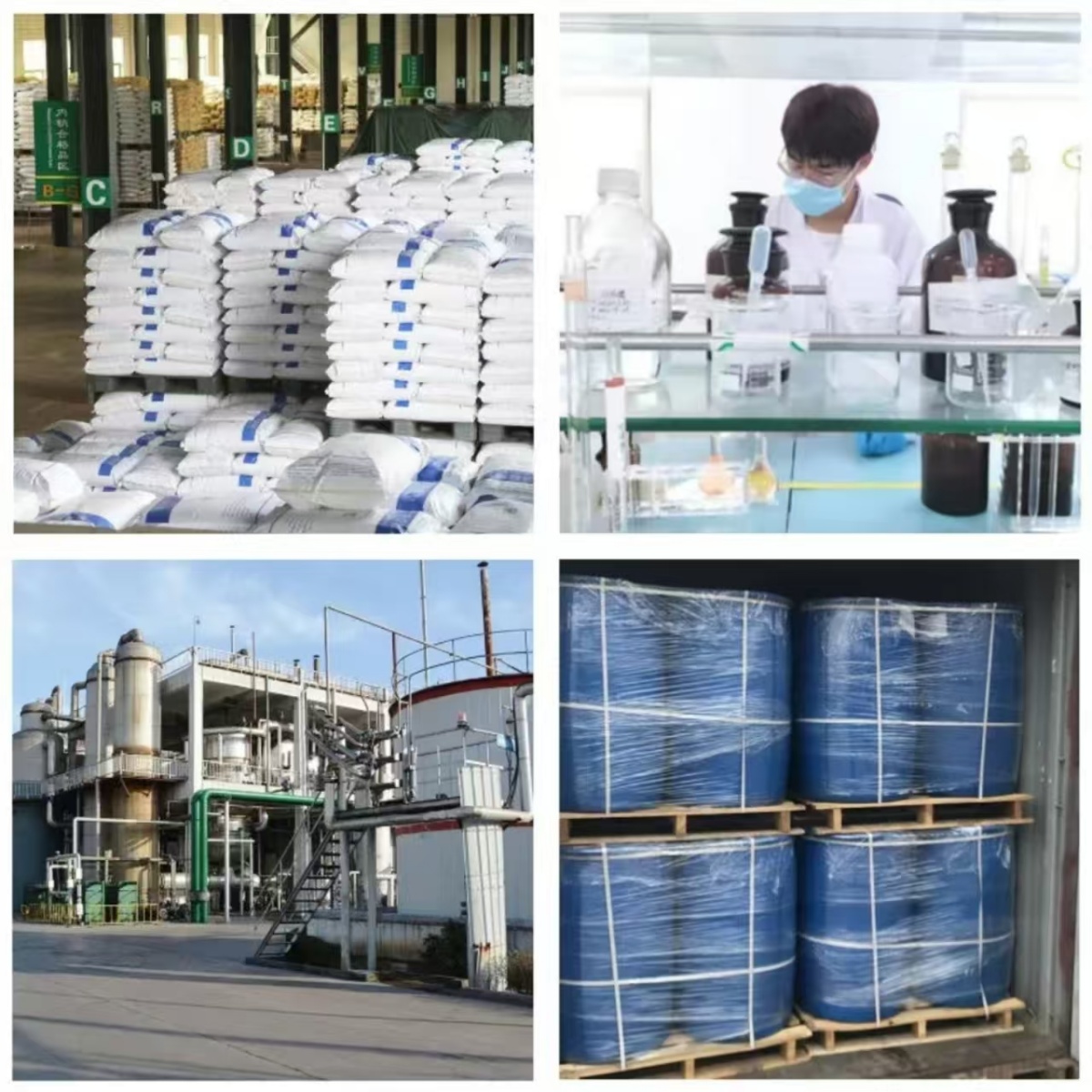
Factory and Equipment Show

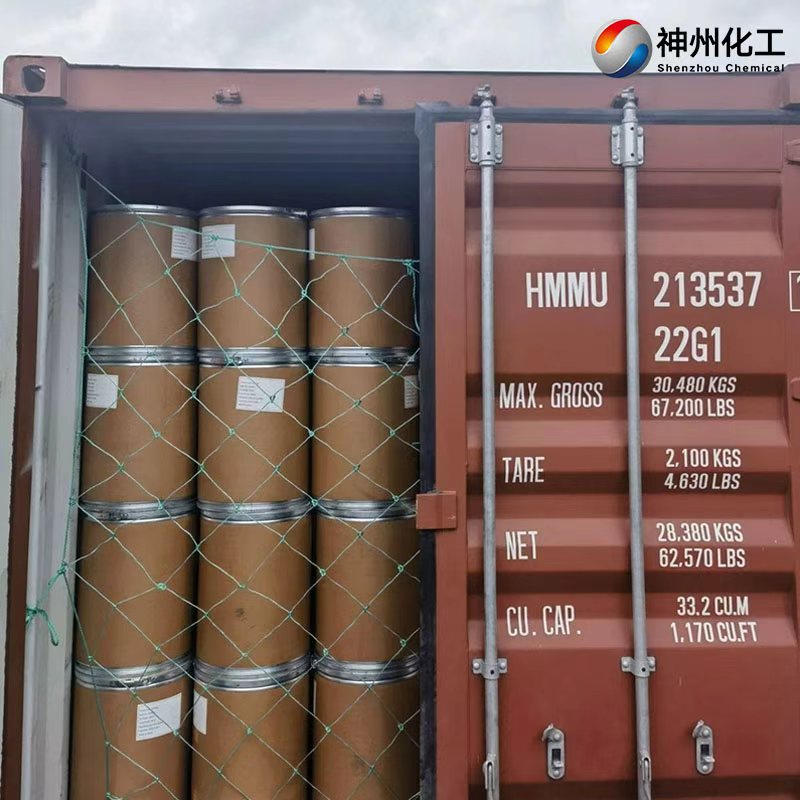
Fast delivery time
Inventory 2-3 working days New production 7-10 working days