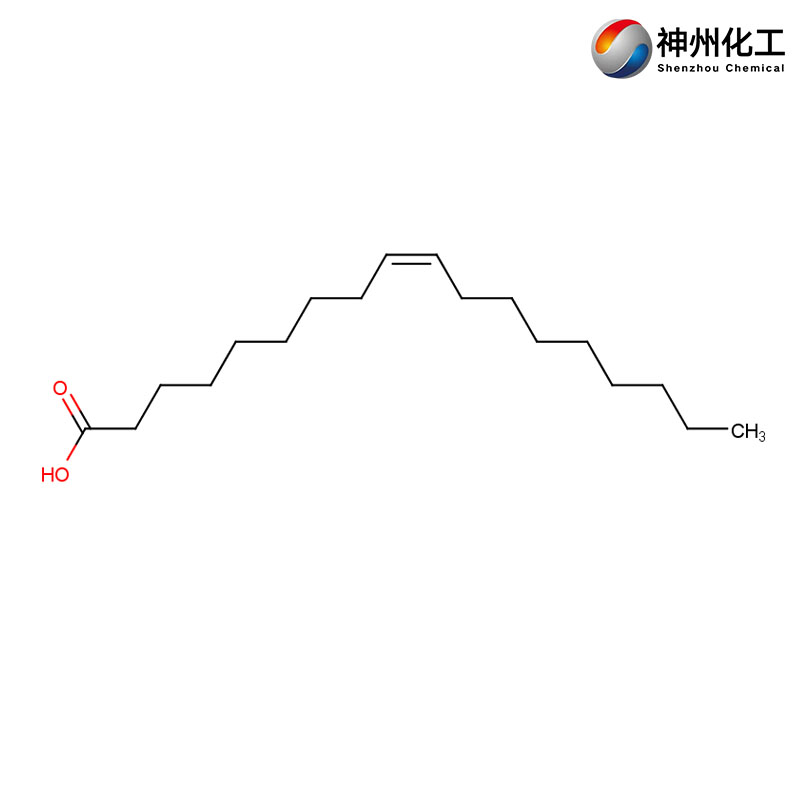
Oleic acid CAS#112-80-1
CAS Number: 112-80-1
Chemical Formula: C18H34O2
Synonyms:
9-cis-Octadecenoicacid;
9-Octadecenoic acid,
cis-;9Octadecenoicacid(9Z)
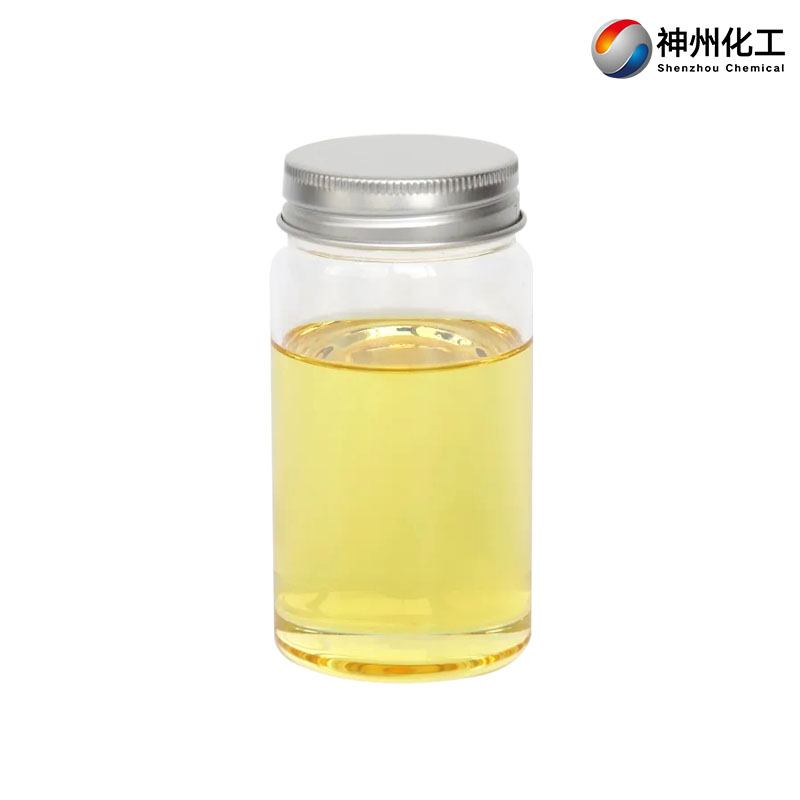
Appearance: Colorless to pale yellow clear oily liquid
HS Code: 29161500
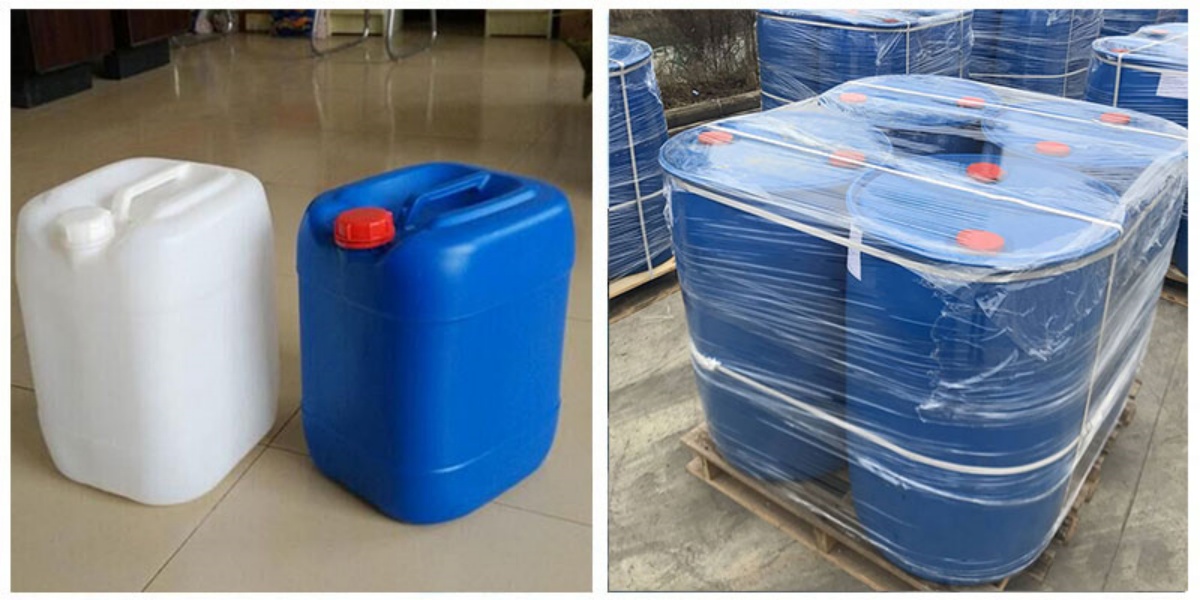
MOQ (Minimum Order Quantity): 1 FCL (Full Container Load)
Products Description of Oleic acid CAS112-80-1
Oleic acid is an unsaturated fatty acid with a carbon-carbon double bond in its molecular structure. It is a constituent fatty acid of olein and the most widely distributed natural unsaturated fatty acid. Obtained through the hydrolysis of fats and oils, its chemical formula is CH₃(CH₂)₇CH=CH(CH₂)₇·COOH. Glyceryl oleate is one of the main components of olive oil, palm oil, lard, and other animal and vegetable oils. Industrial-grade oleic acid typically contains 7–12% saturated fatty acids (palmitic acid, stearic acid) and small amounts of other unsaturated fatty acids (linoleic acid).
Parameters
Melting point | 13-14 °C(lit.) |
Boiling point | 360 °C |
density | 0.89 g/mL at 25 °C(lit.) |
vapor density | 1.03 (vs air) |
vapor pressure | 52 mm Hg ( 37 °C) |
refractive index | n20/D1.377 |
FEMA | 2815 | OLEIC ACID |
Fp | 133 °F |
storage temp. | -20°C |
solubility | Miscible with ethanol, ether, acetone, chloroform, dimethyl formamide and dimethyl sulfoxide. |
form | Liquid |
pka | pKa 5.35(H2O,t =25) (Uncertain) |
Specific Gravity | 0.892 (20/4℃) |
color | Colorless to pale yellow |
Odor | Peculiar Lard-Like |
Odor Type | fatty |
biological source | plant (Sunflower) |
Water Solubility | negligible |
Sensitive | Air Sensitive |
Merck | 14,6828 |
JECFA Number | 333 |
BRN | 1726542 |
Hydrophilic-Lipophilic Balance (HLB) | 1 |
Dielectric constant | 2.5(20℃) |
Stability: | Stable. Combustible. Incompatible with strong oxidizing agents, aluminium. |
InChIKey | ZQPPMHVWECSIRJ-KTKRTIGZSA-N |
LogP | 7.698 (est) |
CAS DataBase Reference | 112-80-1(CAS DataBase Reference) |
NIST Chemistry Reference | 9-Octadecenoic acid (Z)-(112-80-1) |
EPA Substance Registry System | Oleic acid (112-80-1) |
Safety Information
Hazard Codes | T,Xi |
Risk Statements | 23/24/25-34-40-43-36/37/38-38 |
Safety Statements | 36/37-37/39-26-36-36/37/39 |
RIDADR | UN 1198 3/PG 3 |
WGK Germany | 2 |
RTECS | LP8925000 |
F | 10 |
Autoignition Temperature | 363°C |
TSCA | Yes |
HS Code | 29161500 |
Hazardous Substances Data | 112-80-1(Hazardous Substances Data) |
Toxicity | LD50 i.v. in mice: 230±18 mg/kg (Or, Wretlind) |
Product Application of Oleic acid CAS112-80-1
Cosmetics and personal care are one of the main applications of oleic acid. It is an essential raw material for making soap, soap bars and body washes. In skin care products, moisturizers, and shampoos, oleic acid helps to blend water and oil (emulsify), and it also has excellent skin penetration and moisturizing effects.
It can undergo epoxidation to produce epoxy oleate, which is used as a plasticizer. Through oxidation, it can be converted into azelaic acid—a raw material for polyamide resins. Additionally, oleic acid serves as a pesticide emulsifier, printing and dyeing auxiliary, industrial solvent, metal mineral flotation agent, and mold release agent. It is also a raw material for carbon paper, ballpoint pen oil, and typing stencil paper. Various oleate products are important derivatives of oleic acid. As a chemical reagent, it is used as a chromatographic reference sample and in biochemical research for the detection of elements such as calcium, copper, magnesium, and sulfur.
Factory and Equipment Show
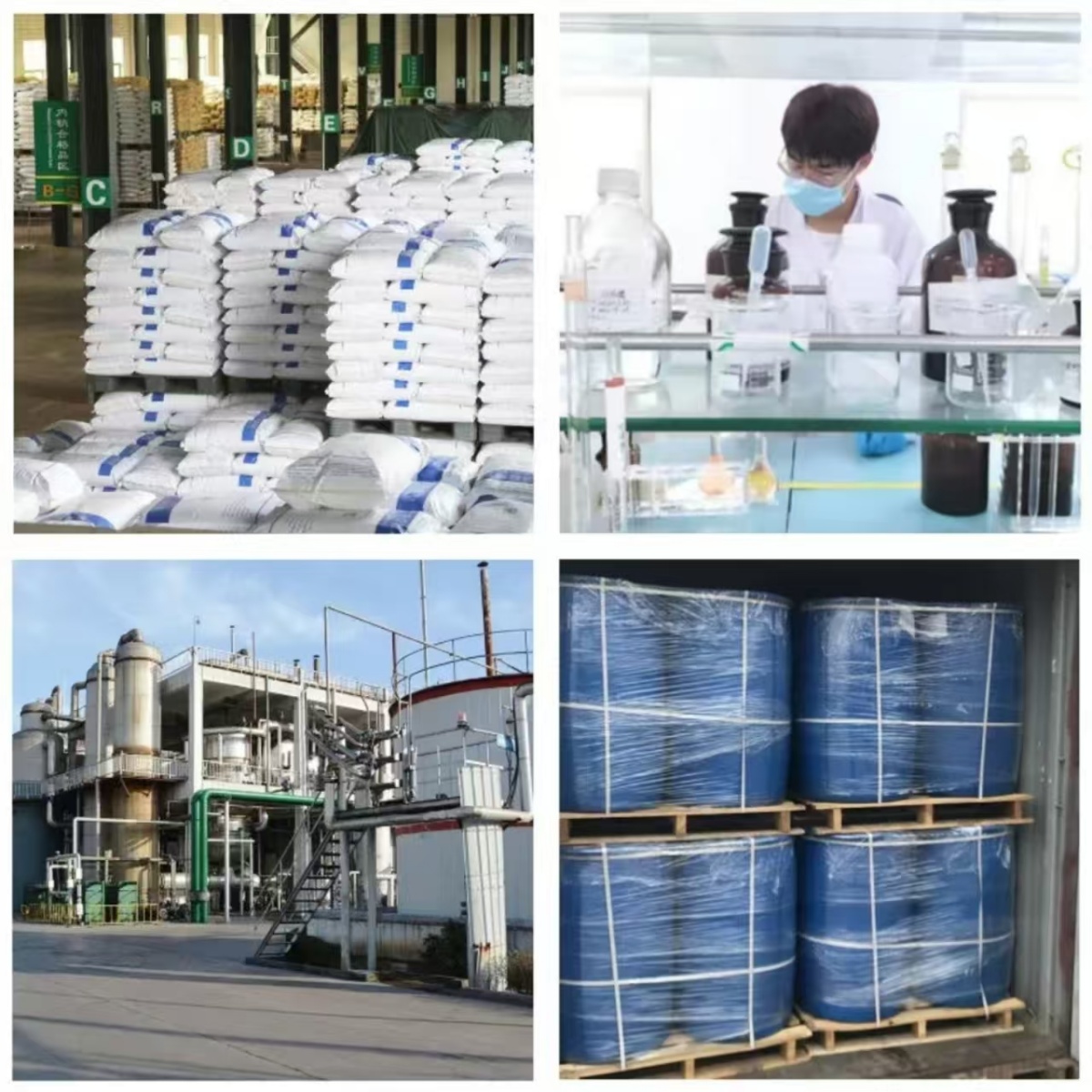
Fast delivery time
Inventory 2-3 working days New production 7-10 working days