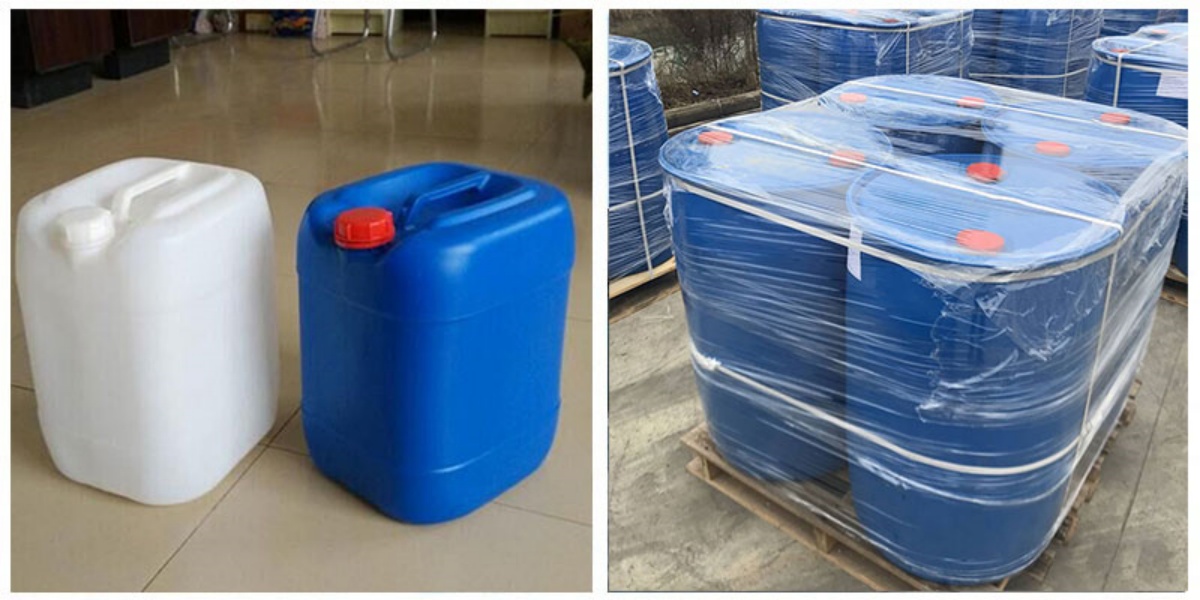
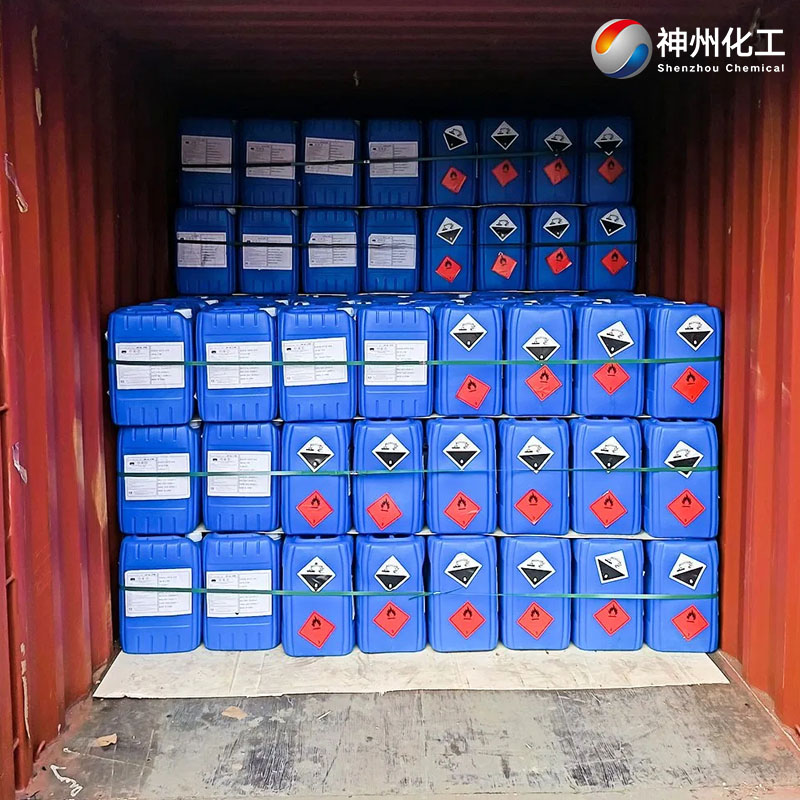
99.8% Acetic Acid CAS#64-19-7
CAS Number: 64-19-7
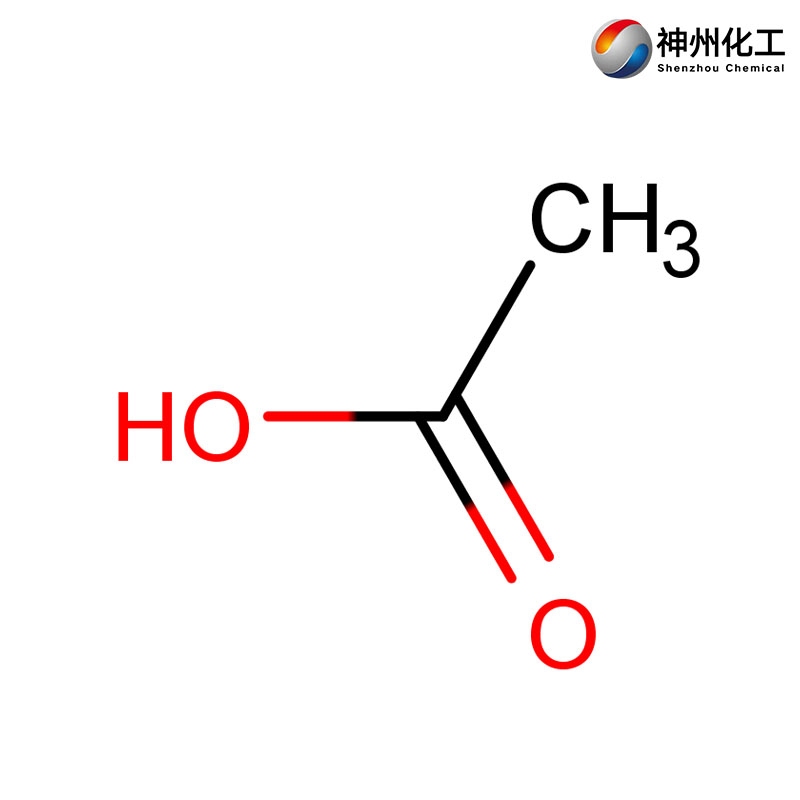
Chemical Formula: CH₃COOH
Synonyms:
Ethanoic acid
Ethylic acid
Methanecarboxylic acid
Vinegar acid
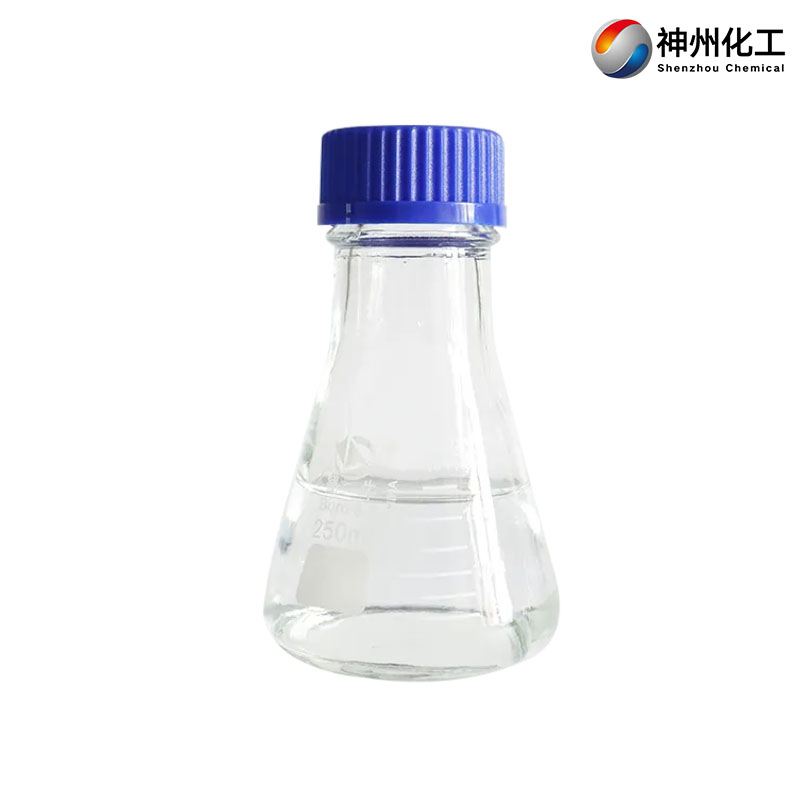
Appearance: Colorless clear liquid
HS Code: 2915211900
MOQ (Minimum Order Quantity): 1 FCL (Full Container Load)
Product Description – 99.8% Acetic Acid CAS#64-19-7
99.8% Acetic Acid is also commonly known as glacial acetic acid. The term "glacial" refers to the fact that pure acetic acid will solidify into colorless crystals resembling ice when the temperature drops below 16.6℃. 99.8% purity basically represents anhydrous acetic acid, which is extremely concentrated pure acetic acid. At room temperature, it is a colorless and transparent liquid with a very pungent sour smell. It can be miscible with water, ethanol, and ether in any proportion. The aqueous solution is strongly acidic. It is highly volatile, a volatile organic acid, and is corrosive.
Parameters
Melting point | 16.2 °C(lit.) |
Boiling point | 117-118 °C(lit.) |
density | 1.049 g/mL at 25 °C(lit.) |
vapor density | 2.07 (vs air) |
vapor pressure | 11.4 mm Hg ( 20 °C) |
refractive index | n20/D 1.371(lit.) |
FEMA | 2006 | ACETIC ACID |
Fp | 104 °F |
storage temp. | Store below +30°C. |
solubility | alcohol: miscible(lit.) |
form | Solution |
pka | 4.74(at 25℃) |
Specific Gravity | 1.0492 (20℃) |
color | colorless |
Odor | Strong, pungent, vinegar-like odor detectable at 0.2 to 1.0 ppm |
PH | 3.91(1 mM solution);3.39(10 mM solution);2.88(100 mM solution); |
PH Range | 2.4 (1.0M solution) |
Odor Threshold | 0.006ppm |
Odor Type | acidic |
explosive limit | 4-19.9%(V) |
Water Solubility | miscible |
λmax | λ: 260 nm Amax: 0.05 |
Merck | 14,55 |
JECFA Number | 81 |
BRN | 506007 |
Henry's Law Constant | 133, 122, 6.88, and 1.27 at pH values of 2.13, 3.52, 5.68, and 7.14, respectively (25 °C, Hakuta et al., 1977) |
Dielectric constant | 4.1(2℃) |
Exposure limits | TLV-TWA 10 ppm ~25 mg/m3) (ACGIH, OSHA, and MSHA); TLV-STEL 15 ppm (37.5 mg/m3) (ACGIH). |
Stability: | Volatile |
LogP | -0.170 |
CAS DataBase Reference | 64-19-7(CAS DataBase Reference) |
NIST Chemistry Reference | Acetic acid(64-19-7) |
EPA Substance Registry System | Acetic acid (64-19-7) |
Safety Information
Hazard Codes | C,Xi |
Risk Statements | 34-42-35-10-36/38 |
Safety Statements | 26-36/37/39-45-23-24/25 |
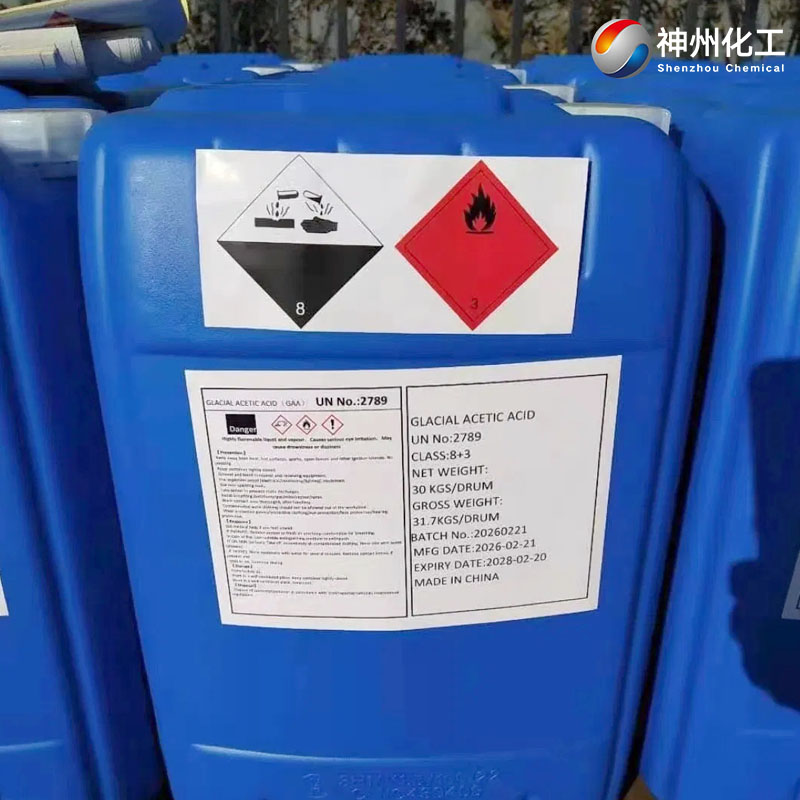
RIDADR | UN 1792 8/PG 2 |
WGK Germany | 3 |
RTECS | NN1650000 |
F | 1-8-10 |
Autoignition Temperature | 426 °C |
TSCA | Yes |
HazardClass | 8 |
PackingGroup | II |
HS Code | 29152100 |
Hazardous Substances Data | 64-19-7(Hazardous Substances Data) |
Toxicity | LD50 in rats (g/kg): 3.53 orally (Smyth) |
IDLA | 50 ppm |
Product Application
Acetic acid (99.8% Glacial Acetic Acid) is a bulk industrial chemical and one of the most vital organic acids in the global chemical industry. Its primary applications cover the production of vinyl acetate, acetic anhydride, diverse acetate esters and cellulose acetate. Vinyl acetate is the raw material for polyvinyl acetate, which is widely used in adhesives, plastic films, and also serves as the precursor for vinylon synthetic fiber; cellulose acetate is mainly applied to manufacture rayon fiber and photographic base film.
Acetic acid esters formed with low-molecular alcohols are premium industrial solvents, extensively adopted in coatings, paints and varnishes industries. Besides, glacial acetic acid acts as an inert solvent for large-scale oxidation reactions, such as the oxidation of p-xylene to terephthalic acid (PTA), the key monomer for PET polyester plastics.
In organic synthesis, it is an indispensable raw material for manufacturing acetic anhydride, diethyl malonate, ethyl acetoacetate, haloacetic acids, as well as pharmaceutical intermediates including aspirin and agrochemicals such as the 2,4-D herbicide.
It is also used to produce various metal acetates, including sodium acetate, manganese acetate, aluminum acetate, zinc acetate and cobalt acetate. These acetate salts work as catalysts or functional additives for textile printing & dyeing, leather tanning and other sectors. For instance, aluminum acetate is applied as a textile mordant and mild medical disinfectant; sodium acetate and potassium acetate are widely used pH buffering agents in biochemical experiments and biological research.
In the food industry, glacial acetic acid functions as an acidulant, flavor enhancer and food seasoning. It is diluted to 4%–5% concentration and blended with natural flavors to prepare synthetic edible vinegar, which is an economical and efficient production method.
Glacial acetic acid is highly corrosive; direct contact will cause severe skin irritation, blisters and tissue burns. It is rated as GHS Skin Corrosion Category 1A hazardous substance, hence proper personal protective equipment and standardized safety operations are mandatory throughout handling, storage and transportation.
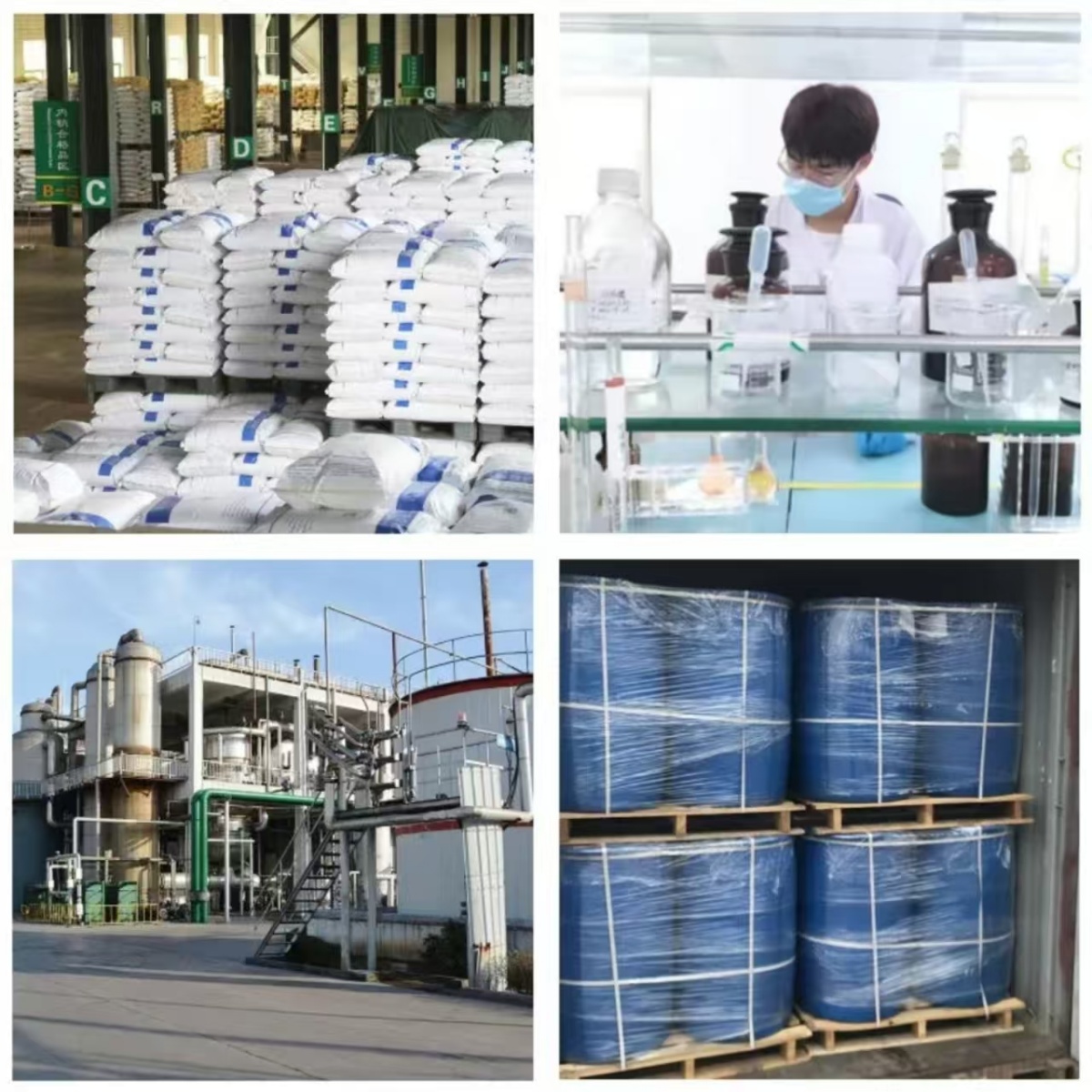
Factory and Equipment Show
Delivery time
Inventory 2-3 working days New production 7-10 working days