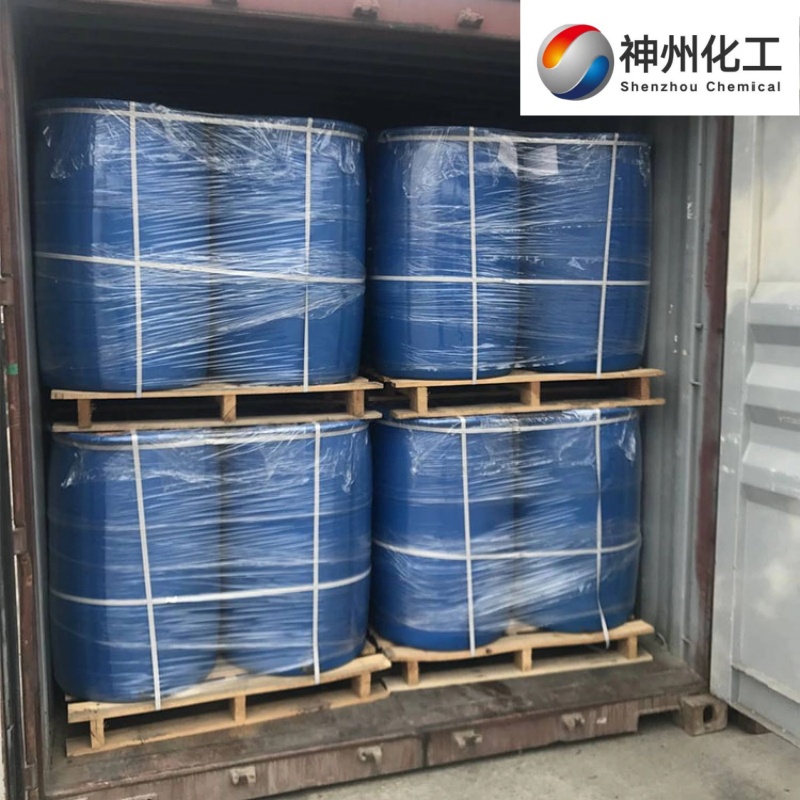
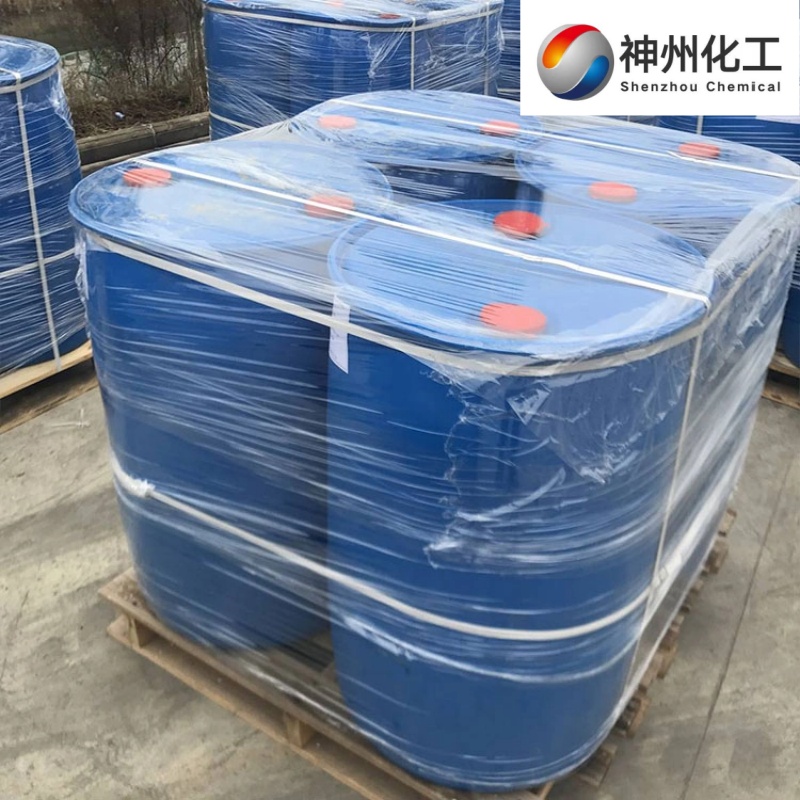
Xylene CAS#1330-20-7
CAS Number: 1330-20-7
Chemical Formula: C8H10
Synonyms:
SCINTIVERSE I COCKTAIL
HYDRANAL XYLENE;XYLENES
XYLENE MIXTURE OF ISOMERS, 4X25 ML
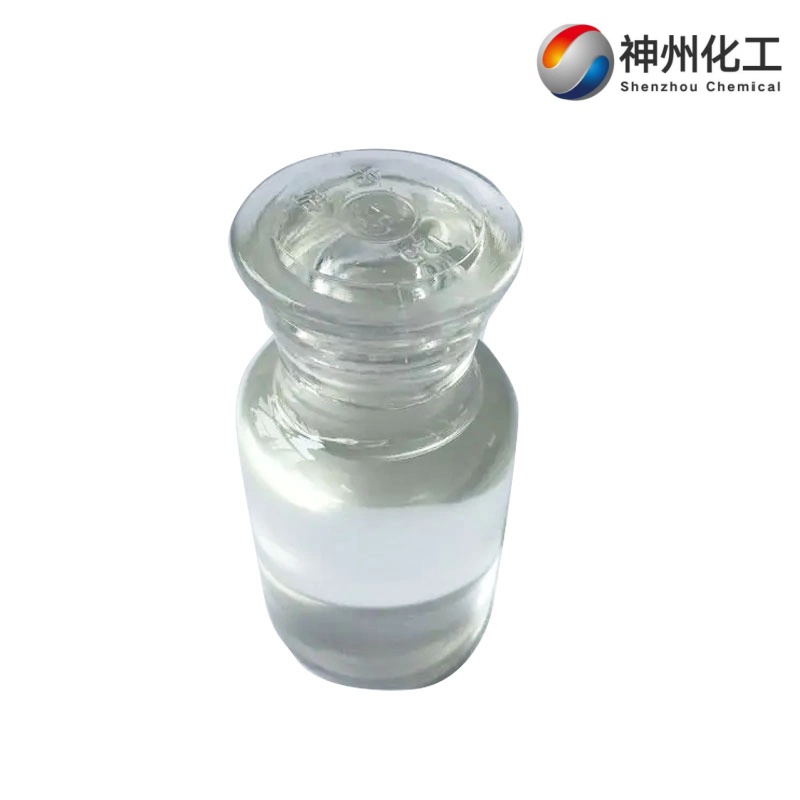
Appearance: Colorless liquid
HS Code: 29024400
MOQ (Minimum Order Quantity): 1 FCL (Full Container Load)
Products Description of Xylene CAS#1330-20-7
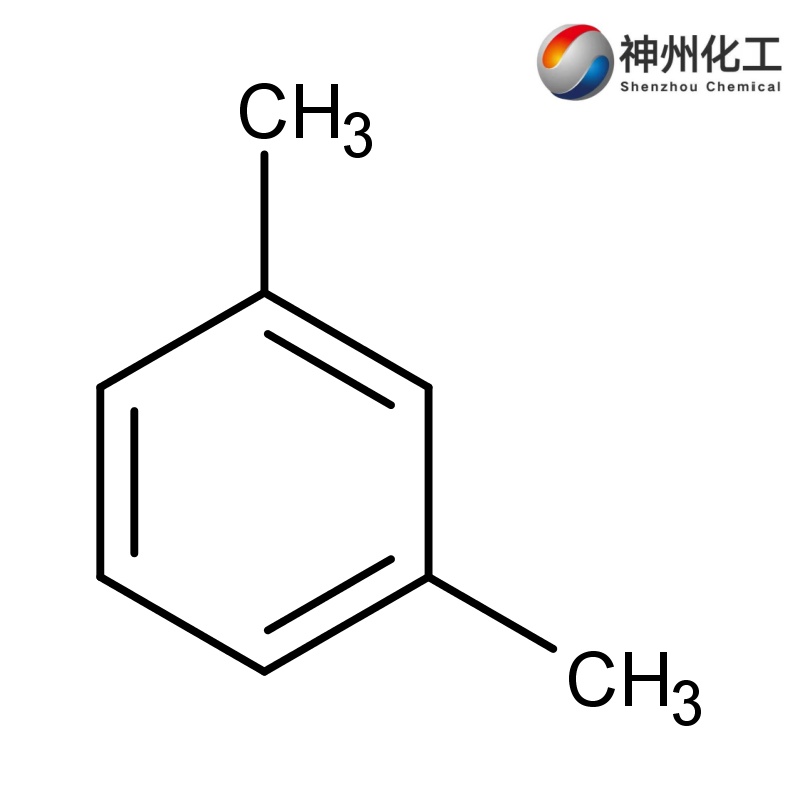
Xylene (dimethylbenzene) is a colorless, transparent liquid with an aromatic odor. It is formed when two hydrogen atoms on the benzene ring are substituted by methyl groups, with a boiling point of 137–140°C. Based on the positions of the two methyl groups, xylene has three isomers: o-xylene, m-xylene, and p-xylene. Industrially, xylene refers to a mixture of these isomers and ethylbenzene, with common grades being premium and first-class products (per Chemicalbook) featuring 3°C and 5°C distillation ranges for purified water.
It is miscible with ethanol, chloroform, or ether in any proportion but insoluble in water. Xylene is widely used as an organic solvent and in the synthesis of medicines, coatings, resins, dyes, explosives, and pesticides. It is moderately toxic and has certain carcinogenicity. Xylene pollution mainly originates from synthetic fibers, plastics, fuels, rubber, additives in various coatings, various adhesives, waterproof materials, as well as combustion gases from fuels and tobacco leaves.
Parameters
Melting point | -34 °C |
Boiling point | 137-140 °C (lit.) |
density | 0.86 g/mL at 25 °C (lit.) |
vapor density | 3.7 (vs air) |
vapor pressure | 18 mm Hg ( 37.7 °C) |
refractive index | n20/D 1.497(lit.) |
Fp | 77 °F(lit.) |
storage temp. | Flammables area |
solubility | Chloroform (Soluble), Methanol (Slightly) |
form | Liquid |
color | APHA: ≤10 |
Odor | char. sweet odor |
explosive limit | 7% |
Water Solubility | <0.1 g/L (20 ºC) |
Merck | 14,10081 |
BRN | 1901563 |
Exposure limits | ACGIH: TWA 100 ppm; STEL 150 ppm |
Dielectric constant | 10.0(Ambient) |
Stability: | Volatile, flammable and its vapors form explosive mixtures with air at room temperature. |
InChIKey | KAKOUNRRKSHVJO-UHFFFAOYSA-N |
LogP | 3.16 at 20℃ |
CAS DataBase Reference | 1330-20-7(CAS DataBase Reference) |
IARC | 3 (Vol. 47, 71) 1999 |
EPA Substance Registry System | Xylene (1330-20-7) |
Safety Information
Hazard Codes | Xn,F |
Risk Statements | 10-20/21-38-36/38-65-48/20 |
Safety Statements | 25-36/37-62 |
RIDADR | UN 1307 3/PG 3 |
OEB | A |
OEL | TWA: 100.0 ppm; 435.0 mg/m3, STEL: 150.0 ppm; 655.0 mg/m3 |
WGK Germany | |
RTECS | ZE2100000 |
Autoignition Temperature | 867 °F |
TSCA | Yes |
HazardClass | 3 |
PackingGroup | II |
HS Code | 29024400 |
Hazardous Substances Data | 1330-20-7(Hazardous Substances Data) |
Toxicity | LD50 oral in rat: 4300mg/kg |
Product Application of Xylene CAS#1330-20-7
Xylene serves as a chemical feedstock in the chemical industry, and its side methyl groups can undergo oxidation to form carboxyl groups (COOH), producing carboxylic acids. The specific acid generated depends on the xylene isomer being oxidized: o-xylene oxidation yields phthalic acid, while p-xylene oxidation produces terephthalic acid.
Terephthalic acid is a key feedstock for polyester production. It reacts with ethylene glycol to form the ester polyethylene terephthalate (PET), one of the most common plastics used in food and beverage containers. PET containers are marked with recycling symbol "1" and are sold under various commercial names—including the generic "polyester," as well as brand names like Dacron (fibers) and Mylar (thin films).
While all three xylene isomers are used as chemical feedstocks, p-xylene has the highest demand (driven by terephthalic acid production) and m-xylene has the lowest. Globally, approximately 30 million tons of xylenes are consumed each year.
Factory and Equipment Show
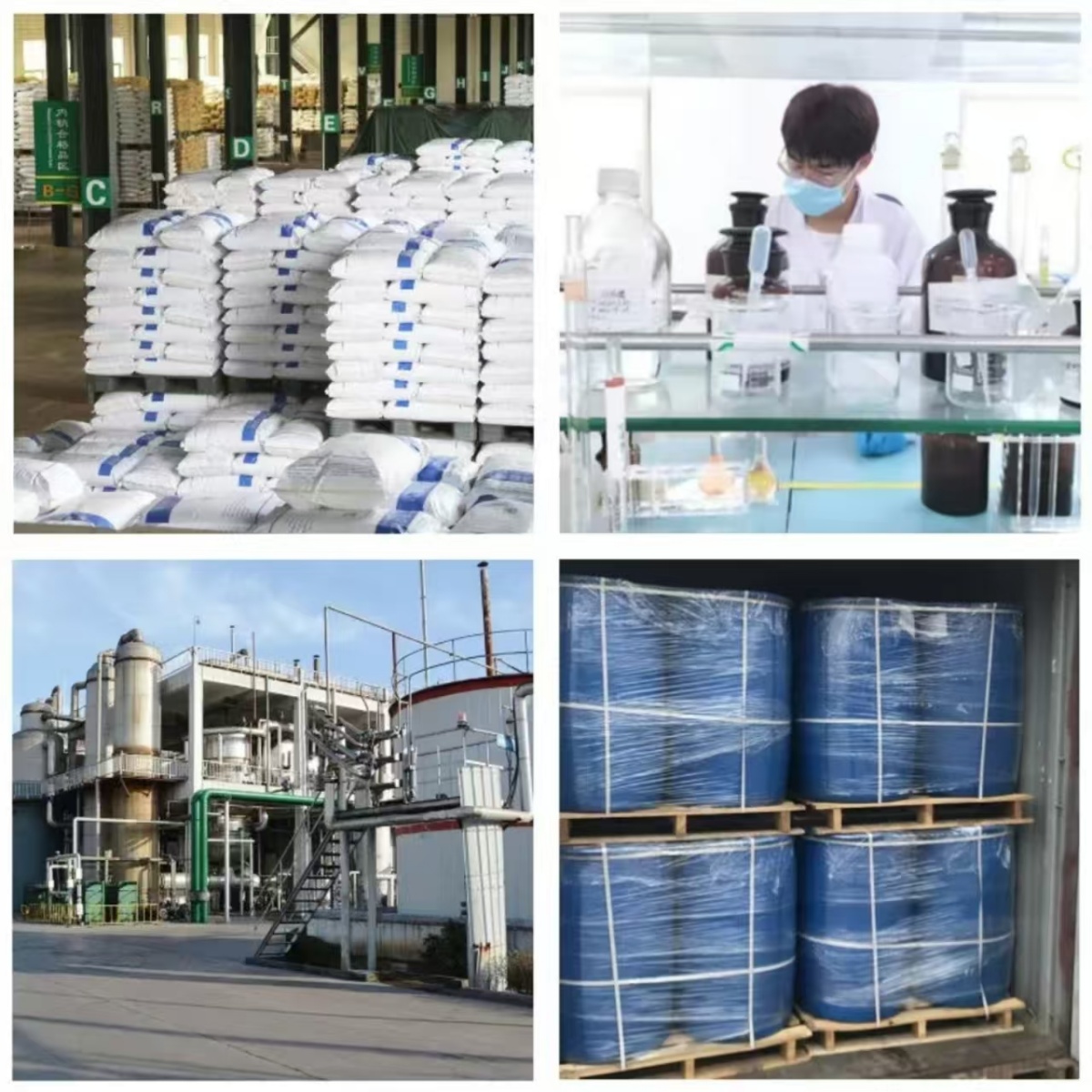
Fast delivery time
Inventory 2-3 working days New production 7-10 working days