Product Details
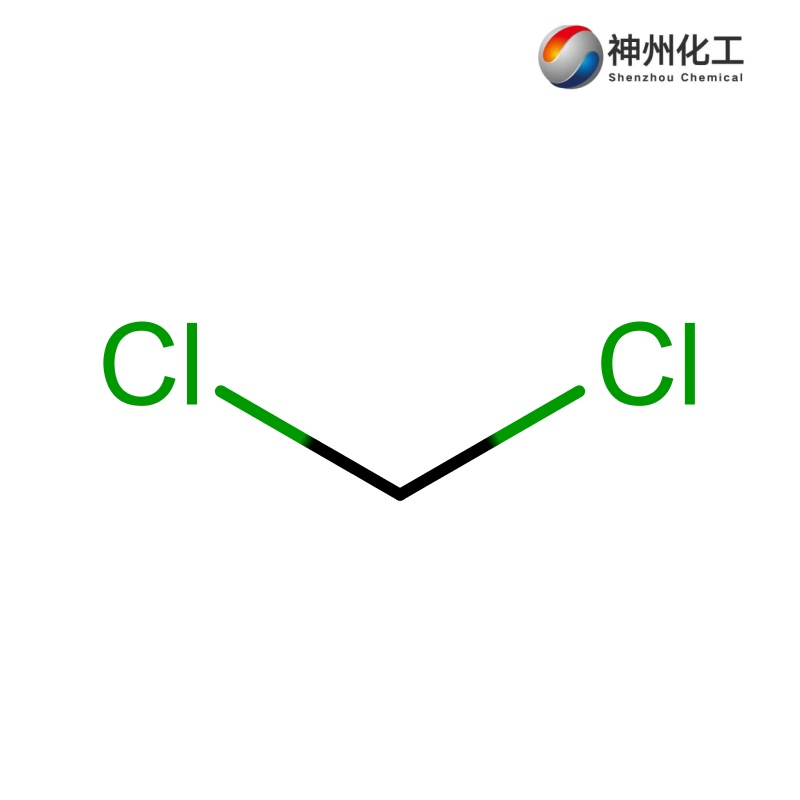
Dichloromethane CAS#75-09-2
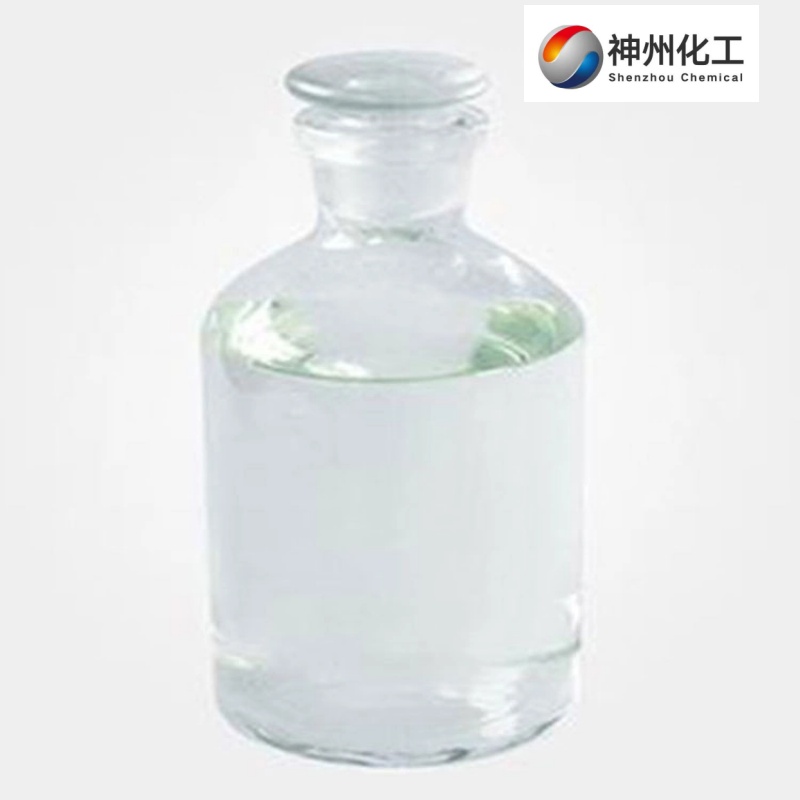
Dichloromethane is a colorless liquid characterized by an ethereal yet pungent odor. Owing to its miscibility with alcohols and ethers, coupled with its limited solubility in water, it has emerged as a high-performance solvent and an exceptionally versatile industrial chemical. Its applications span multiple fields: industrially, it serves as a solvent and paint stripper; in the pharmaceutical sector, it was once used as an inhalation anesthetic; and in agriculture, it functions as a growth regulator and fertilizer additive. Notably, high concentrations of dichloromethane exhibit narcotic effects and the substance is classified as carcinogenic. Inhalation of dichloromethane vapor can cause irritation to the nasal and pharyngeal mucosa, while also exerting adverse impacts on the central nervous system.
Dichloromethane Chemical Properties | |
Melting point | -97 °C |
Boiling point | 39.8-40 °C mm Hg(lit.) |
density | 1.325 g/mL at 25 °C(lit.) |
vapor density | 2.9 (vs air) |
vapor pressure | 24.45 psi ( 55 °C) |
refractive index | n20/D 1.424(lit.) |
Fp | 39-40°C |
storage temp. | room temp |
solubility | Miscible in ethyl acetate, alcohol, hexanes, methanol, diethyl ether, n-octanol, acetone benzene, carbon tetrachloride, diethyl ether and chloroform. |
form | Liquid |
color | APHA: ≤10 |
Specific Gravity | 1.329 (20/20℃) |
PH | 7 (20°C) |
Odor | Odor threshold 160 to 230 ppm |
Odor Threshold | 160ppm |
explosive limit | 13-22%(V) |
Water Solubility | 20 g/L (20 ºC) |
λmax | λ: 235 nm Amax: 1.00 |
Merck | 14,6063 |
BRN | 1730800 |
Henry's Law Constant | 2.49 at 30 °C (headspace-GC, Sanz et al., 1997) |
Exposure limits | TLV-TWA 50 ppm (~175 mg/m3) (ACGIH); carcinogenicity: Suspected Human Carcinogen (ACGIH), Animal Sufficient Evidence, Human Inadequate Evidence (IARC). |
Dielectric constant | 9.1(20℃) |
Stability: | Volatile |
LogP | 1.250 |
Surface tension | 26.5mN/m at 20°C |
CAS DataBase Reference | 75-09-2(CAS DataBase Reference) |
IARC | 2A (Vol. Sup 7, 71, 110) 2017 |
NIST Chemistry Reference | Methylene chloride(75-09-2) |
EPA Substance Registry System | Methylene chloride (75-09-2) |
Absorption | in accordance |
ECETOC JACC REPORT | Dichloromethane (75-09-2) |
| Safety Information | |
Hazard Codes | Xn,T,F,N,C |
Risk Statements | 40-39/23/24/25-23/24/25-11-67-36/37/38-68/20/21/22-20/21/22-50-37-34 |
Safety Statements | 23-24/25-36/37-45-16-7-26-61-36/37/39 |
RIDADR | UN 1593 6.1/PG 3 |
WGK Germany | 2 |
RTECS | PA8050000 |
F | 3-10 |
Autoignition Temperature | 556 °C |
Hazard Note | Harmful |
TSCA | Yes |
HS Code | 2903 12 00 |
HazardClass | 6.1 |
PackingGroup | III |
Hazardous Substances Data | 75-09-2(Hazardous Substances Data) |
Toxicity | LD50 orally in young adult rats: 1.6 ml/kg (Kimura) |
IDLA | 2,300 ppm |
Product Application of Dichloromethane CAS#75-09-2
1. Household Applications
Dichloromethane (DCM, also known as methylene chloride) is a key agent in bathtub refinishing and restoration projects, delivering efficient surface preparation for household renovation.
2. Industrial & Manufacturing Applications
As a high-performance industrial solvent, DCM is widely integrated into the production of pharmaceuticals, paint/varnish strippers, and specialized process solvents. Specifically, it serves as a core component in stripper formulations for removing paint and varnish coatings from diverse substrates; in the pharmaceutical sector, it acts as a critical solvent for synthesizing key antibiotics including cephalosporin and ampicillin.
3. Food & Beverage Manufacturing
DCM functions as a safe, efficient extraction solvent in food and beverage processing. Its applications include decaffeination of unroasted coffee beans and tea leaves, production of hop extracts for beer and flavored beverages, and extraction of natural flavors and active ingredients from spices for food seasoning.
4. Transportation Industry
Within the transportation sector, DCM is a primary degreasing agent for metal components and surfaces, covering railroad equipment/tracks and aircraft parts. It is also incorporated into automotive degreasing and lubrication products—for example, facilitating gasket removal and prepping metal surfaces for new gasket installation. Additionally, automotive and aerospace specialists rely on DCM vapor degreasing to eliminate grease and oils from precision components like car transistors, spacecraft assemblies, aircraft parts, and diesel engine components, enabling fast, safe cleaning of transportation systems.
5. Medical Industry
In medical and laboratory settings, DCM is used to extract active pharmaceutical ingredients (APIs) such as antibiotics, steroids, and vitamins from food and plant sources. It also serves as a gentle cleaner for heat-sensitive medical equipment, effectively removing contaminants without causing corrosion or structural damage to delicate components.
6. Photographic Film Production
Methylene chloride acts as a dedicated solvent in the manufacturing of cellulose triacetate (CTA), the base material for photographic safety films. When CTA is dissolved in DCM, the solvent evaporates to leave behind a uniform, durable acetate fiber matrix for film production.
7. Electronic Industry
For printed circuit board (PCB) manufacturing, DCM is employed to degrease the foil surface of PCB substrates. This critical pre-treatment step ensures the photoresist layer adheres evenly and securely to the board, laying the foundation for high-precision circuit patterning.
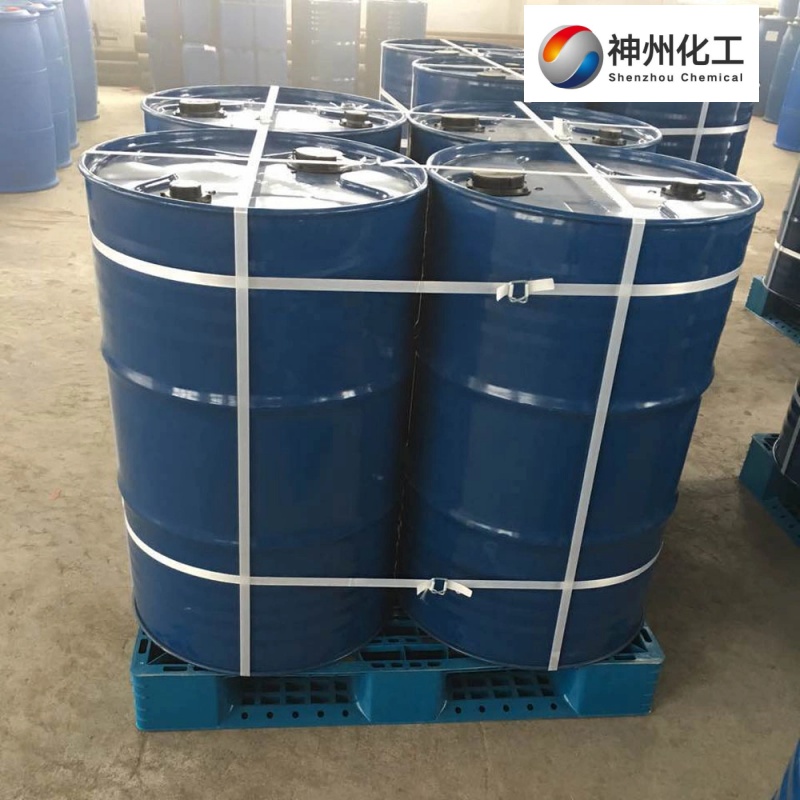
Factory and Equipment Show
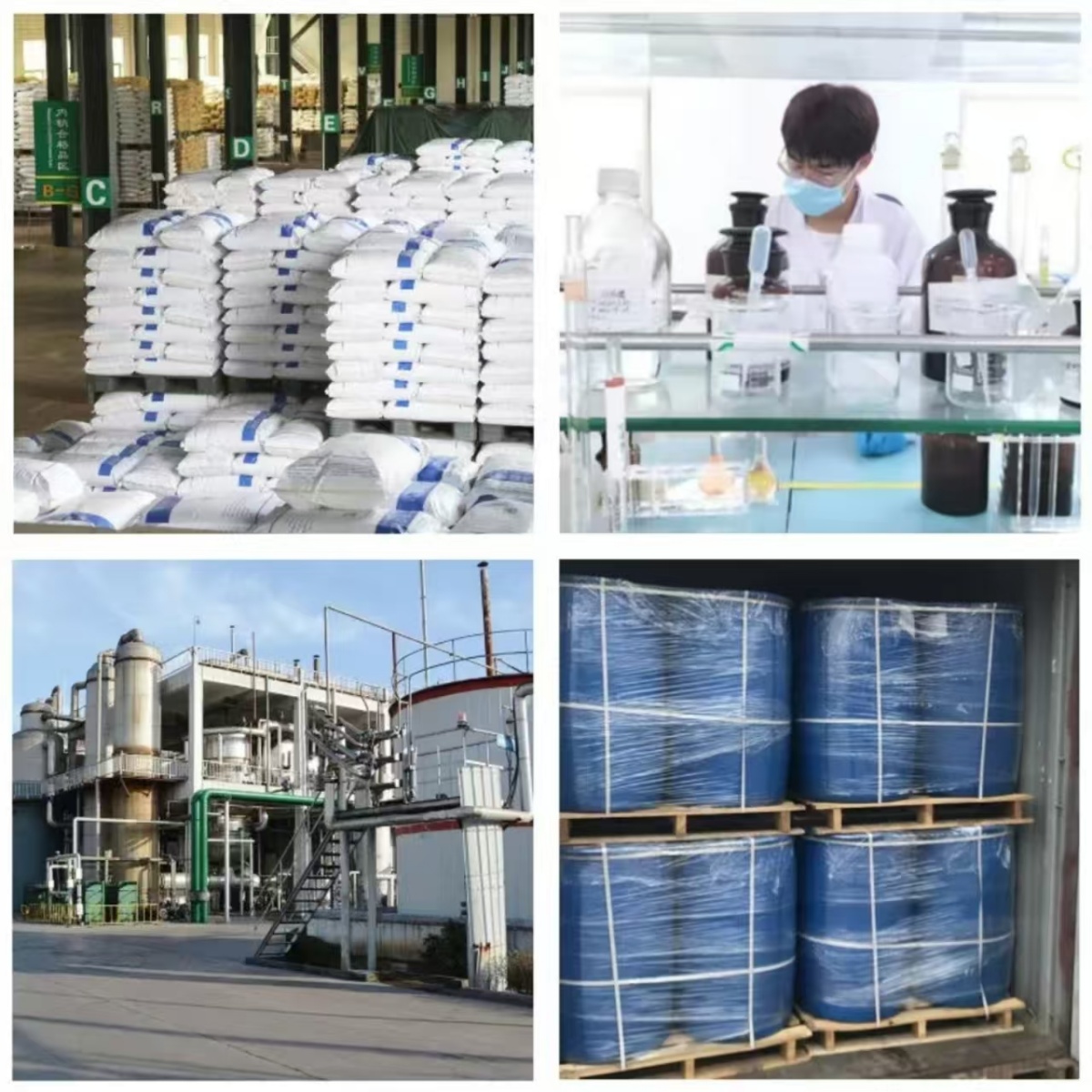
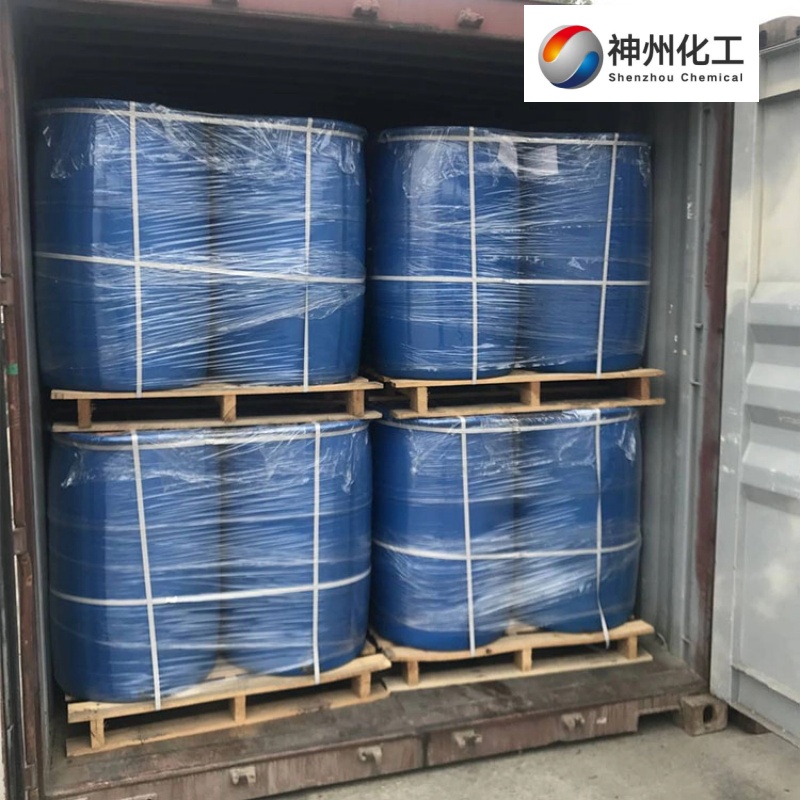
Fast delivery time
Inventory 2-3 working days New production 7-10 working days