Zinc Sulphate CAS#7733-02-0
CAS Number: 7733-02-0
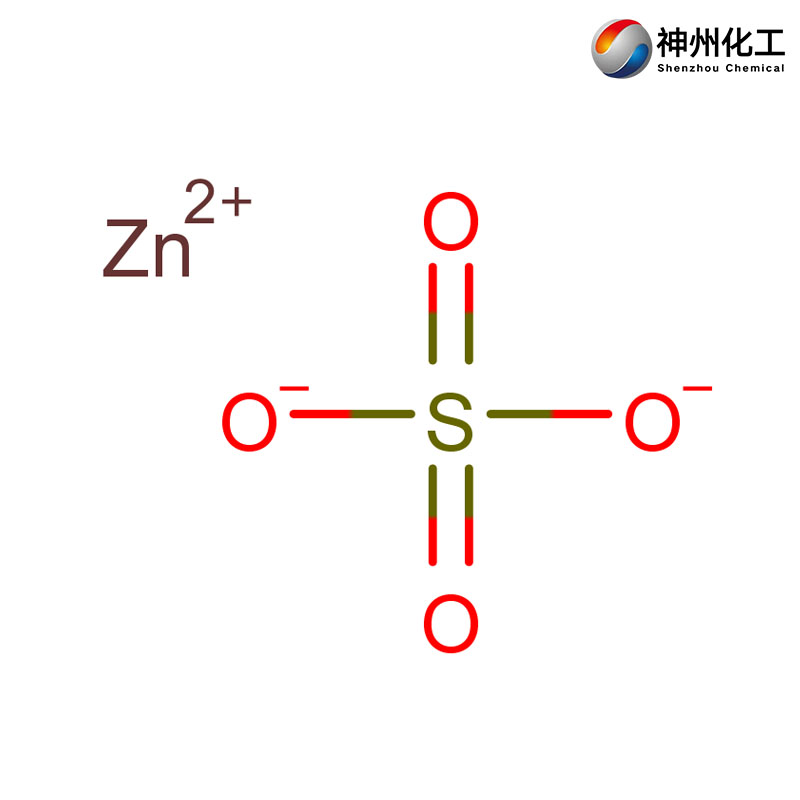
Chemical Formula: ZnSO4
Synonyms:
Bonazen
zinc sulfate solution
Bufopto zinc sulfate
ZINC(II)SULPHATE
ai3-03967
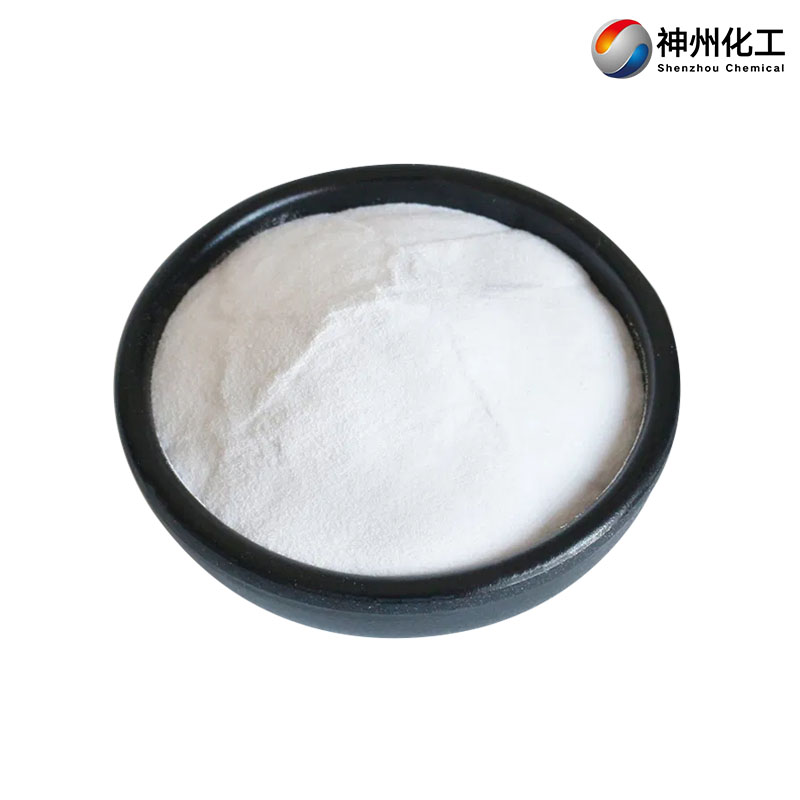
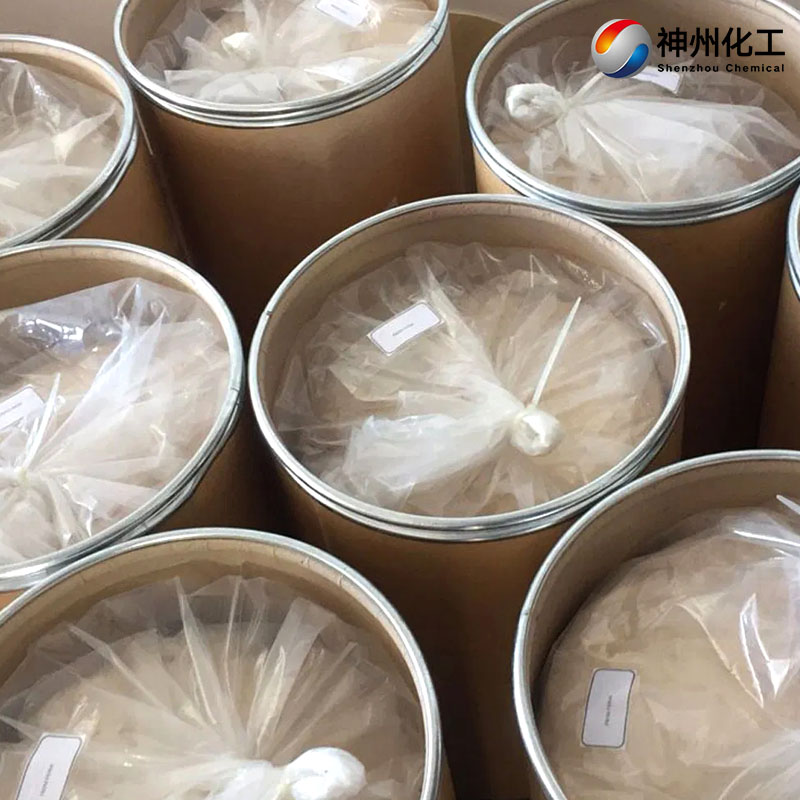
Appearance: White power
HS Code: 2833 29 20
MOQ (Minimum Order Quantity): 1 FCL (Full Container Load)
Products Description of Zinc sulphate CAS#7733-02-0
Zinc sulfate is a white crystalline compound soluble in water. It is produced by heating zinc sulfide ore in air, then dissolving and recrystallizing the resulting sulfate. Its common form is the heptahydrate (ZnSO₄·7H₂O), with a relative density (r.d.) of 1.9. This heptahydrate loses water above 30°C to form the hexahydrate; above 70°C, it loses more water to become the monohydrate. The anhydrous salt forms at 280°C and decomposes when heated above 500°C. Formerly known as "white vitriol," zinc sulfate is used as a mordant and a styptic (to stop bleeding).
Parameters
Melting point | 100°C |
Boiling point | 105°C (estimate) |
density | 1.31 g/mL at 20 °C |
storage temp. | Store at +15°C to +25°C. |
solubility | H2O: soluble |
form | |
color | White |
PH | |
Water Solubility | Soluble |
λmax |
λ: 260 nm Amax: <0.02 λ: 280 nm Amax: <0.02 |
Merck | 14,10159 |
LogP | -1.031 (est) |
CAS DataBase Reference | 7733-02-0(CAS DataBase Reference) |
NIST Chemistry Reference | Zinc sulfate(7733-02-0) |
EPA Substance Registry System | Zinc sulfate (7733-02-0) |
Safety Information
Hazard Codes | Xn,N,Xi |
Risk Statements | 52/53-50/53-41-22-51/53 |
Safety Statements | 61-39-26-60 |
RIDADR | UN 3082 9/PG 3 |
WGK Germany | 3 |
RTECS | ZH5260000 |
TSCA | Yes |
HS Code | 2833 29 20 |
HazardClass | 9 |
PackingGroup | III |
Hazardous Substances Data | 7733-02-0(Hazardous Substances Data) |
Product Application of Zinc sulphate CAS#7733-02-0
Zinc sulfate solution has multiple applications in laboratory and analytical processes. It is used as a component in culture media for in vitro hyphal growth assays. When expressing zinc-containing proteins, it is also added as a supplement to media along with isopropyl β-D-1-thiogalactopyranoside (IPTG). Additionally, it is used together with barium hydroxide to deproteinize colored or turbid whole blood, plasma, or serum samples—this is achieved through barium sulfate precipitation. The resulting supernatant or filtrate can then be used for subsequent glucose analysis via the Somogi-Nelson method.
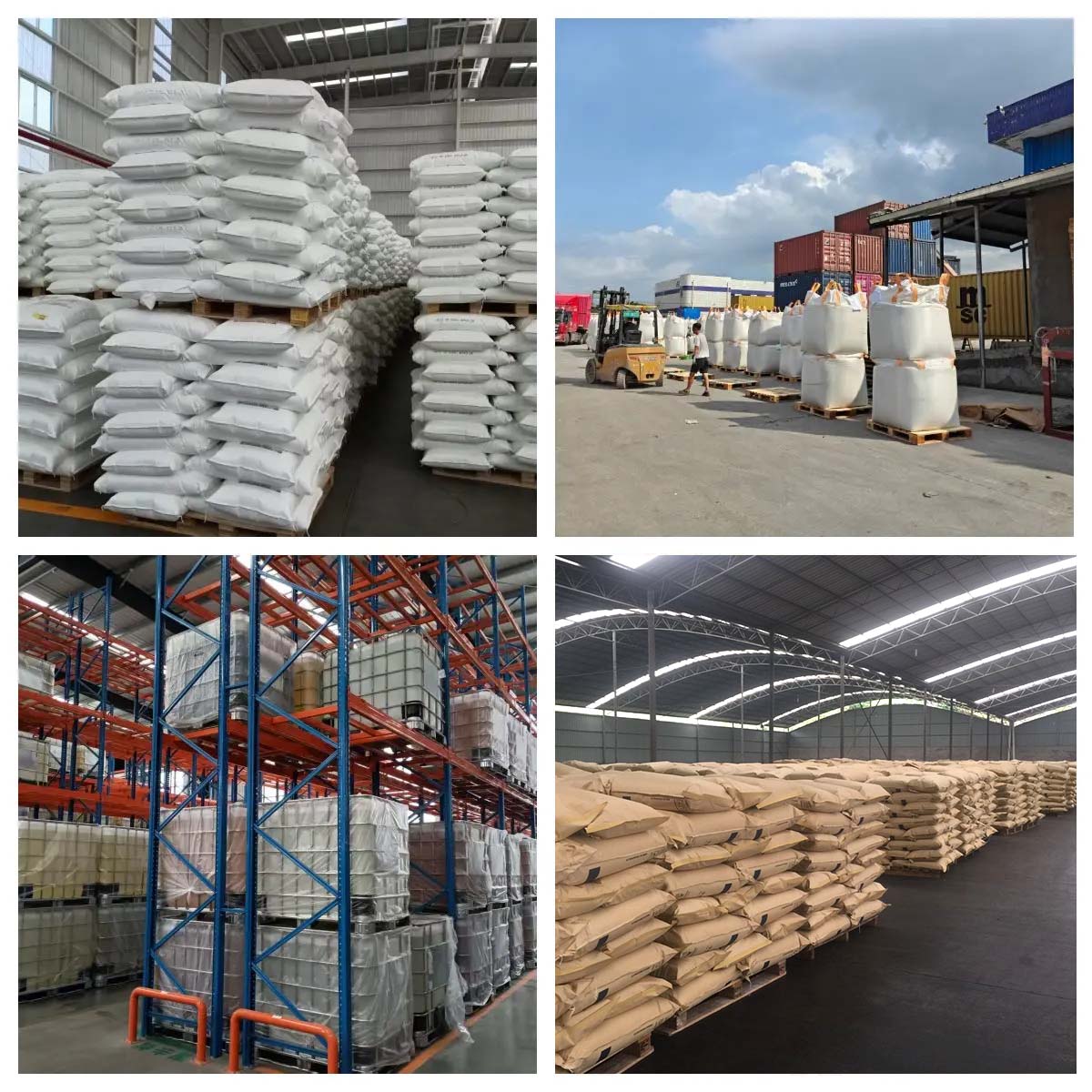
Factory and Equipment Show

Fast delivery time
Inventory 2-3 working days New production 7-10 working days