Sodium Thiosulfate CAS#7772-98-7
CAS Number: 7772-98-7
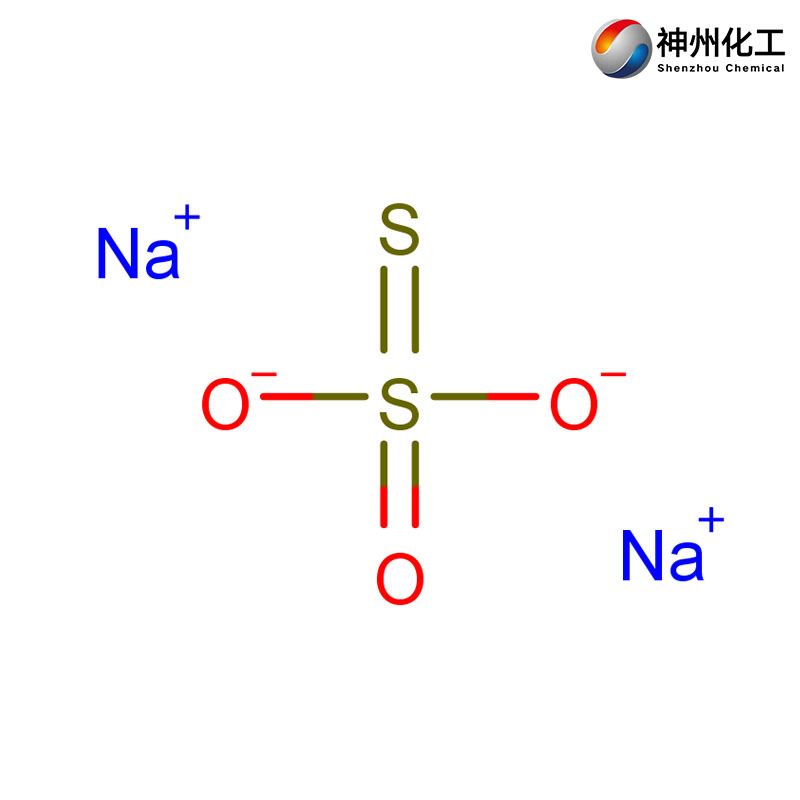
Chemical Formula:Na₂S₂O₃
Synonyms:
Metal and Ceramic Science
Salt solutionsSynthetic Reagents
S -ZSynthetic Reagents
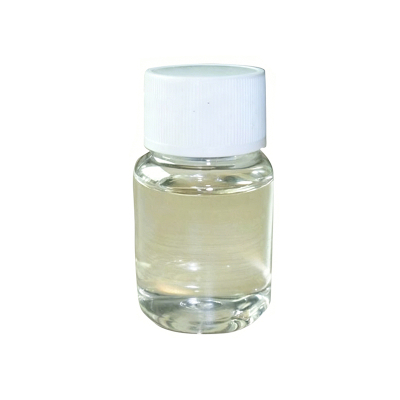
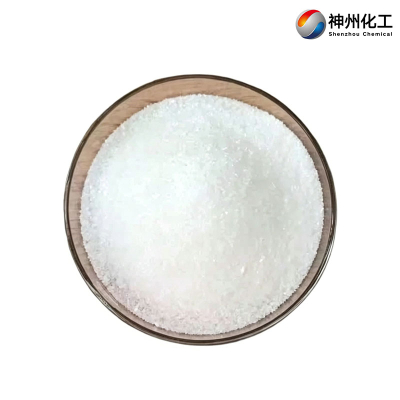
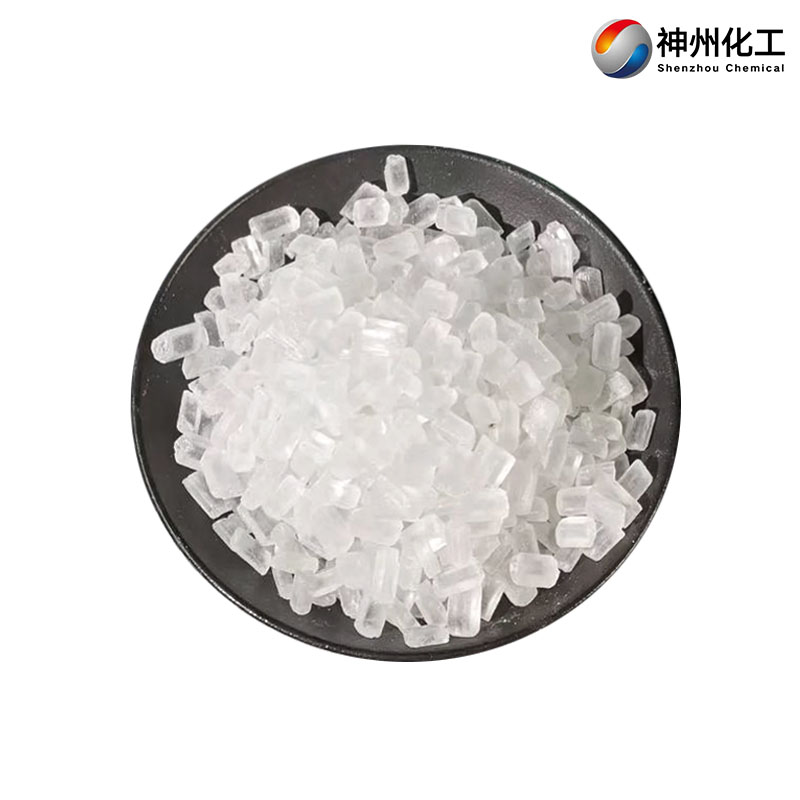
Appearance: Transparent crystalline solids or white crystalline powders
HS Code: 28323000
MOQ (Minimum Order Quantity): 1 FCL (Full Container Load)
Products Description of Sodium thiosulfate CAS#7772-98-7
It appears as colorless monoclinic crystals or a white crystalline powder. It is odorless and has a slightly salty taste, with a relative density of 1.667.It is soluble in water, with a solubility of 231 grams per 100 milliliters of water at 100°C, but insoluble in alcohol. It tends to deliquesce easily when exposed to air. Additionally, it possesses strong reducibility and decomposes when in an acidic solution.
Parameters
Melting point | 48°C |
Boiling point | 100°C |
bulk density | 1350kg/m3 |
density | 1.01 g/mL at 25 °C |
storage temp. | Store at +5°C to +30°C. |
solubility | Immiscible with alcohol. |
form | Solid |
Specific Gravity | 1.667 |
color | Colorless or white |
PH | 6.0-8.5 (25℃, 50mg/mL in H2O) |
Water Solubility | Soluble in water. Insoluble in alcohol. |
Sensitive | Hygroscopic |
Merck | 14,8694 |
Stability: | Stable. Incompatible with strong acids, strong oxidizing agents, iodine, mercury. |
InChIKey | AKHNMLFCWUSKQB-UHFFFAOYSA-L |
LogP | -0.428 (est) |
CAS DataBase Reference | 7772-98-7(CAS DataBase Reference) |
EPA Substance Registry System | Sodium thiosulfate (7772-98-7) |
Safety Information
Hazard Codes | Xi |
Risk Statements | 36/37/38 |
Safety Statements | 24/25-23-36-26 |
WGK Germany | 1 |
RTECS | XN6476000 |
F | 3 |
TSCA | Yes |
HS Code | 28323000 |
Hazardous Substances Data | 7772-98-7(Hazardous Substances Data) |
Toxicity | LD50 orally in Rabbit: > 5000 mg/kg |
Product Application of Sodium thiosulfate CAS#7772-98-7
Sodium thiosulfate (CAS No. 7772-98-7) has three key properties: reducibility, complexing ability, and detoxification. Its applications are wide-ranging: in the medical field, it is used for emergency treatment of cyanide poisoning and heavy metal poisoning, as well as for external treatments in dermatology. In chemical and industrial fields, it serves to remove residual chlorine and hexavalent chromium during water treatment, dechlorinate in textile printing and dyeing processes, and decompose hypochlorite in papermaking and pulping.
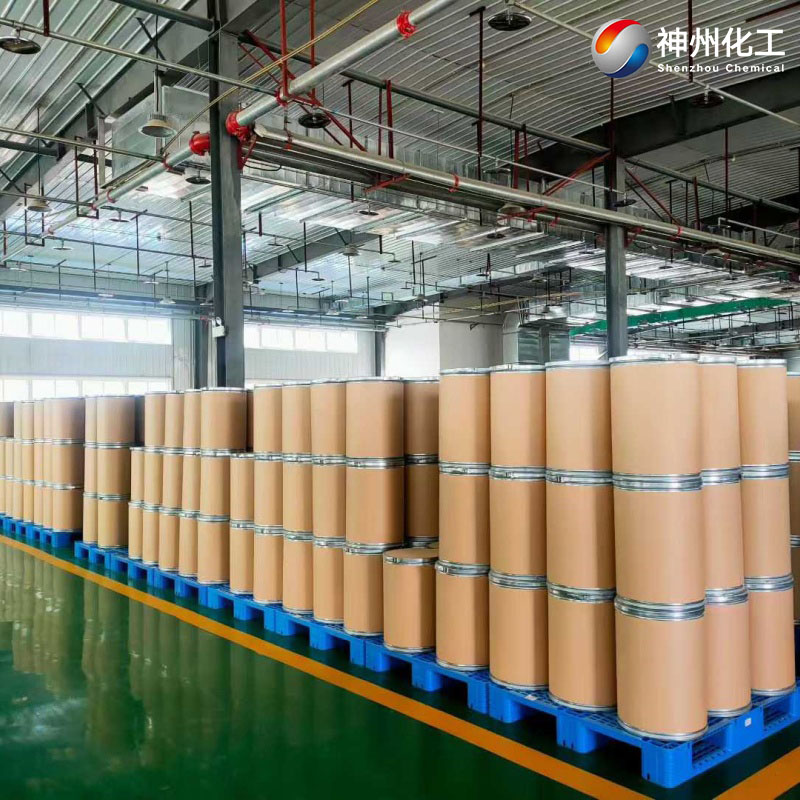
Factory and Equipment Show

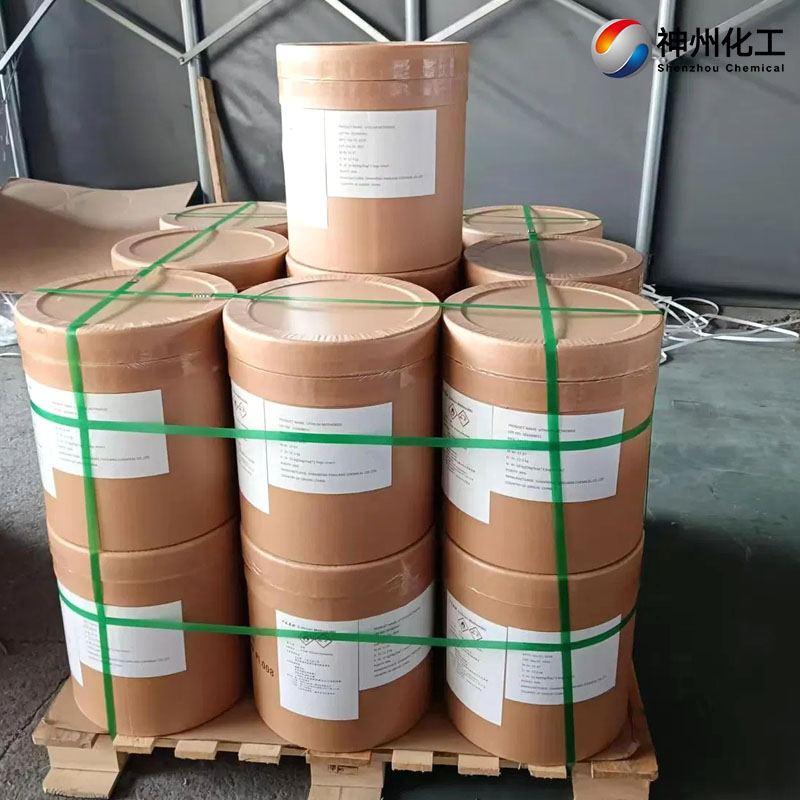
Fast delivery time
Inventory 2-3 working days New production 7-10 working days