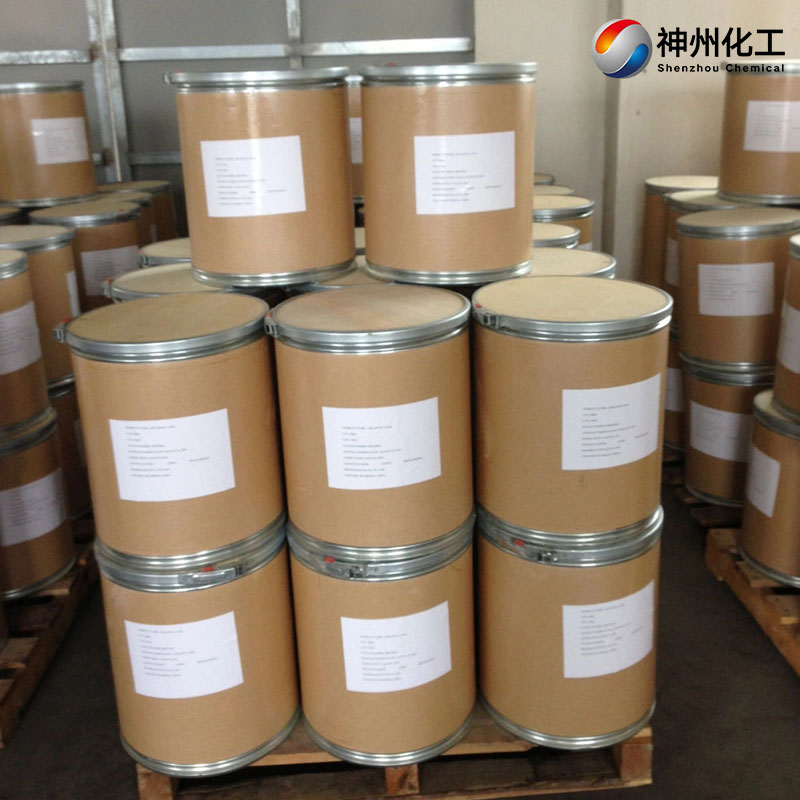
Products Description of Lithium carbonate CAS#554-13-2
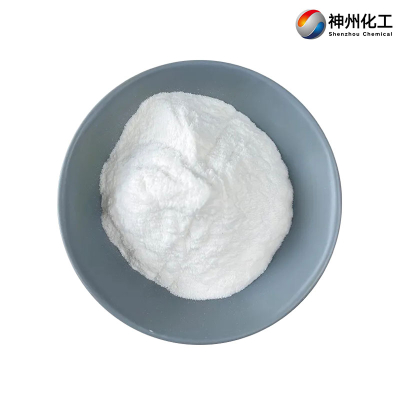
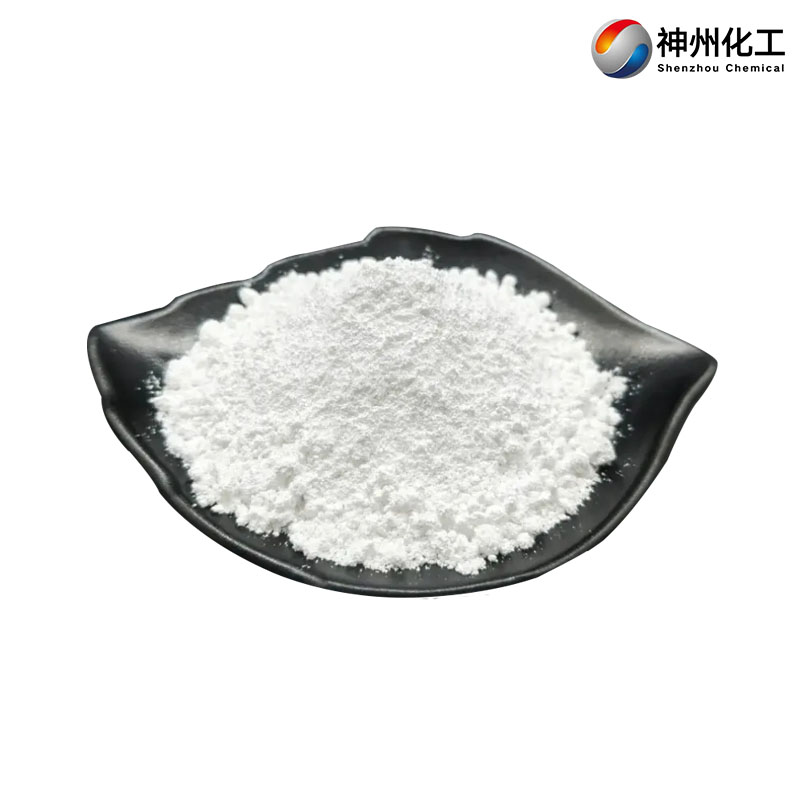
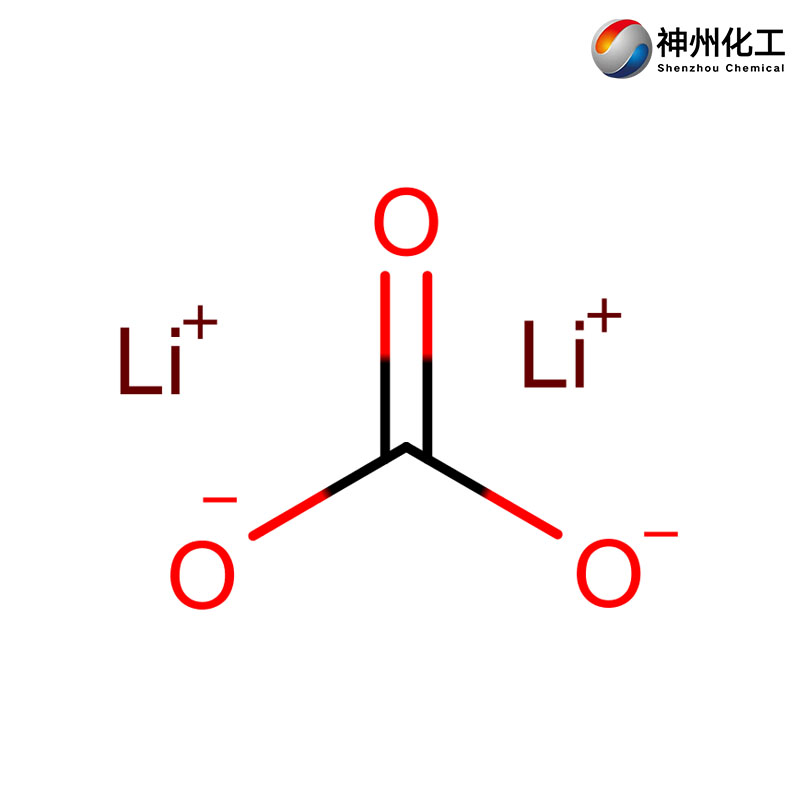
Lithium carbonate (molecular formula: Li₂CO₃; English name: lithium carbonate) exists as a colorless monoclinic crystal or white powder. It has a density of 2.11 and a melting point of 618℃. It does not deliquesce and remains stable in air, with low solubility in water—this solubility decreases as temperature rises.
Parameters
Melting point | 720 °C |
Boiling point | 1342 °C(lit.) |
bulk density | 250kg/m3 |
density | 2.11 g/mL at 25 °C |
Fp | 1310°C |
storage temp. | Store at +5°C to +30°C. |
solubility | 13g/l |
pka | pKa 6.38 (Uncertain);10.25 (Uncertain) |
form | Powder |
color | White |
Specific Gravity | 2.11 |
Flame Color | Blue |
Odor | odorless |
PH | 10-11 (5g/l, H2O, 20℃) |
Water Solubility | 13 g/L (20 ºC) |
Merck | 14,5527 |
BRN | 3999191 |
Solubility Product Constant (Ksp) | pKsp: 1.6 |
BCS Class | 1 |
InChIKey | XGZVUEUWXADBQD-UHFFFAOYSA-L |
LogP | -0.809 (est) |
CAS DataBase Reference | 554-13-2(CAS DataBase Reference) |
NIST Chemistry Reference | Lithium carbonate(554-13-2) |
EPA Substance Registry System | Lithium carbonate (554-13-2) |
Safety Information
Hazard Codes | Xn,C,F |
Risk Statements | 36/38-41-36/37/38-22-36-34-20/21/22-15-14-11 |
Safety Statements | 8-43-45-37/39-26-36/37-24/25-36/37/39-16-7/8-3/7/9 |
WGK Germany | 2 |
RTECS | OJ5800000 |
F | 10 |
TSCA | Yes |
HS Code | 28369100 |
Hazardous Substances Data | 554-13-2(Hazardous Substances Data) |
Toxicity | LD50 orally in rats: 0.71 g/kg (Smyth) |
Product Application of Lithium carbonate CAS#554-13-2
Industrial lithium carbonate has distinct applications in industry and medicine. Industrially, it serves as a raw material for manufacturing diverse lithium salts such as lithium chloride and lithium bromide. It also functions as a lithium oxide component in the production of enamel, glass, and ceramic enamel. In aluminum electrolysis processes, it is incorporated into electrolytic cells to optimize performance: specifically, it enhances current efficiency, reduces the internal resistance of the electrolytic cell, and decreases the temperature of the electrolytic bath. Medically, its primary use is in treating mania, and it also aids in improving emotional disturbances associated with schizophrenia.
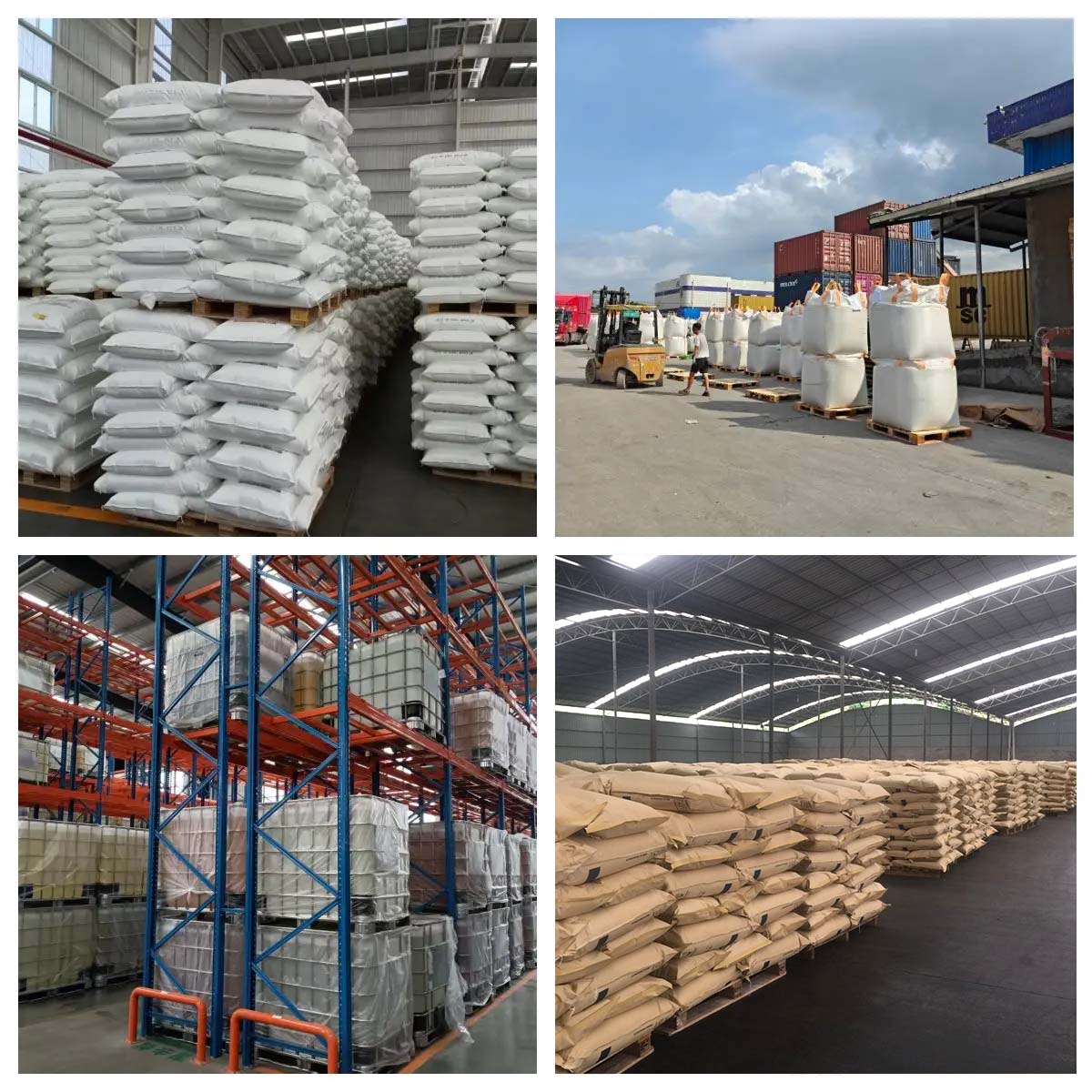
Factory and Equipment Show

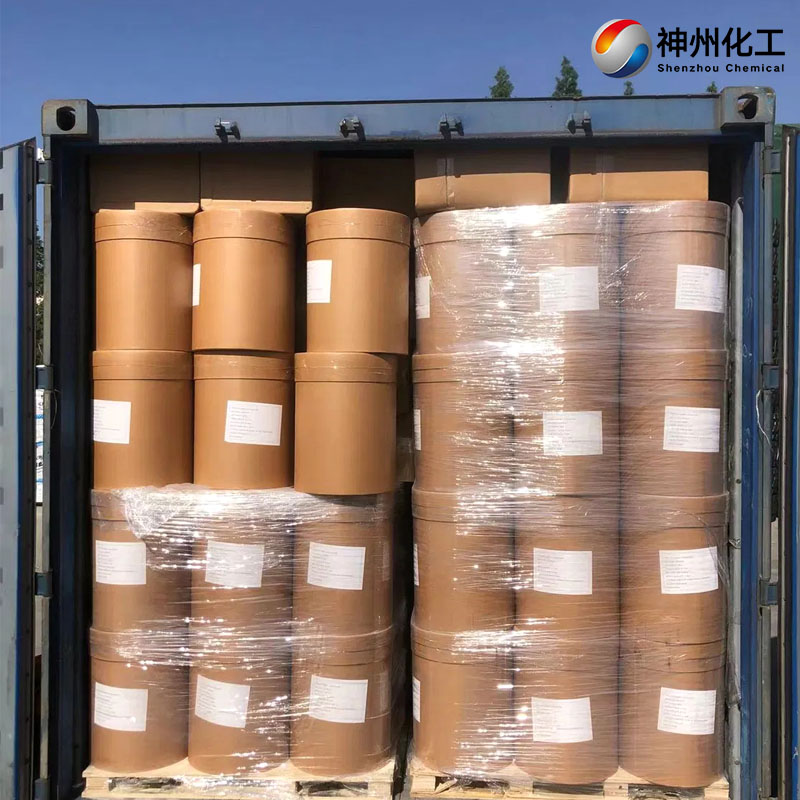
Fast delivery time
Inventory 2-3 working days New production 7-10 working days