Potassium carbonate CAS#584-08-7
CAS Number: 584-08-7
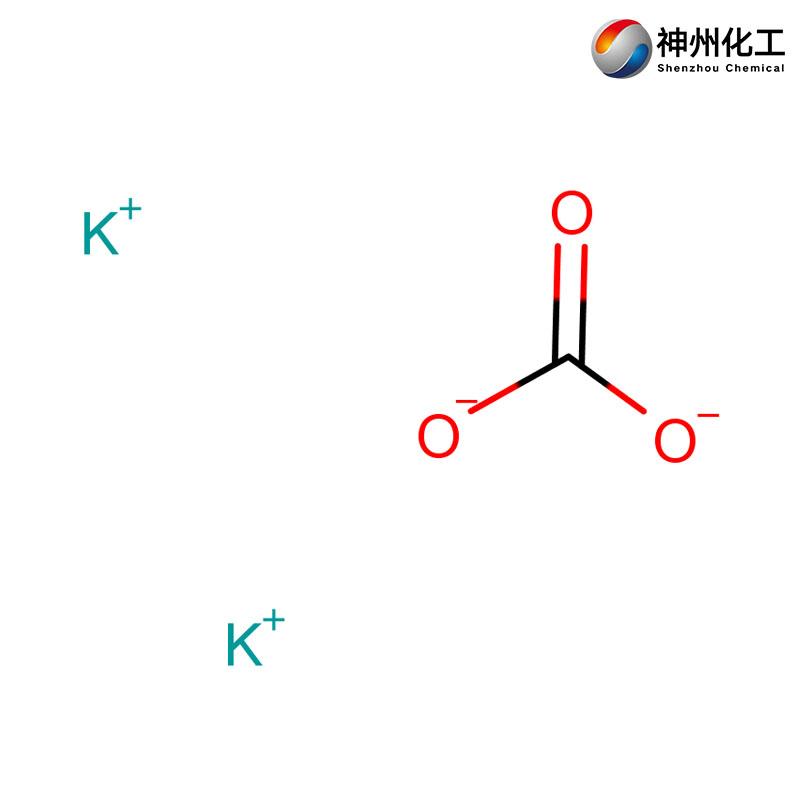
Chemical Formula: K2CO3
Synonyms:
PotassiumCarbonateAnhydrousK2CO3
PotassiumCarbonateAnhydrousAr
Carbonicaciddipotassiumsalt
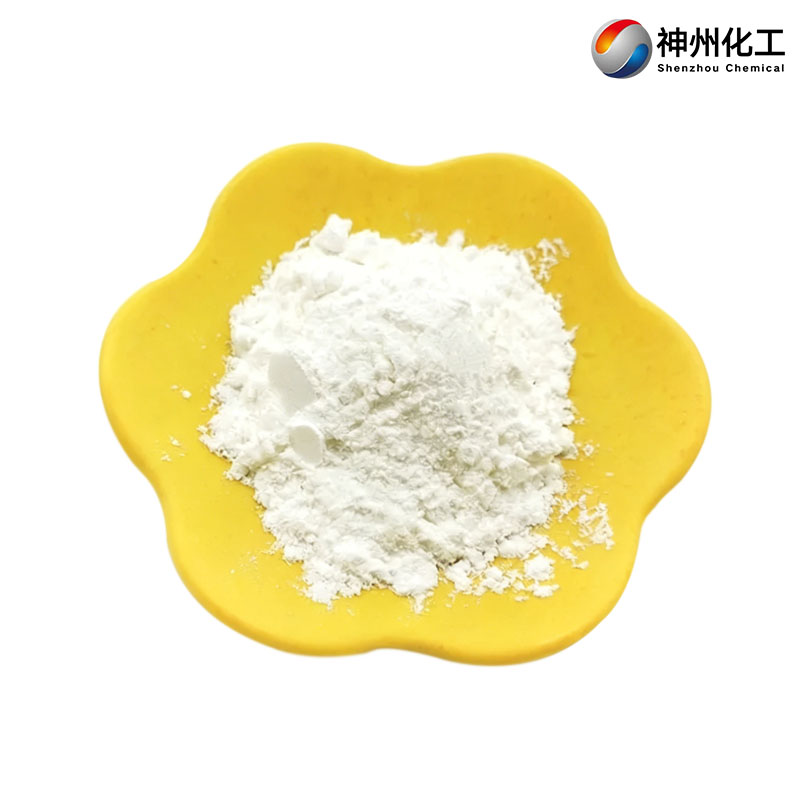
Appearance: White power
HS Code: 28364000
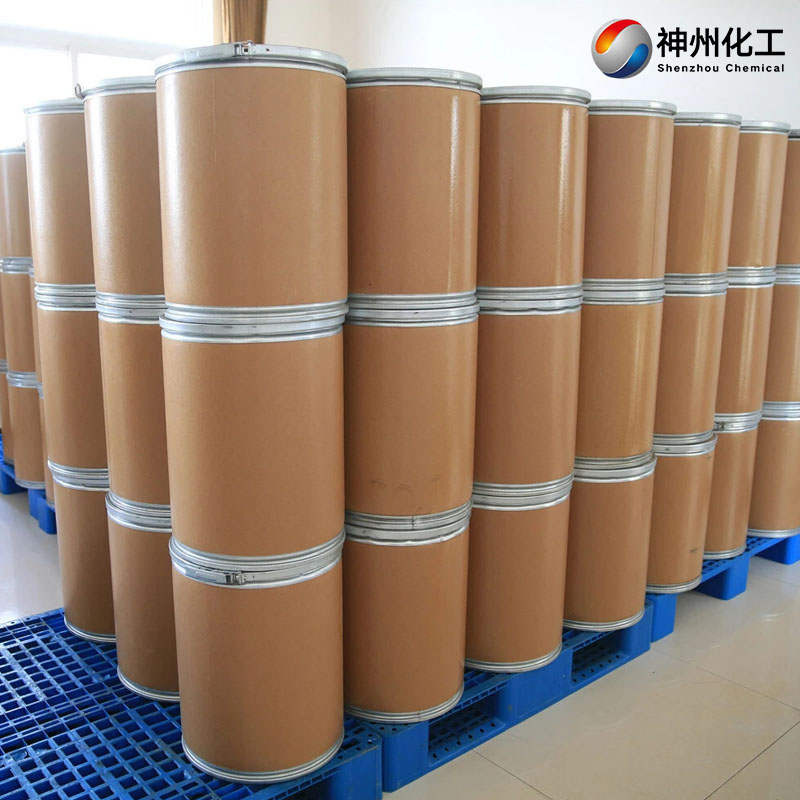
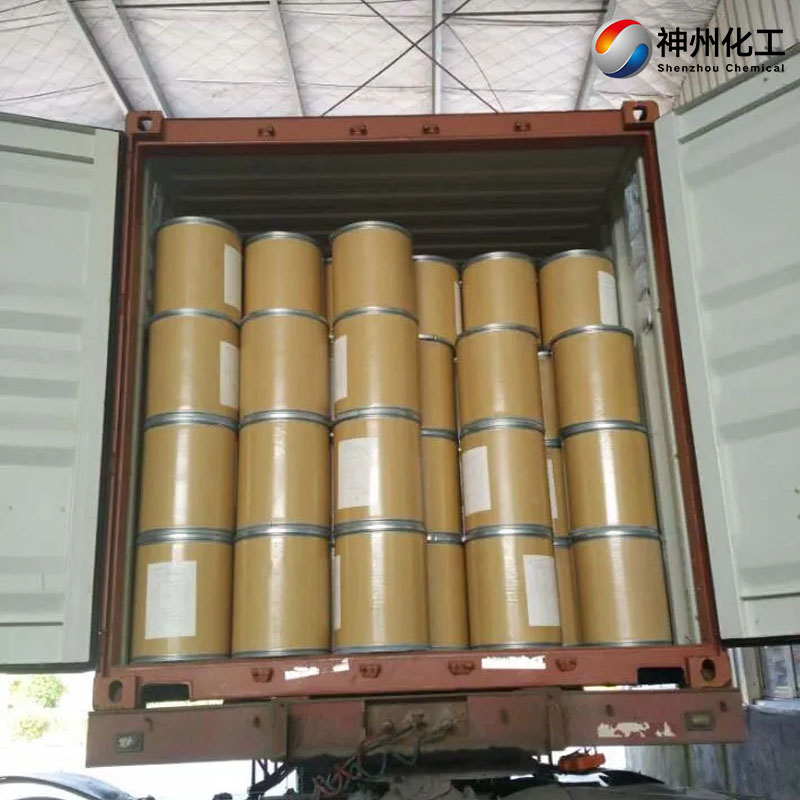
MOQ (Minimum Order Quantity): 1 FCL (Full Container Load)
Products Description of Potassium carbonate CAS#584-08-7
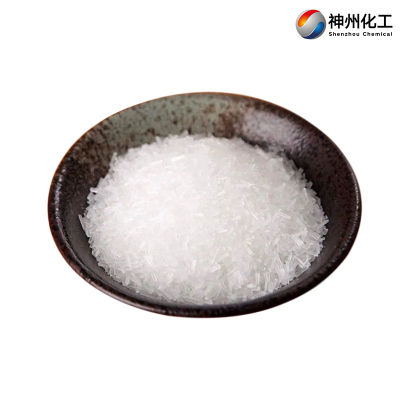
Potassium carbonate (molecular formula: K₂CO₃), also known as potash or pearl ash, appears as a white powder or colorless solid crystal. It has a salty taste and deliquescent properties, and can dissolve in water to form a strongly alkaline solution. However, it is insoluble in organic solvents like ethanol.
Parameters
Melting point | 891 °C (lit.) |
Boiling point | decomposes [STR93] |
bulk density | 750kg/m3 |
density | 2.43 g/mL at 25 °C |
storage temp. | Store at +5°C to +30°C. |
solubility | H2O: 1 M at 20 °C, clear, colorless |
pka | 10.33[at 20 ℃] |
form | powder |
color | White |
Specific Gravity | 2.29 |
Odor | at 100.00?%. odorless |
PH | 10.52(1 mM solution);11(10 mM solution);11.36(100 mM solution); |
Water Solubility | 1120 g/L (20 ºC) |
λmax | λ: 260 nm Amax: 0.03 |
Sensitive | Hygroscopic |
Merck | 14,7619 |
BRN | 4267587 |
Dielectric constant | 5.6(16.0℃) |
Stability: | Stable. Incompatible with moisture, acids, magnesium bromine trifluoride and magnesium bromine trichloride. |
CAS DataBase Reference | 584-08-7(CAS DataBase Reference) |
NIST Chemistry Reference | Dipotassium carbonate(584-08-7) |
EPA Substance Registry System | Potassium carbonate (584-08-7) |
Safety Information
Hazard Codes | Xn |
Risk Statements | 22-36/37/38-20/21/22 |
Safety Statements | 26-36-37/39 |
RIDADR | 3262 |
WGK Germany | 1 |
RTECS | TS7750000 |
F | 3 |
TSCA | Yes |
PackingGroup | III |
HS Code | 28364000 |
Hazardous Substances Data | 584-08-7(Hazardous Substances Data) |
Toxicity | LD50 orally in rats: 1.87 g/kg, H. F. Smyth et al., Am. Ind. Hyg. Assoc. J. 30, 470 (1969) |
Product Application of Potassium carbonate CAS#584-08-7
Potassium carbonate is a versatile industrial material with targeted uses across sectors. In the optical glass industry, it plays a key role in optimizing product performance—specifically enhancing the glass’s transparency, mechanical strength, and light refractive index. In welding operations, it is incorporated into welding rods to maintain arc stability and avoid arc breakage. In the textile and dyeing field, it acts as a VAT dye and a specialized de-whitening agent for ice dyeing processes. It also has environmental and safety applications: it serves as an absorbent for removing harmful gases like carbon dioxide and hydrogen sulfide, and when blended with soda ash, it becomes a raw material for producing dry powder fire extinguishing agents.
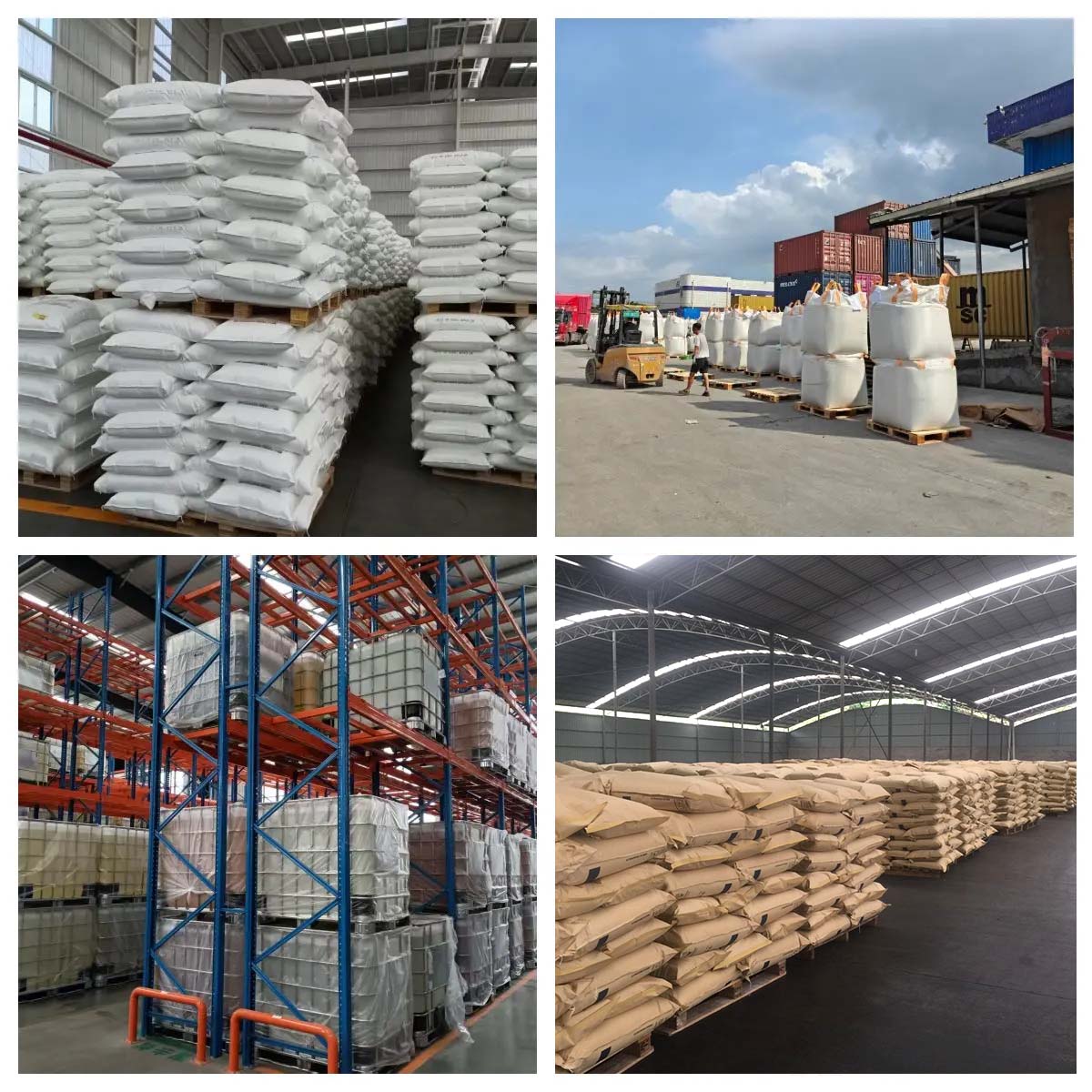
Factory and Equipment Show

Fast delivery time
Inventory 2-3 working days New production 7-10 working days