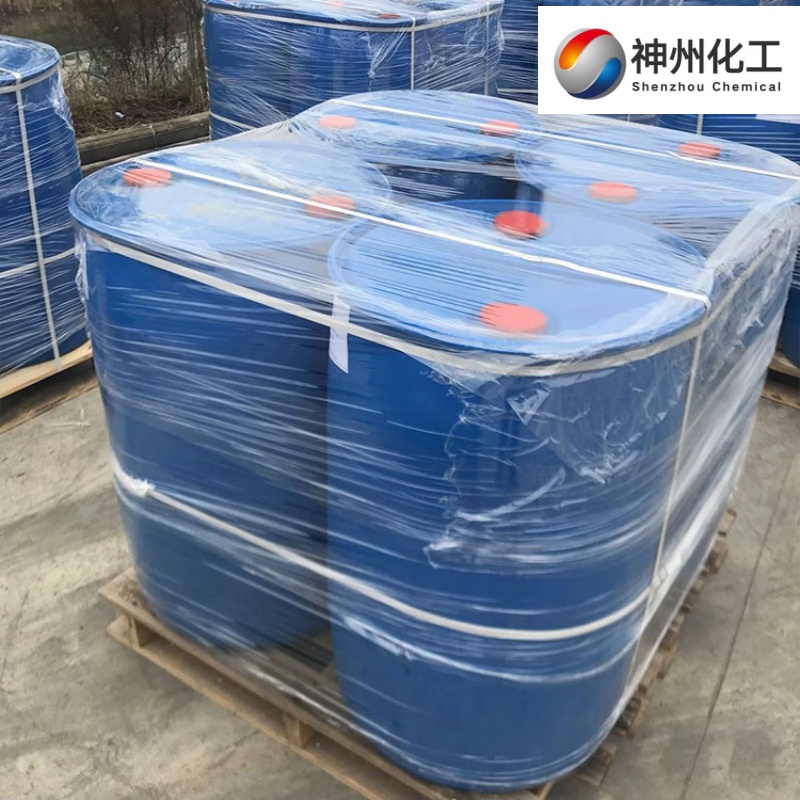

Methanol
CAS Number: 67-56-1
Chemical Formula: CH4O
Synonyms:
METHYL RED MIXED SOLUTION
METHYL RED
METHYL RED MIXED SOLUTION R
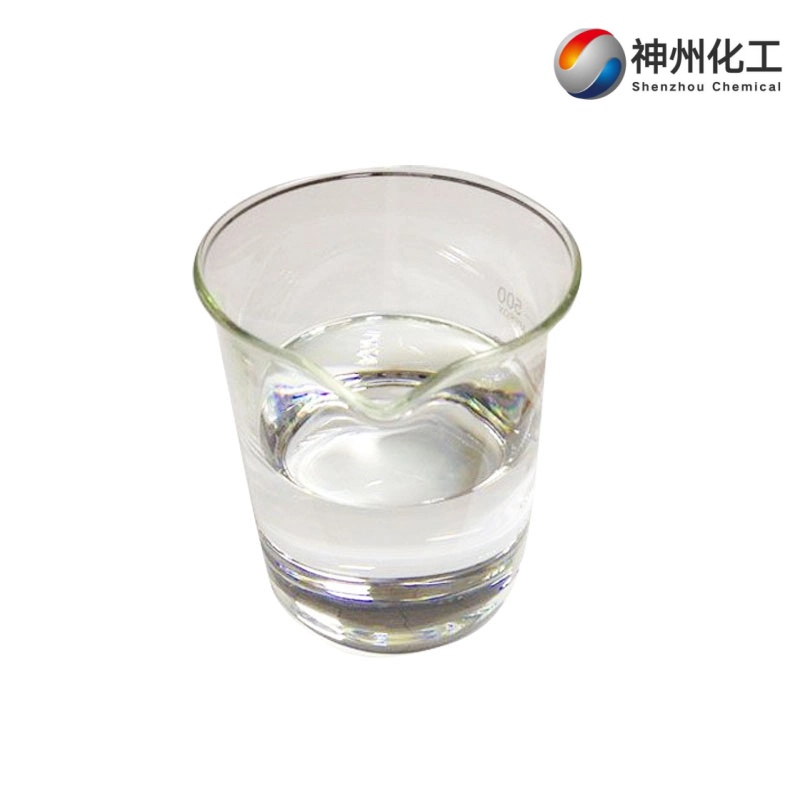
ppearance: Colorless liquid
HS Code: 2905 11 00
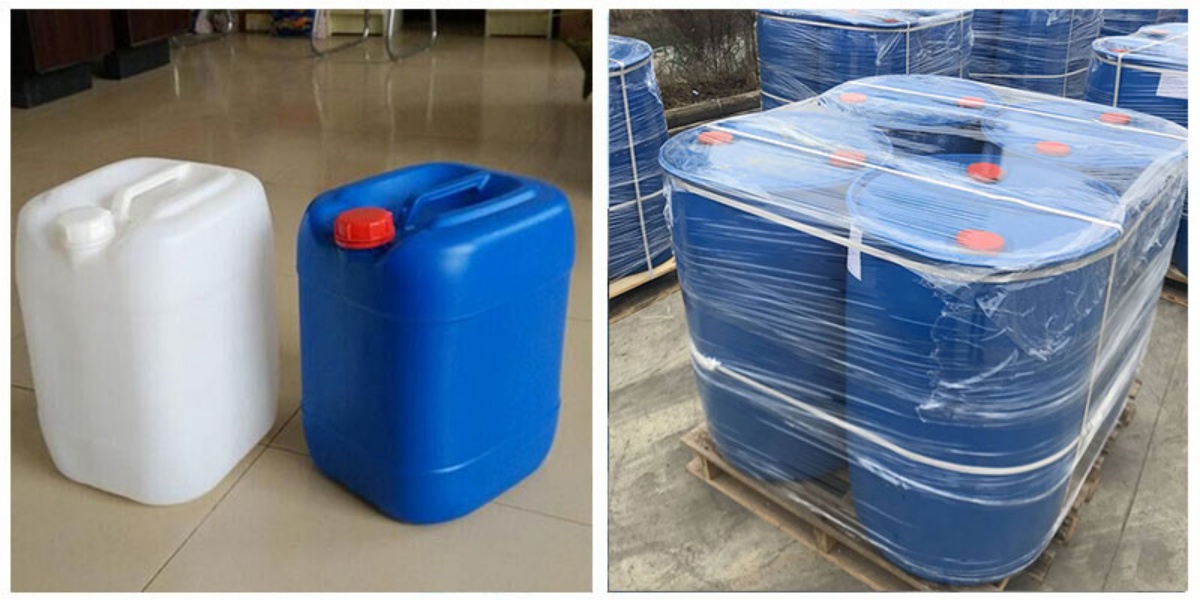
MOQ (Minimum Order Quantity): 1 FCL (Full Container Load)
Products Description of Methanol CAS#67-56-1
Also known as "wood alcohol", methanol is an organic compound and the simplest saturated monohydric alcohol. It is a colorless, transparent, flammable, volatile toxic liquid—5 to 10 ml of ingestion can cause blindness, and heavy drinking is fatal. At room temperature, it doesn’t corrode most metals (only lead and aluminum are exceptions) and has a slight alcoholic smell. Its physical parameters are as follows: relative density 0.792 (20/4℃), melting point -97.8℃, boiling point 64.5℃, flash point 12.22℃, autoignition point 463.89℃, vapor density 1.11, vapor pressure 13.33KPa (100mmHg at 21.2℃), and air-vapor explosion limit 6–36.5% (volume ratio). It mixes well with water, ethanol, ether, and many other organic solvents. Its common uses include solvent, antifreeze, fuel, and neutralizer.
Parameters
Melting point | -98 °C(lit.) |
Boiling point | 65.4 °C(lit.) |
density | 0.791 g/mL at 25 °C |
vapor density | 1.11 (vs air) |
vapor pressure | 410 mm Hg ( 50 °C) |
refractive index | n20/D 1.329(lit.) |
Fp | 52 °F |
storage temp. | 2-8°C |
solubility | benzene: miscible(lit.) |
pka | 15.2(at 25℃) |
form | Liquid Free From Particulates |
color | <10(APHA) |
Specific Gravity | 0.793 (20/20℃) |
Relative polarity | 0.762 |
Odor | Faint alcohol odor detectable at 4 to 6000 ppm (mean = 160 ppm) |
PH | 6.8 (20°C in H2O) |
Flame Color | Pale blue |
Odor Threshold | 33ppm |
explosive limit | 5.5-44%(V) |
Water Solubility | miscible |
λmax | λ: 210 nm Amax: 0.50 |
Merck | 14,5957 |
BRN | 1098229 |
Henry's Law Constant | 4.99 at 25 °C (headspace-GC, Gupta et al., 2000) |
Exposure limits | TLV-TWA (200 ppm) (ACGIH), 260mg/m3, 1040mg/m3 (800 ppm) 15minutes (NIOSH); STEL 310mg/m3 (250 ppm); IDLH 25,000 ppm (NIOSH). |
Dielectric constant | 33.6(20℃) |
LogP | -0.770 |
Surface tension | 22.22mN/m at 298.15K |
Surface tension | 22.7mN/m at 20°C |
CAS DataBase Reference | 67-56-1(CAS DataBase Reference) |
NIST Chemistry Reference | Methyl alcohol(67-56-1) |
EPA Substance Registry System | Methanol (67-56-1) |
Absorption | in accordance |
Safety Information | |
Hazard Codes | Xn,T,F |
Risk Statements | 10-20/21/22-68/20/21/22-39/23/24/25-23/24/25-11-40-36-36/38-23/25 |
Safety Statements | 36/37-7-45-16-24/25-23-24-26 |
RIDADR | UN 1170 3/PG 2 |
OEB | A |
OEL | TWA: 200 ppm (260 mg/m3), STEL: 250 ppm (325 mg/m3) [skin] |
WGK Germany | 1 |
RTECS | PC1400000 |
F | 3-10 |
Autoignition Temperature | 385 °C |
TSCA | Yes |
HS Code | 2905 11 00 |
HazardClass | 3 |
PackingGroup | II |
Hazardous Substances Data | 67-56-1(Hazardous Substances Data) |
Toxicity | LD50 oral (rat) |
IDLA | 6,000 ppm |
Product Application of Methanol CAS#67-56-1
Methanol is a widely used basic organic chemical raw material and high-quality fuel. It finds main applications in fine chemicals, plastics, and other sectors, producing organic products like formaldehyde, acetic acid, methyl chloride, methylamine, and dimethyl sulfate. It is also an important raw material for pesticides and medicines. Through deep processing, it can be used as a new clean fuel or added to gasoline for use.
Methanol easily reacts with sulfuric acid and carbonic acid via esterification. It hardly reacts with hydrochloric acid at 0°C, but can dehydrate to form methyl ether (CH3-O-CH3) at 160°C with the help of sulfuric acid, metaphosphoric acid, or boron trioxide. Methanol vapor can also form ether through dehydration over alumina (200°C) or thorium oxide (400°C). As a solvent, it dissolves metal halides and organic acid salts to varying degrees, while sulfates are barely soluble and carbonates are completely insoluble. It is also used to produce formaldehyde, formic acid, and inorganic or organic acid esters.
Factory and Equipment Show
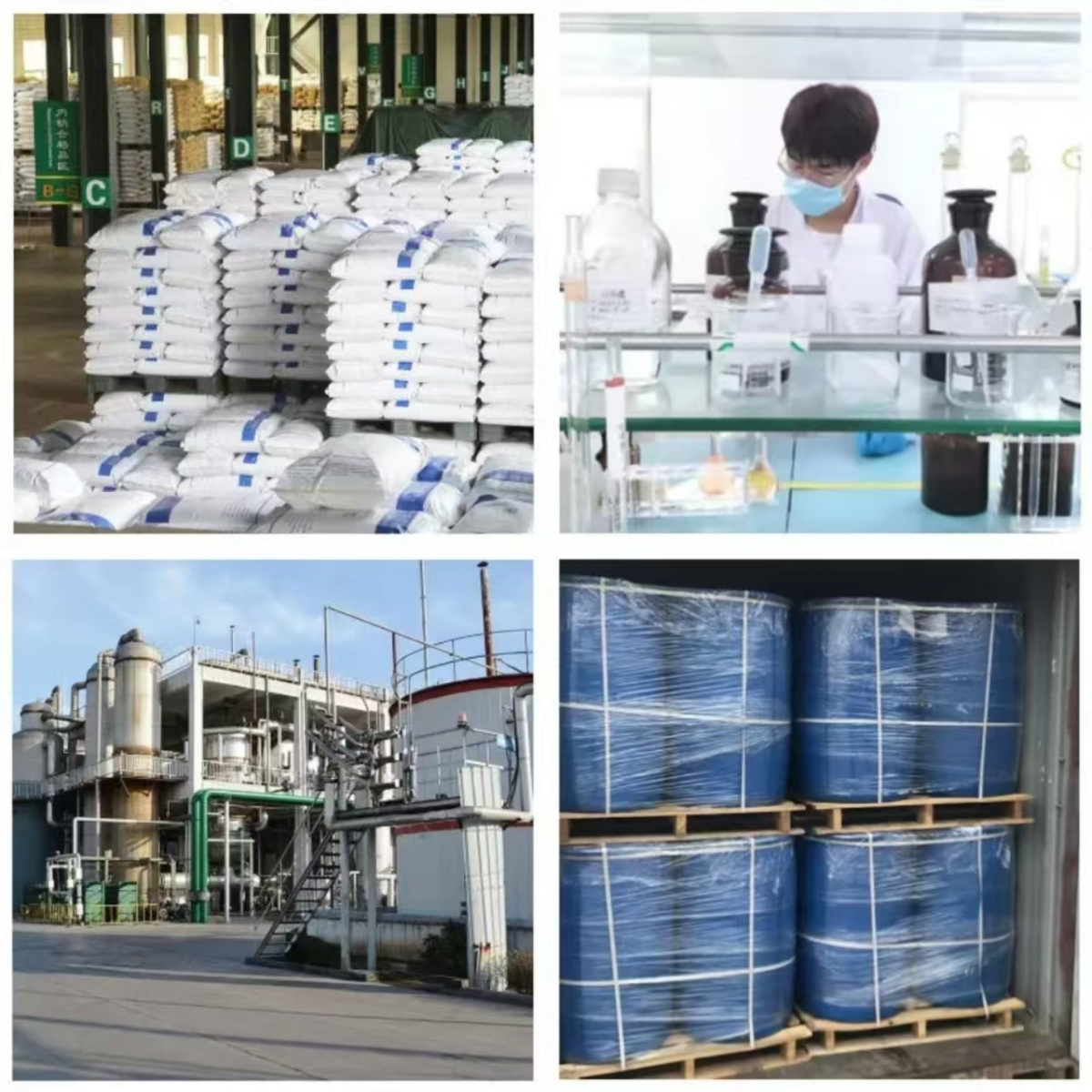
Fast delivery time
Inventory 2-3 working days New production 7-10 working days