Products Description of Acetic acid CAS#64-19-7
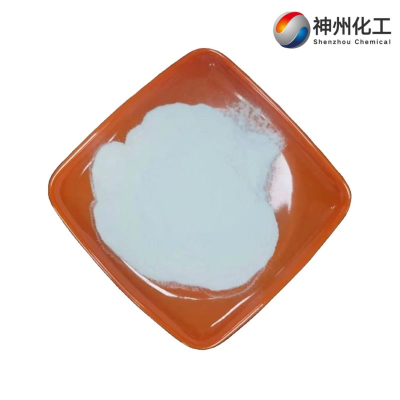
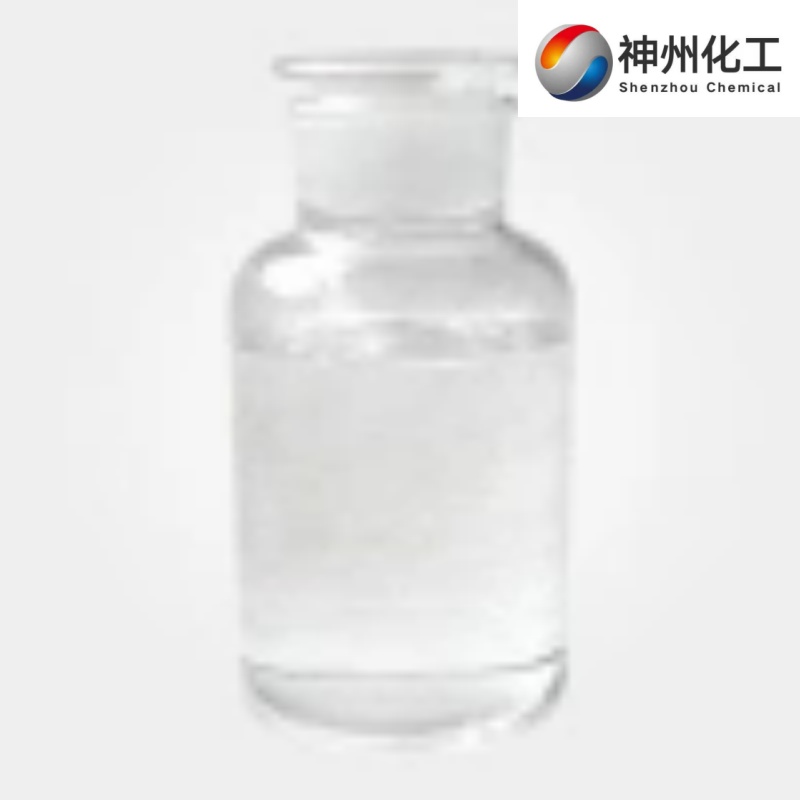
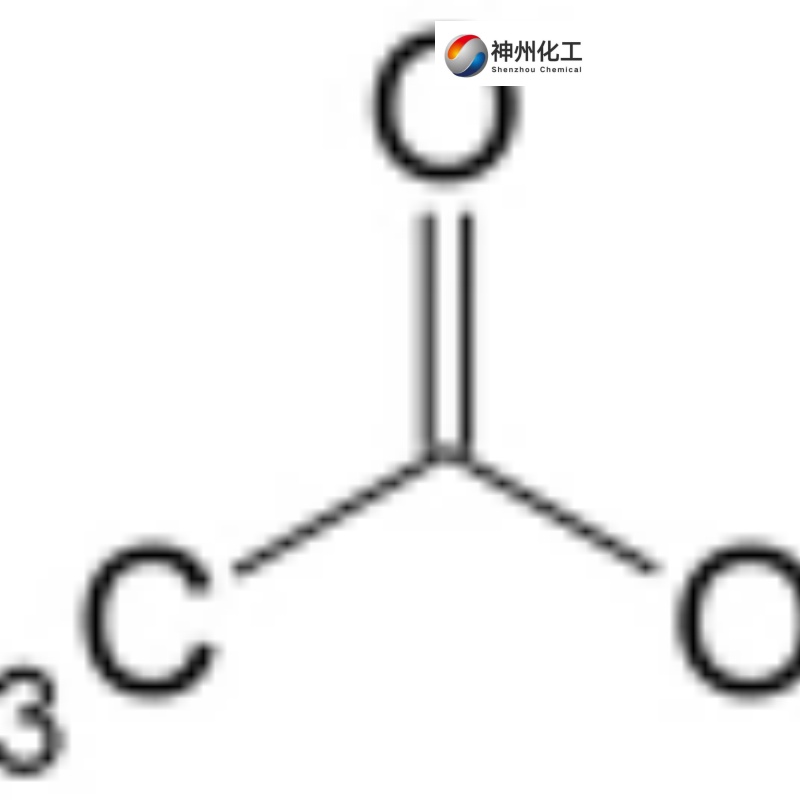
Acetic acid, commonly referred to as ethanoic acid (Abbr.: AcOH), derives its name from being the main component of vinegar and is one of the most important fatty acids. Naturally, it exists in many plants either in free form or as esters. Its molecular formula is CH₃COOH. The brewing and application of vinegar date back thousands of years, with records of vinegar production in ancient China. However, concentrated acetic acid was successfully developed by Stahl in 1700. Pure acetic acid is a colorless liquid with a pungent odor. It has a melting point of 16.6℃, a boiling point of 117.9℃, and a relative density of 1.049 (20/4℃). It is soluble in water, ethanol, glycerol, ether, and carbon tetrachloride, but insoluble in carbon disulfide. Anhydrous acetic acid solidifies into an ice-like form at low temperatures, commonly known as glacial acetic acid. It is corrosive. As a weak organic acid, it possesses the general properties of acids and can undergo esterification reactions with alcohols.
Acetic acid Chemical Properties
Melting point | 16.2 °C(lit.) |
Boiling point | 117-118 °C(lit.) |
density | 1.049 g/mL at 25 °C(lit.) |
vapor density | 2.07 (vs air) |
vapor pressure | 11.4 mm Hg ( 20 °C) |
refractive index | n20/D 1.371(lit.) |
FEMA | 2006 | ACETIC ACID |
Fp | 104 °F |
storage temp. | Store below +30°C. |
solubility | alcohol: miscible(lit.) |
form | Solution |
pka | 4.74(at 25℃) |
Specific Gravity | 1.0492 (20℃) |
color | colorless |
Odor | Strong, pungent, vinegar-like odor detectable at 0.2 to 1.0 ppm |
PH | 3.91(1 mM solution);3.39(10 mM solution);2.88(100 mM solution); |
PH Range | 2.4 (1.0M solution) |
Odor Threshold | 0.006ppm |
Odor Type | acidic |
explosive limit | 4-19.9%(V) |
Water Solubility | miscible |
λmax | λ: 260 nm Amax: 0.05 |
Merck | 14,55 |
JECFA Number | 81 |
BRN | 506007 |
Henry's Law Constant | 133, 122, 6.88, and 1.27 at pH values of 2.13, 3.52, 5.68, and 7.14, respectively (25 °C, Hakuta et al., 1977) |
Dielectric constant | 4.1(2℃) |
Exposure limits | TLV-TWA 10 ppm ~25 mg/m3) (ACGIH, OSHA, and MSHA); TLV-STEL 15 ppm (37.5 mg/m3) (ACGIH). |
Stability: | Volatile |
LogP | -0.170 |
CAS DataBase Reference | 64-19-7(CAS DataBase Reference) |
NIST Chemistry Reference | Acetic acid(64-19-7) |
EPA Substance Registry System | Acetic acid (64-19-7) |
Safety Information
Hazard Codes | C,Xi |
Risk Statements | 34-42-35-10-36/38 |
Safety Statements | 26-36/37/39-45-23-24/25 |
RIDADR | UN 1792 8/PG 2 |
WGK Germany | 3 |
RTECS | NN1650000 |
F | 1-8-10 |
Autoignition Temperature | 426 °C |
TSCA | Yes |
HazardClass | 8 |
PackingGroup | II |
HS Code | 29152100 |
Hazardous Substances Data | 64-19-7(Hazardous Substances Data) |
Toxicity | LD50 in rats (g/kg): 3.53 orally (Smyth) |
IDLA | 50 ppm |
Product Application of Acetic acid CAS#64-19-7
Bulk organic acid with core applications:Vinyl acetate (→ polyvinyl acetate for films/adhesives/vinylon)、acetic anhydride、acetates、cellulose acetate (→ rayon/motion picture film).
Esters with lower alcohols (coating industry solvents); solvent for p-xylene oxidation (→ terephthalic acid).
Organic synthesis: Acetic anhydride、diethyl malonate、ethyl acetoacetate、halogenated acetic acids、aspirin、2,4-D pesticide.
Metal acetates (Mn/Na/Pb/Al/Zn/Co): Catalysts/additives (dyeing/tanning); Al acetate (mordant/medical disinfectant); Pb acetate (white lead pigment); Pb tetraacetate (1,2-diol oxidant); Na/K acetate (biochemical buffers).
Food industry: Acidulant/flavor enhancer; synthetic vinegar (4–5% dilution + flavorings, cost-effective, short production time).Safety: Highly corrosive (Category 2), causes skin irritation/blistering.
Factory and Equipment Show
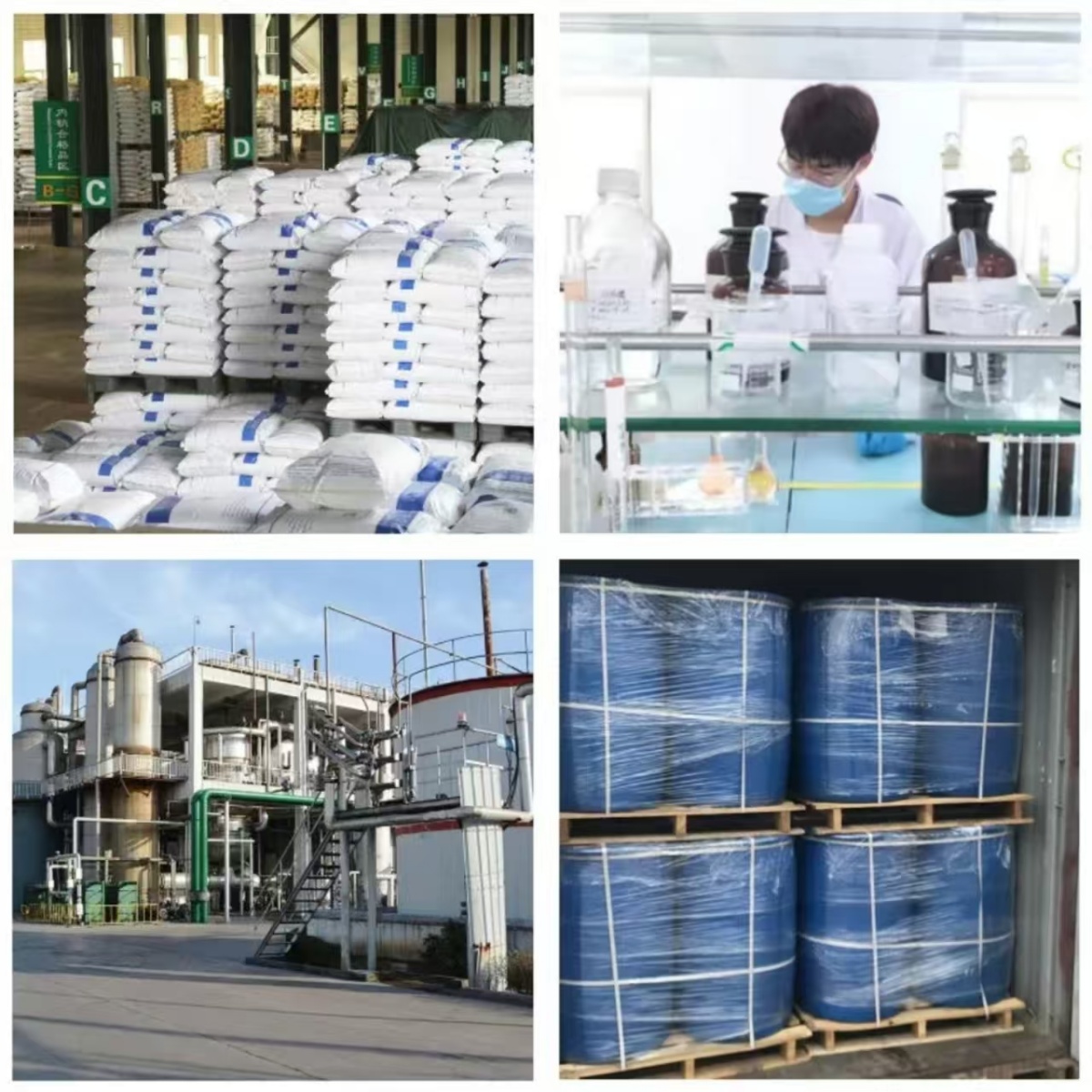
Fast delivery time
Inventory 2-3 working days New production 7-10 working days