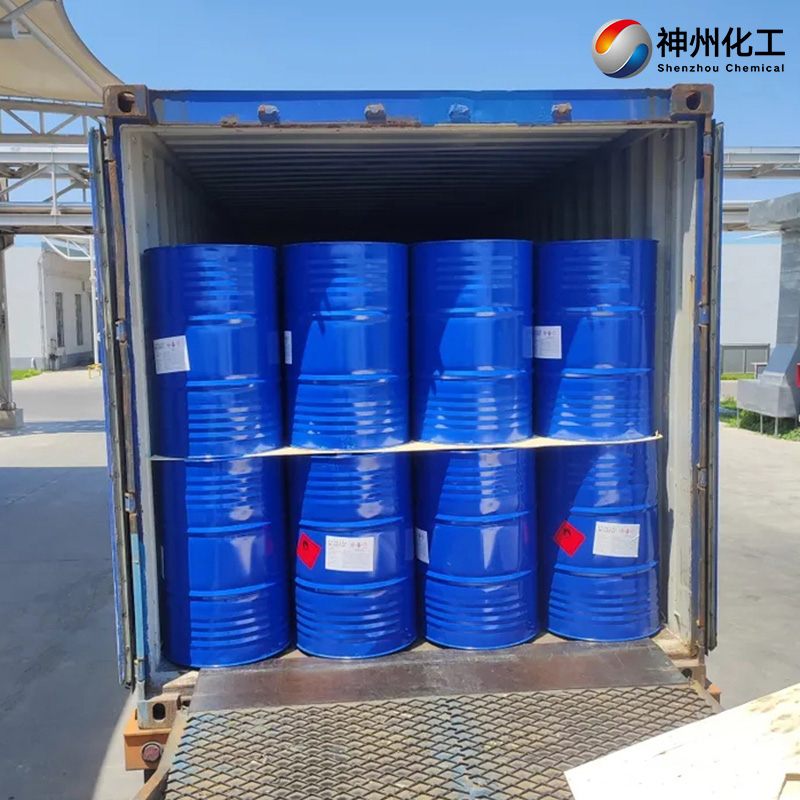
Coking Benzene CAS#71-43-2
CAS Number: 71-43-2
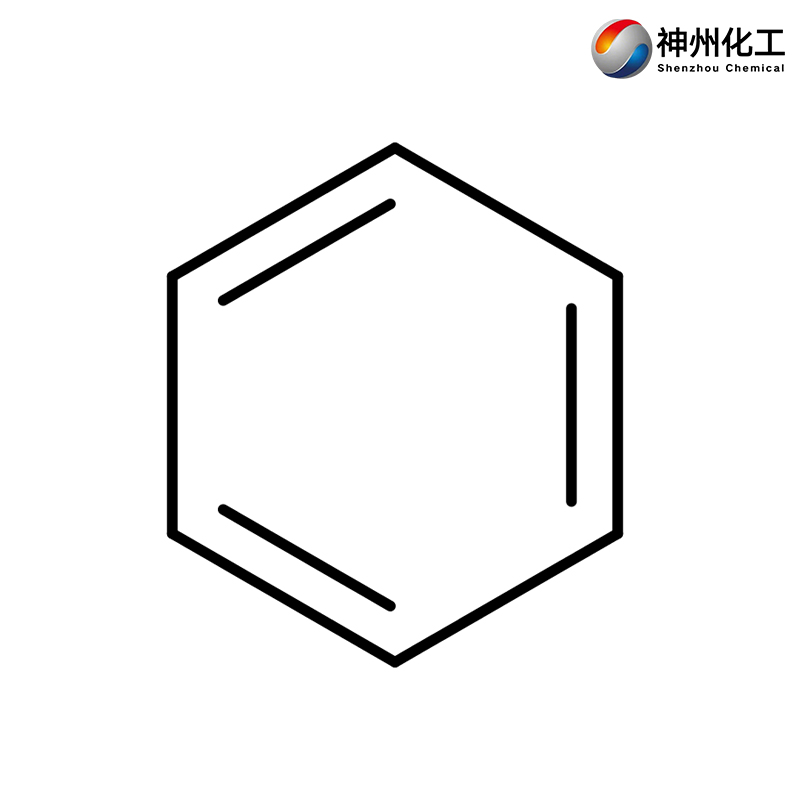
Chemical Formula:C6H6
Synonyms:
(6)annulene;
1,3,5-Cyclohexatriene;
Annulene;
Benzeen;
Benzen;
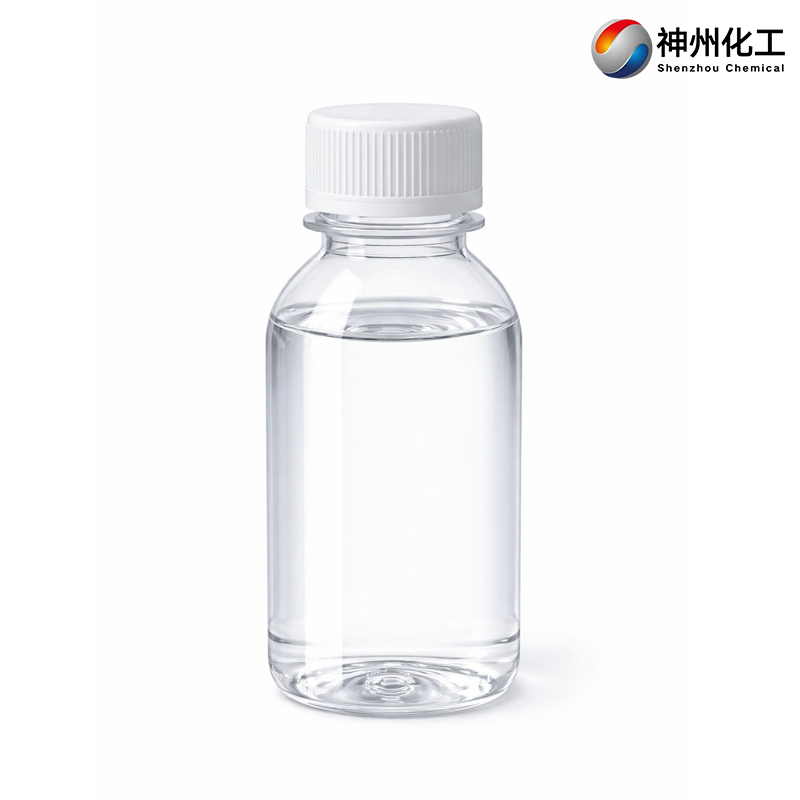
Appearance: Colorless clear liquid
HS Code: 29022000
MOQ (Minimum Order Quantity): 1 FCL (Full Container Load)
Products Description of Coking Benzene CAS#71-43-2
Coking benzene, molecular formula C₆H₆, is a colourless volatile aromatic liquid obtained as a by-product from coal coking. It emits a distinctive sweet aromatic scent, with a boiling point of 80.1°C. The compound shows negligible solubility in water, while it can mix freely with ethanol, ether and a wide range of organic solvents.
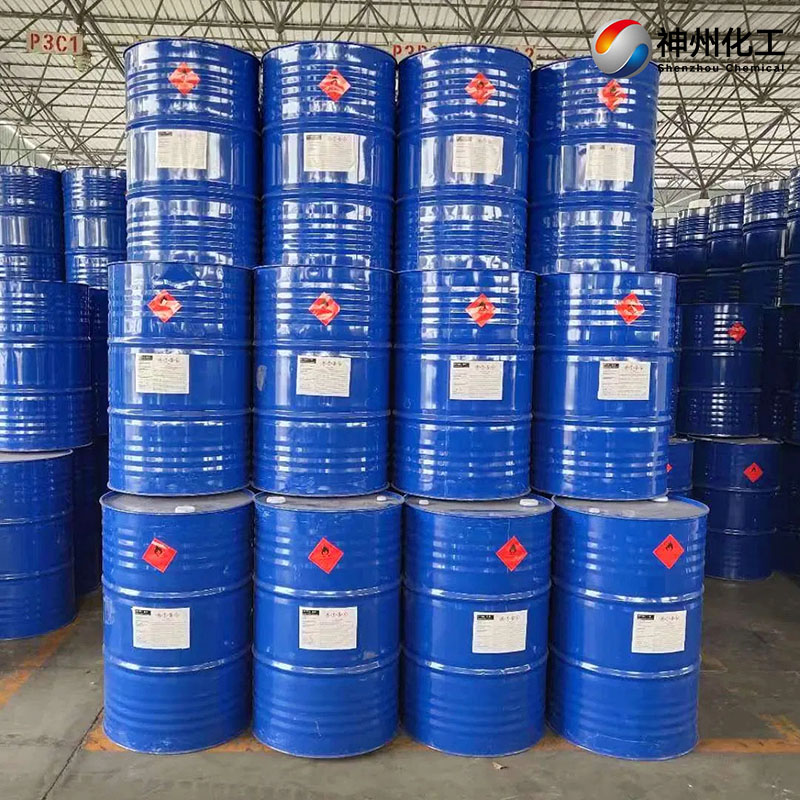
It is an essential aromatic feedstock, chemically identical to petroleum benzene. It acts as a vital intermediate to manufacture styrene, phenol, cyclohexane, aniline and other downstream chemical products. This substance is highly flammable and toxic. Strict fire control measures and proper personal protective equipment must be adopted throughout storage, transportation and operation procedures.
Parameters
| Melting point | 5.53 °C (41.95 °F; 278.68 K) |
| Boiling point | 80.1 °C (176.2 °F; 353.2 K) |
| Density | 0.8765(20) g/cm3 |
| vapor density | 2.77 (vs air) |
| vapor pressure | 166 mm Hg ( 37.7 °C) |
| refractive index | 1.5011 (20 °C); 1.4948 (30 °C) |
| Flash point | −11.63 °C (11.07 °F; 261.52 K) |
| storage temp. | room temp |
| solubility | Miscible with alcohol, chloroform, dichloromethane, diethyl ether, acetone and acetic acid. |
| pka | 43(at 25℃) |
| form | liquid |
| color | Colorless |
| Relative polarity | 0.111 |
| Odor | Paint-thinner-like odor detectable at 12 ppm |
| explosive limit | 1.4-8.0%(V) |
| Odor Threshold | 2.7ppm |
| Water Solubility | 0.18 g/100 mL |
| Thermal Conductivity | 0.1412 W/(m·K) at 25 ℃ |
| Specific Heat Capacity | Cp(liquid): 1.74 J/(g·K); Cp(gas): 1.05 J/(g·K), at 25℃ |
| ex/em | λex 255 nm; λem 303 nm in cyclohexane |
| λmax | λ: 280 nm Amax: 1.0 λ: 290 nm Amax: 0.15 λ: 300 nm Amax: 0.06 λ: 330 nm Amax: 0.02 λ: 350-400 nm Amax: 0.01 |
| Merck | 14,1066 |
| BRN | 969212 |
| Henry's Law Constant | 10.4 at 45.00 °C, 11.4 at 50.00 °C, 13.3 at 55.00 °C, 14.5 at 60.00 °C, 16.8 at 65.00 °C, 19.2 at 70.00 °C (static headspace-GC, Park et al., 2004) |
| Dielectric constant | 2.3(20℃) |
| Exposure limits | ACGIH TLV-TWA:0.02 ppm OSHA PEL-TWA:10 ppm (~32 mg/m3);PEL-Ceiling:25 ppm (~80 mg/m3);PEL-peak:50 ppm (~160 mg/m3)/10 min/8 h NIOSH REL-TWA:0.1 ppm;REL-STEL:1 ppm |
| Stability | Stable. Substances to be avoided include strong oxidizing agents, sulfuric acid, nitric acid, halogens. Highly flammable. |
| InChI | 1S/C6H6/c1-2-4-6-5-3-1/h1-6H |
| InChIKey | UHOVQNZJYSORNB-UHFFFAOYSA-N |
| SMILES | c1ccccc1 |
| EPA Primary Drinking Water Standard | MCL:0.005,MCLG:zero |
| LogP | 2.130 |
| Surface tension | 28.891mN/m at 293.15K |
| Toxicology and Carcinogenesis | Toxicology and Carcinogenesis Studies of Benzene (CASRN 71-43-2) in F344/N Rats and B6C3F1 Mice (Gavage Studies) |
| Substances Added to Food (formerly EAFUS) | BENZENE |
| REACH Annex XVII Substances List | Benzene (71-43-2) |
| FDA 21 CFR | 175.105 |
| CAS DataBase Reference | 71-43-2(CAS DataBase Reference) |
| EWG's Food Scores | 10 |
| NCI Dictionary of Cancer Terms | benzene |
| FDA UNII | J64922108F |
| Proposition 65 List | Benzene |
| NIST Chemistry Reference | Benzene(71-43-2) |
| IARC | 1 (Vol. 29, Sup 7. 100F, 120) 2018 |
| EPA Substance Registry System | Benzene (71-43-2) |
| Toxicological Profile|ATSDR | Benzene|Toxicological Profile|ATSDR |
| UNSPSC Code | 77101502 |
| NACRES | NA.24 |
Safety Information
| Signal word | Danger |
| Hazard statements | H302-H315-H319-H361-H372-H370-H340-H350-H336-H304-H401-H412-H225 |
| Precautionary statements | P501-P273-P270-P202-P240-P260-P210-P233-P201-P243-P241-P242-P271-P264-P280-P370+P378-P331-P337+P313-P305+P351+P338-P308+P311-P362+P364-P303+P361+P353-P332+P313-P301+P310-P304+P340+P312-P403+P233-P403+P235-P405 |
| target organs | Blood |
| Hazard Codes | F,T |
| Risk Statements | 45-46-11-36/38-48/23/24/25-65-39/23/24/25-23/24/25 |
| Safety Statements | 53-45-36/37-16-7 |
| RIDADR | UN 1114 |
| OEB | E |
| OEL | TWA: 0.1 ppm, STEL: 1 ppm |
| WGK Germany | 3 |
| RTECS | CY1400000 |
| F | 3-10 |
| Autoignition Temperature | 560 °C |
| TSCA | TSCA listed |
| HS Code | 2902 20 00 |
| HazardClass | 3 |
| PackingGroup | II |
| Storage Class | 3 - Flammable liquids |
| Hazard Classifications | Aquatic Chronic 3 Asp. Tox. 1 Carc. 1A Eye Irrit. 2 Flam. Liq. 2 Muta. 1B Skin Irrit. 2 STOT RE 1 |
| Hazardous Substances Data | 71-43-2(Hazardous Substances Data) |
| Toxicity | LD50 orally in young adult rats: 3.8 ml/kg (Kimura) |
| IDLA | 500 ppm |
Product Application of Coking Benzene CAS#71-43-2
Coking benzene serves as a key aromatic intermediate within the chemical sector. It is primarily utilized to synthesize styrene, which is then converted into polystyrene, ABS resin and synthetic rubber. It may also be transformed into phenol for phenolic resin manufacturing, as well as cyclohexane for the production of nylon and associated synthetic fibres.
Additionally, it supports the production of aniline, nitrobenzene and other fine chemical raw materials, and can be applied as a solvent in certain industrial formulations. It is involved in the synthesis of caprolactam, facilitating the manufacture of nylon-6. It also has minor applications in dye production and pharmaceutical intermediate preparation. It remains an indispensable basic feedstock for the downstream coal chemical industry chain.
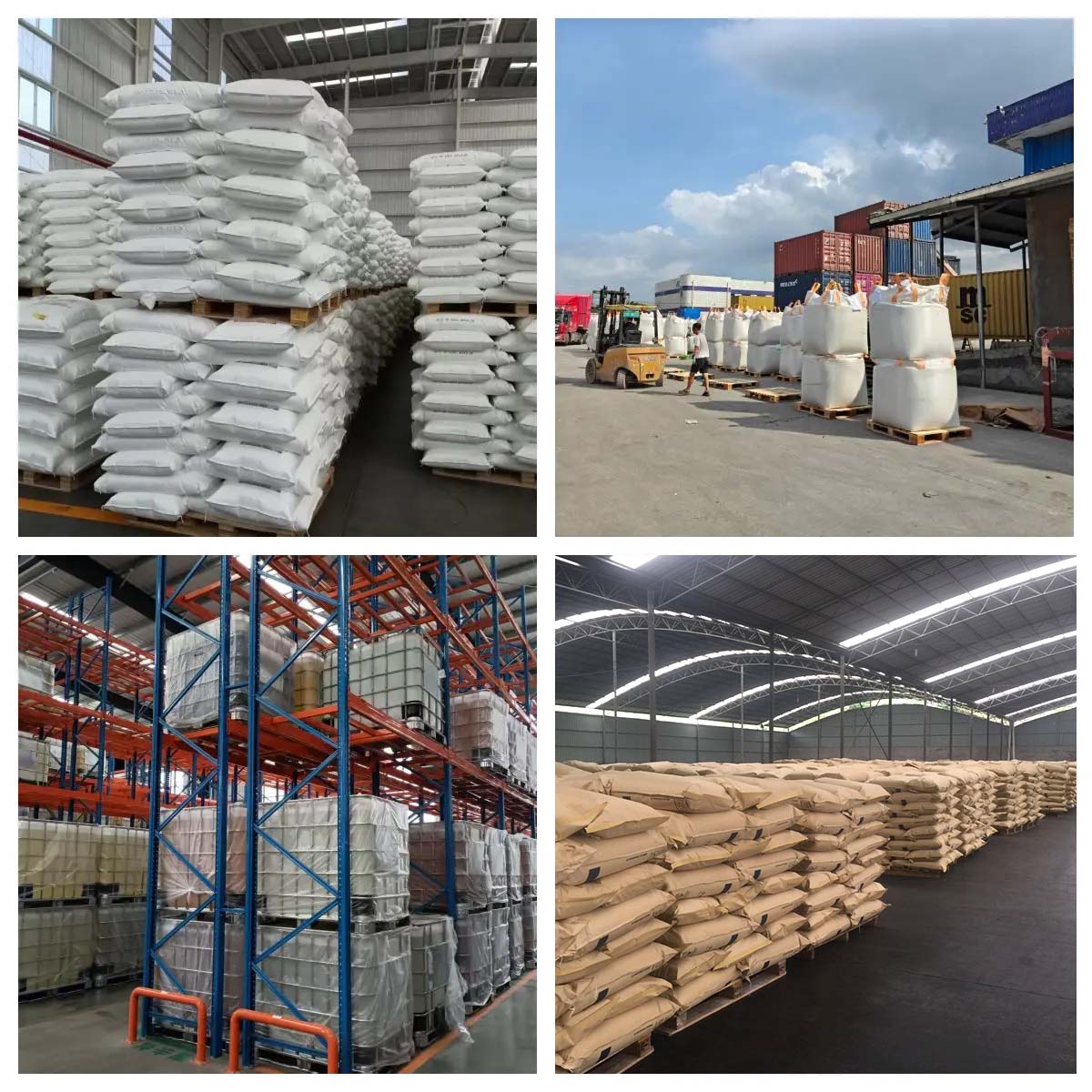
Factory and Equipment Show

Fast delivery time
Inventory 2-3 working days New production 7-10 working days