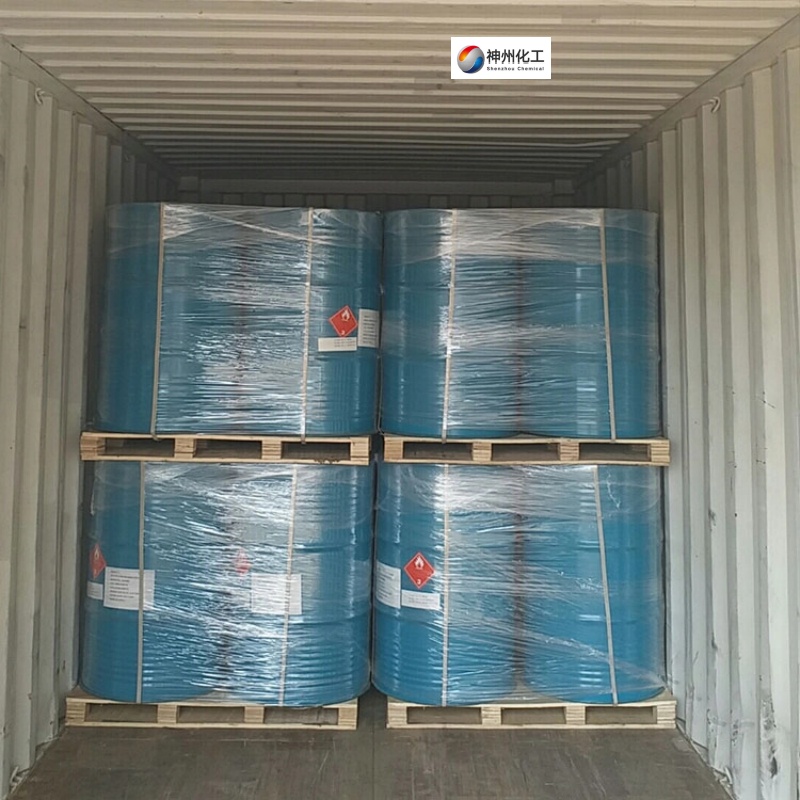
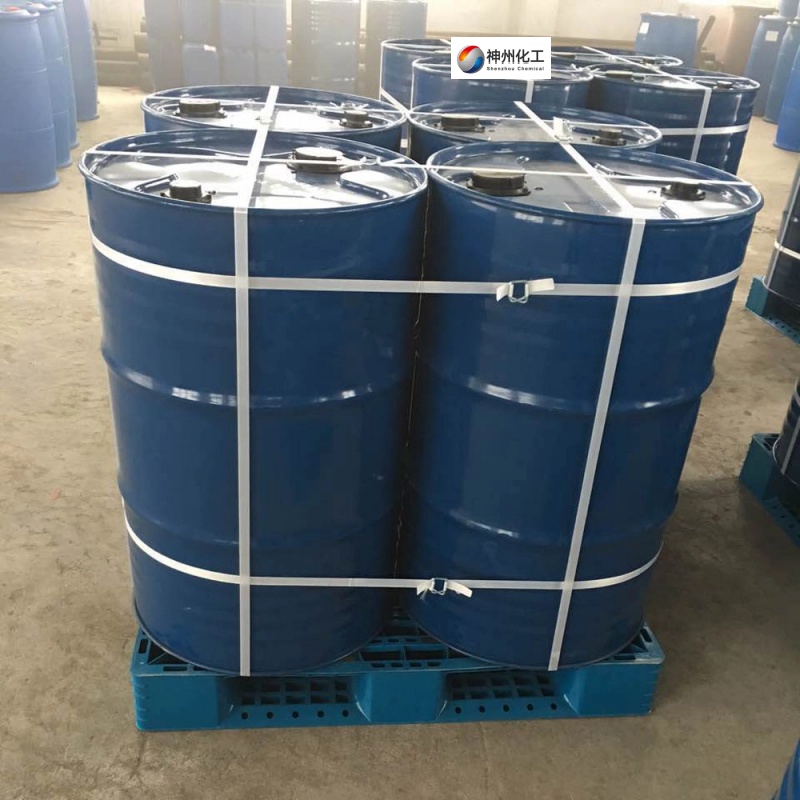
1- Butanol
• CAS Number: 71-36-3
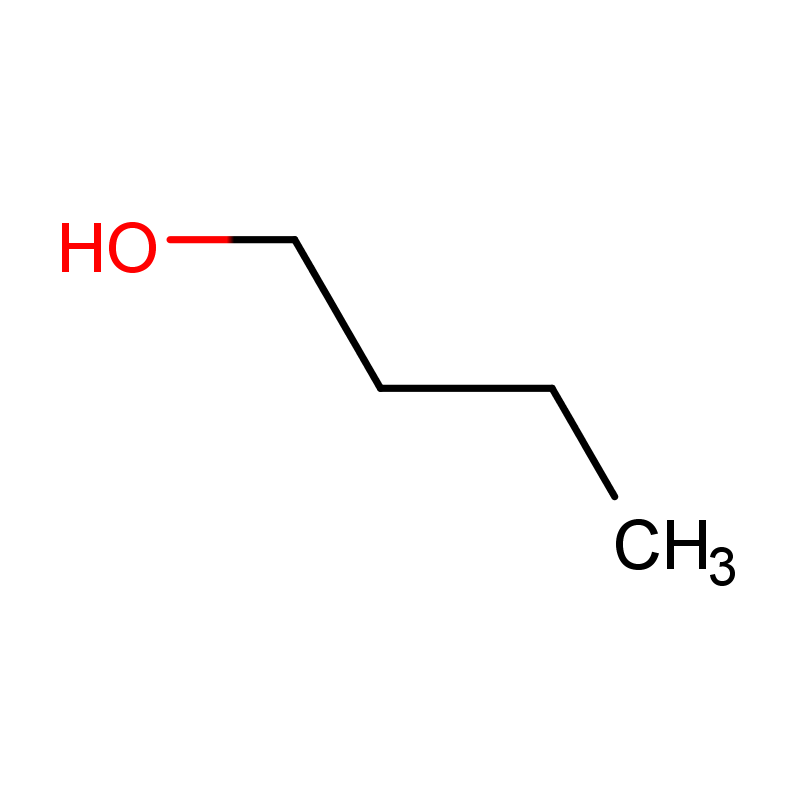
• Chemical Formula: C4H10O
• Synonyms:
▪ Alcoolbutylique
▪ Butylowy alkohol
▪ Butanolen
• Appearance: Colorless liquid
• HS Code: 29051300
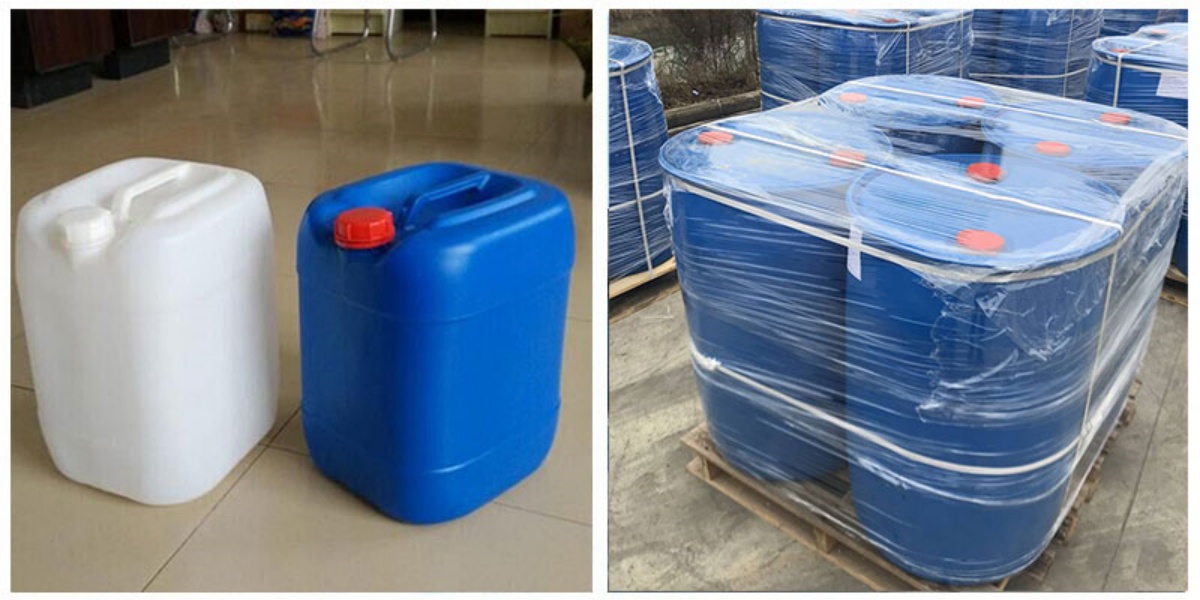
• MOQ (Minimum Order Quantity): 1 FCL (Full Container Load)
Products Description of 1-Butanol CAS#71-36-3
n-Butyl alcohol is a colorless, flammable liquid with a strong alcoholic scent. It is highly refractive and burns with an intensely luminous flame. This substance is incompatible with strong acids, strong oxidizing agents, aluminum, acid chlorides, acid anhydrides, copper, and copper alloys.
n-Butyl alcohol has a wide range of applications across numerous industries. It acts as a solvent in the production of paints, varnishes, synthetic resins, gums, pharmaceuticals, vegetable oils, dyes, and alkaloids. Additionally, it is utilized in manufacturing artificial leather, rubber, plastic cements, shellac, raincoats, perfumes, and photographic films.
Parameters
Melting point | -90 °C (lit.) |
Boiling point | 116-118 °C (lit.) |
density | 0.81 g/mL at 25 °C (lit.) |
vapor density | 2.55 (vs air) |
vapor pressure | 6.7 hPa (20 °C) |
refractive index | n20/D 1.399(lit.) |
FEMA | 2178 | BUTYL ALCOHOL |
Fp | 95 °F |
storage temp. | Store at +5°C to +30°C. |
solubility | water: soluble |
pka | 15.24±0.10(Predicted) |
form | Liquid |
color | APHA: ≤10 |
PH | 7 (70g/l, H2O, 20℃) |
Odor | Alcohol-like; pungent; strong; characteristic; mildly alcoholic, non residual. |
Relative polarity | 0.586 |
Odor Threshold | 0.038ppm |
Odor Type | fermented |
biological source | synthetic |
explosive limit | 1.4-11.3%(V) |
Water Solubility | 80 g/L (20 ºC) |
λmax | λ: 215 nm Amax: 1.00 |
Sensitive | Moisture Sensitive |
Merck | 14,1540 |
JECFA Number | 85 |
BRN | 969148 |
Henry's Law Constant | 49.2 at 50 °C, 92.0 at 60 °C, 152 at 70 °C, 243 at 80 °C (headspace-GC, Hovorka et al., 2002) |
Exposure limits | TLV-TWA 300 mg/m3 (100 ppm) (NIOSH), 150 mg/m3 (50 ppm) (ACGIH); IDLH 8000 ppm (NIOSH). |
Dielectric constant | 17.1(25℃) |
Stability: | Stable. Incompatible with strong acids, strong oxidizing agents, aluminium, acid chlorides, acid anhydrides, copper, copper alloys. Flammable. |
LogP | 0.88 |
Surface tension | 23.476mN/m at 298.15K |
CAS DataBase Reference | 71-36-3(CAS DataBase Reference) |
NIST Chemistry Reference | 1-Butanol(71-36-3) |
EPA Substance Registry System | 1-Butanol (71-36-3) |
Safety Information
Hazard Codes | Xn,T,F |
Risk Statements | 10-22-37/38-41-67-39/23/24/25-23/24/25-11 |
Safety Statements | 13-26-37/39-46-7/9-45-36/37-16-7 |
OEL | Ceiling: 50 ppm (150 mg/m3) [skin] |
RIDADR | UN 1120 3/PG 3 |
WGK Germany | 1 |
RTECS | EO1400000 |
Autoignition Temperature | 649 °F |
TSCA | Yes |
HS Code | 2905 13 00 |
HazardClass | 3 |
PackingGroup | III |
Hazardous Substances Data | 71-36-3(Hazardous Substances Data) |
Toxicity | LD50 orally in rats: 4.36 g/kg (Smyth) |
IDLA | 1,400 ppm |
Product Application of 1-Butanol CAS#71-36-3
1-Butanol serves multiple purposes: it is used to produce butyl acetate, butyl glycol ether, and plasticizers like dibutyl phthalate; acts as a solvent in the coating industry; functions as a solvent for extracting oils, drugs, and cosmetic nail products; and is an ingredient in perfumes and flavors.
Naturally, 1-butanol is found in fusel oil and is a by-product of the fermentation process for alcoholic beverages such as beer and wine. It also exists in beef fat, chicken broth, and unfiltered cigarette smoke.
Factory and Equipment Show
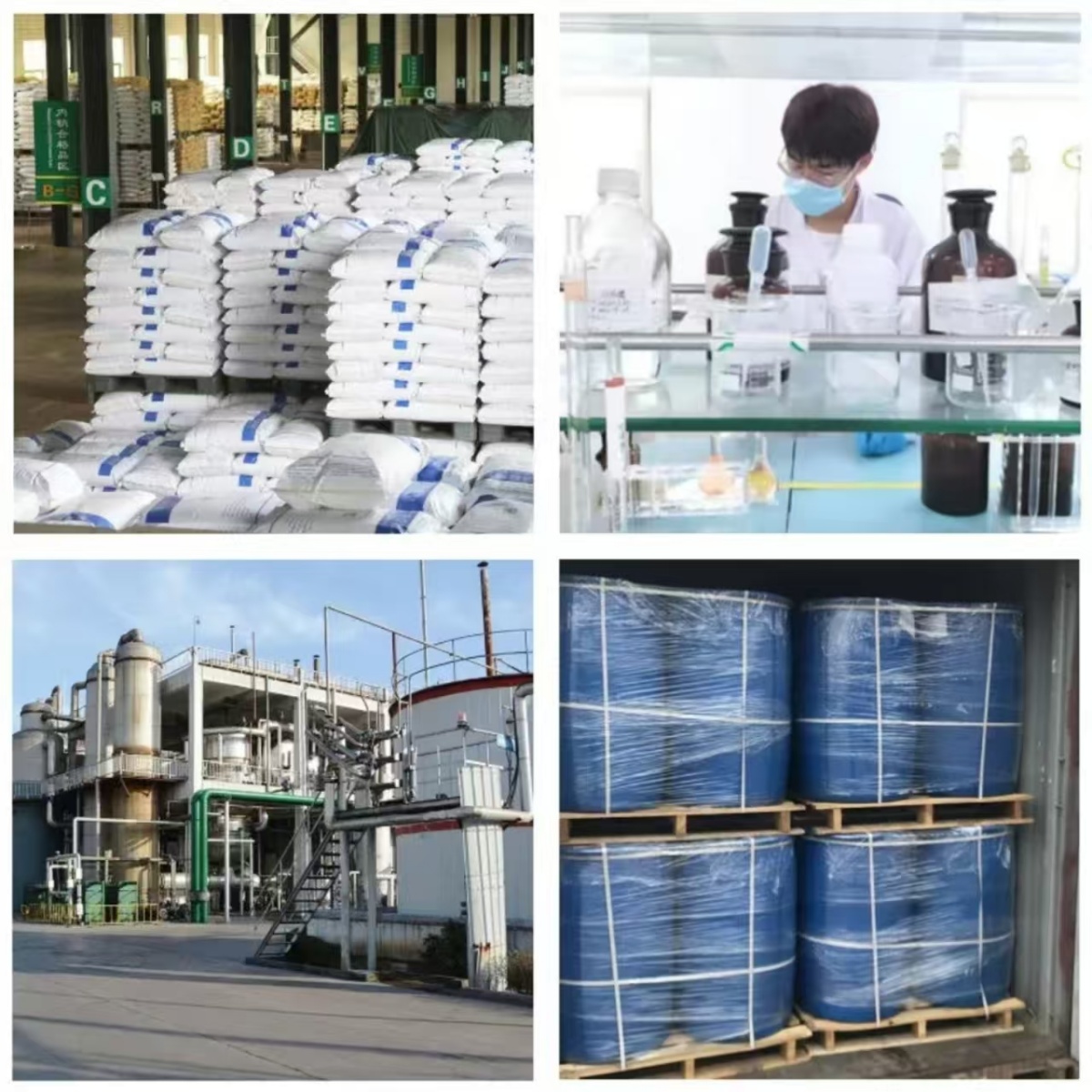
Fast delivery time
Inventory 2-3 working days New production 7-10 working days