Sodium alginate CAS#9005-38-3
CAS Number:9005-38-3
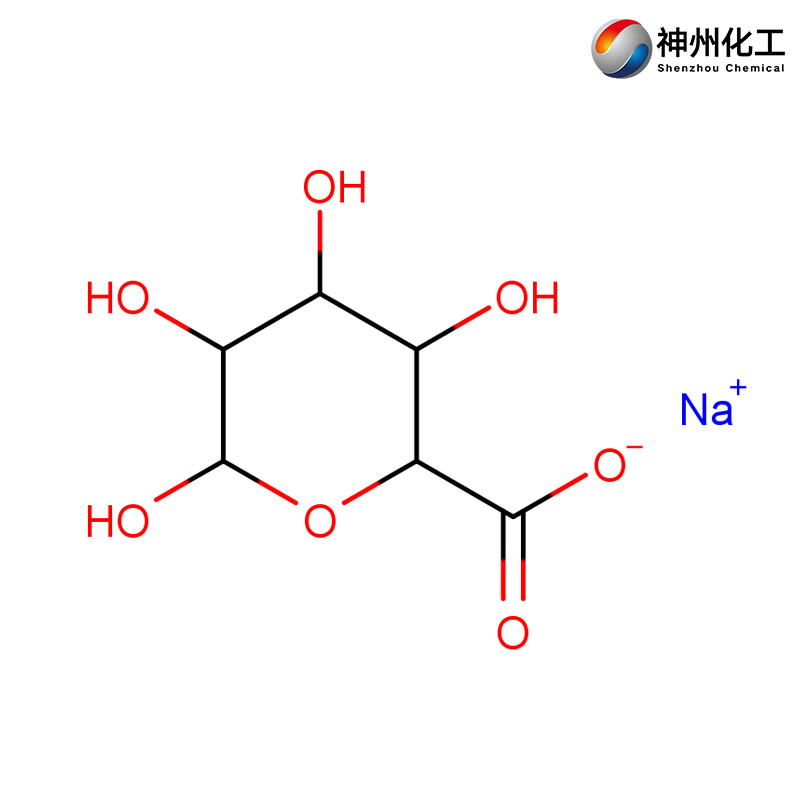
Chemical Formula: C5H7O4COONa
Synonyms:
Alginicacidsodiumsalt
lowviscosity
SODIUM ALGINATE (ALGINIC ACID SODIUM SALT)
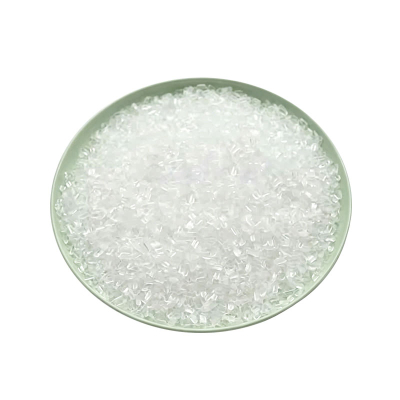
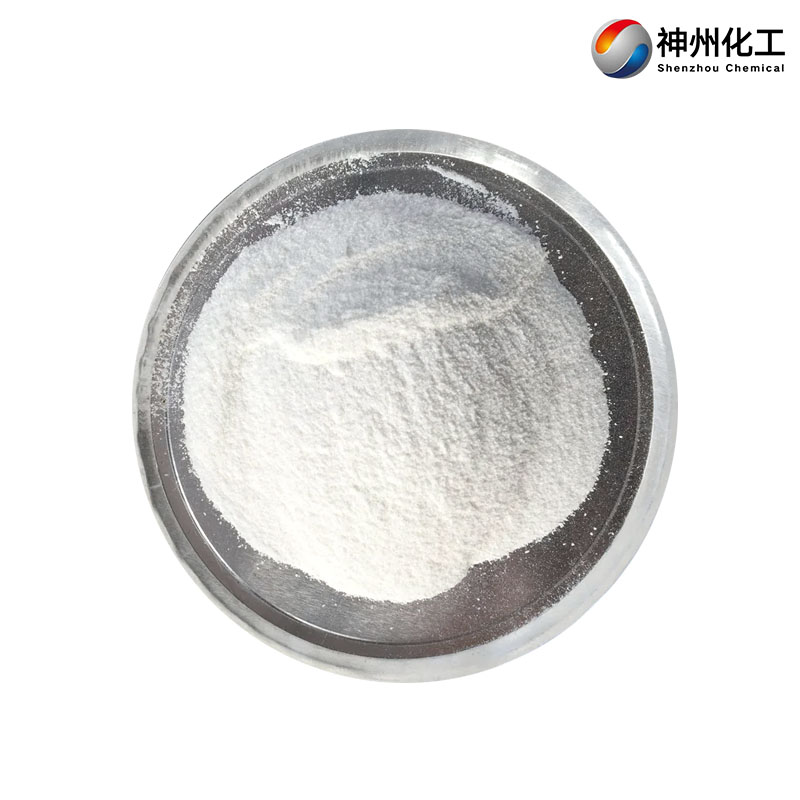
Appearance: White power
HS Code: 39131000
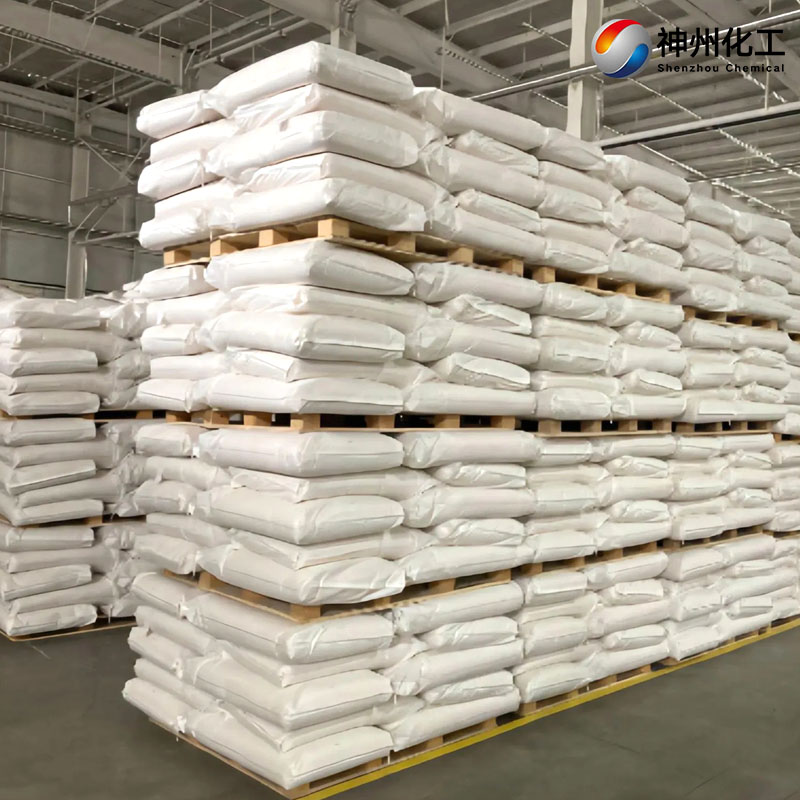
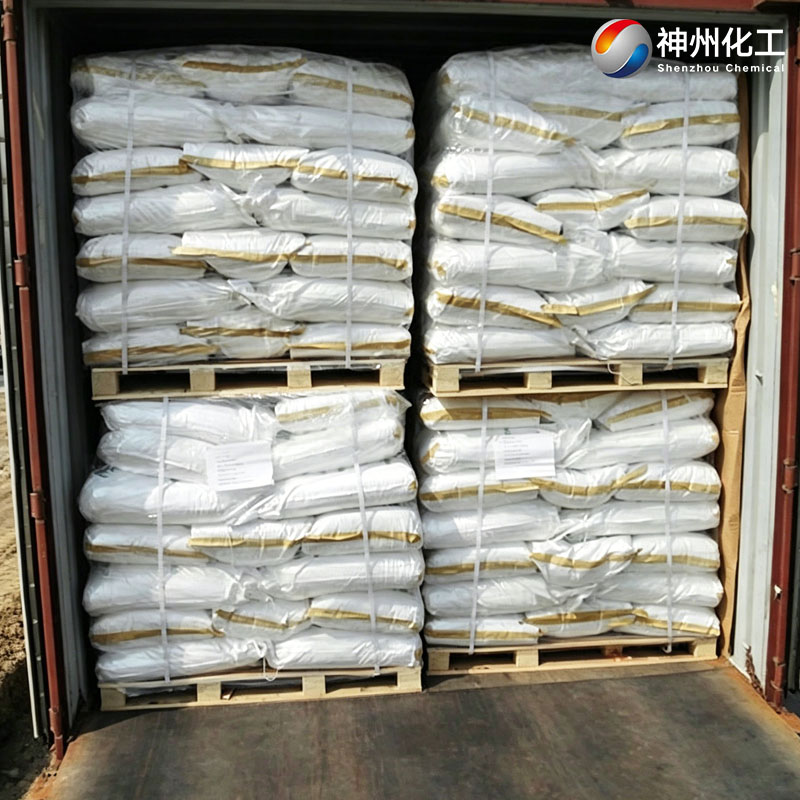
MOQ (Minimum Order Quantity): 1 FCL (Full Container Load)
Sodium alginate CAS#9005-38-3
Sodium alginate (chemical formula: CHONa), primarily made up of alginate sodium salt, is a polysaccharide-based biopolymer. It boasts several key properties, including abundant raw material sources, non-toxicity, easy degradability, and good biocompatibility.Thanks to these favorable traits, sodium alginate holds significant application value across a range of industries. These industries include medicine, food production, packaging, textiles, and biomaterials development.
Sodium alginate Chemical Properties
Melting point | 99 °C |
density | 1.0 g/cm3(Temp: 25 °C) |
FEMA | 2014 | ALGIN (LAMINARIA SPP. AND OTHER KELPS) |
storage temp. | 2-8°C |
solubility | Slowly soluble in water forming a viscous, colloidal solution, practically insoluble in ethanol (96 per cent). |
form | |
color | White to Off-white |
Odor | odorless |
PH | 6.0-8.0 (10mg/mL in H2O) |
biological source | synthetic |
Water Solubility | Soluble in water. Insoluble in alcohol, chloroform and ether. |
Sensitive | Hygroscopic |
Merck | 14,241 |
Stability: | Stable. Incompatible with strong acids, strong bases, strong oxidizing agents. |
LogP | -2.88 |
CAS DataBase Reference | 9005-38-3(CAS DataBase Reference) |
EPA Substance Registry System | Sodium alginate (9005-38-3) |
Safety Information
Hazard Codes | Xi |
Risk Statements | 36/37/38 |
Safety Statements | 24/25-36-26 |
WGK Germany | 1 |
RTECS | AZ5820000 |
F | 3 |
TSCA | Yes |
HS Code | 39131000 |
Hazardous Substances Data | 9005-38-3(Hazardous Substances Data) |
Toxicity | LD50 oral in rat: > 5gm/kg |
Sodium alginate CAS#9005-38-3 Application
Sodium alginate is a type of gum derived from alginic acid—itself extracted from seaweed—and exists as the sodium salt form of this acid.
It has two key physical properties: first, it dissolves in both cold and hot water, and can create solutions with varying levels of viscosity; second, it forms irreversible gels when combined with calcium salts or acids.Its functional uses span multiple fields:
Food industry: Acts as a thickener, binder, and gelling agent, used in dessert gels, puddings, sauces, toppings, and edible films. In ice cream production, it works as a stabilizing colloid—this ensures the ice cream has a creamy texture and prevents ice crystals from forming.
Industrial sector: Applied in drilling muds and coatings; used to flocculate solids during water treatment; serves as a sizing agent, emulsion stabilizer, and suspending agent (e.g., in soft drinks); and is an ingredient in dental impression materials.
Pharmaceutical field: Functions as a pharmaceutical aid, specifically as a suspending agent.
Factory Show
As an ISO-certified chemical exporter with 15 years of professional experience, we leverage leading production technology, advanced equipment, and a professional team to provide high-quality chemical raw materials to over 2,000 companies worldwide. Our products are widely used in pharmaceuticals, agriculture, food manufacturing, and industrial production, with business spanning six continents. We are committed to providing reliable supply chain support and solutions to customers across various industries.

Fast delivery time
Inventory 2-3 working days New production 7-10 working days